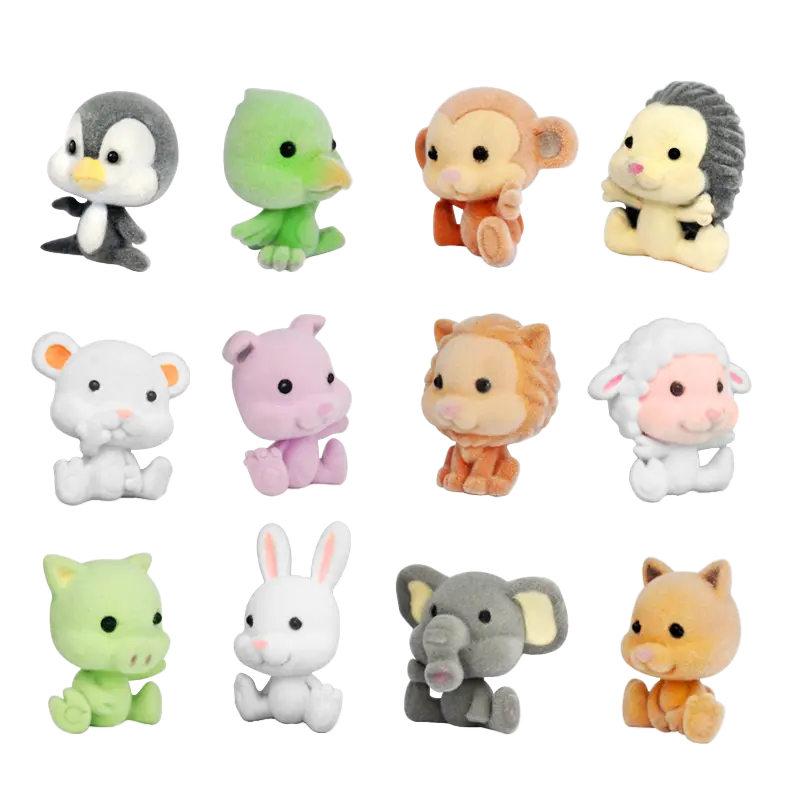
Flocking adds a unique texture and visual charm to otherwise solid, plastic toys. Whether it’s a collectible elf, animal figure, or stylized mini character, flocked toys have a distinct appeal that blends color with tactile finish. In this article, we’ll explore the world of flocked toy manufacturing—from how it’s done to how brands can customize it through reliable OEM and ODM services, like Weijun Toys.
What Is Flocking in Toy Manufacturing?
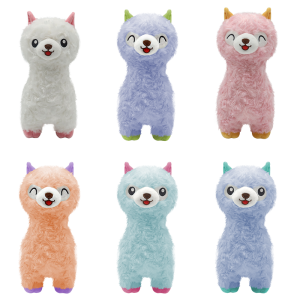
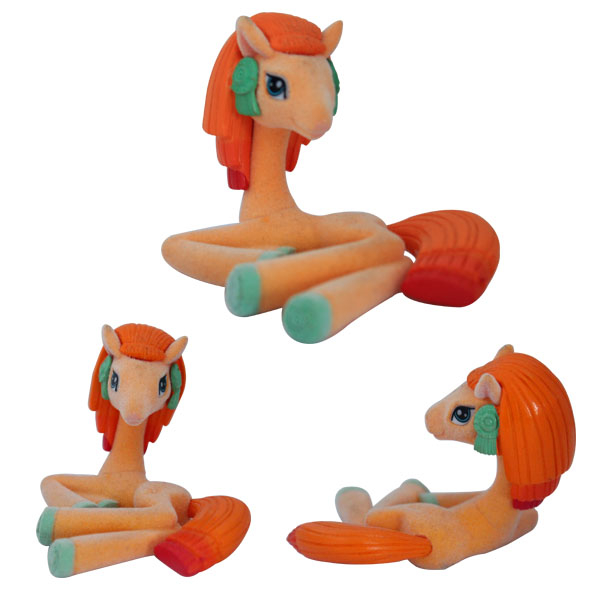
Flocking is a process where short, fine fibers are applied to the surface of a toy figure to create a soft-looking, velvet-like finish. It doesn’t change the structure of the toy—your figure remains hard and solid—but it enhances the surface with texture and depth.
Benefits of Flocking Finish
Quite a lot of people love flocked toys because of:
- The enhanced appearance: Adds richness, matte color, and visual warmth.
- The tactile texture: Gives a soft-feeling surface despite the toy being made of hard plastic.
- The premium touch: Makes the figure stand out from fully painted or plain plastic products.
Popular Flocked Toy Types
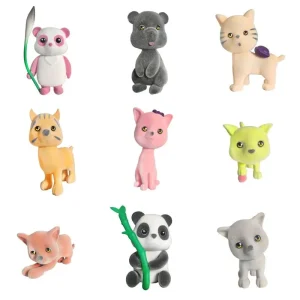
- Miniature animal figures
- Collectible holiday figures (like flocked elves or reindeer)
- Cartoon or anime-style vinyl figures
- Gift-ready designs with a stylized, premium finish
Materials Used in Flocked Toys
The materials used in toy flocking include the base, the flocking fibers, and the adhesives.
Toy Base Materials
The foundation of any flocked toy is its solid base, usually made from durable plastics chosen for their strength, detail retention, and suitability for flocking.
- PVC (Polyvinyl Chloride): This is the most commonly used material for flocked toys. PVC figures are usually tough and resilient, ideal for collecting. PVC also captures fine sculptural details beautifully, allowing intricate designs to shine through beneath the flocked surface.
- ABS (Acrylonitrile Butadiene Styrene): Known for its rigidity and impact resistance, ABS is frequently used in toys that require articulation or joints. Its strength ensures that moving parts stay sturdy, while still providing a smooth surface for the adhesive and fibers to bond during flocking.
- Vinyl: Vinyl is a versatile plastic favored for larger toy designs or stylized figures. It offers flexibility in shape and size, making it perfect for characters that require unique proportions or softer edges, while still being compatible with the flocking process.
Read more about plastics in toy manufacturing >>
Flocking Fibers
The fuzzy layer that gives flocked toys their signature texture is made of short fibers applied to the surface. Different materials are used to achieve different visual and tactile effects:
- Nylon: A popular choice for its smooth, matte finish. Nylon fibers create a refined look and feel, making the toy appear soft while maintaining a clean, elegant texture.
- Rayon: Known for its soft touch and subtle shine. Rayon fibers reflect light slightly, giving the toy a livelier, richer appearance—perfect for making colors pop.
- Polyester: Durable and cost-effective, polyester fibers are available in a wide range of colors. While not as soft as nylon or rayon, they offer good performance at a competitive price point.
- PVC (Polyvinyl Chloride): PVC fibers are sometimes used for specific visual or durability needs. They offer strong color retention and extra resistance to wear, making them suitable for flocked toys designed for frequent handling or display.
Each fiber type brings its own benefits, and manufacturers often choose based on the desired look, feel, and usage of the final product.
Adhesives
The success of the flocking finish relies heavily on the adhesive used. It must securely bond the fibers to the plastic surface without damaging the base material.
Adhesives used in flocked toy manufacturing are carefully selected to be non-toxic and safe for both children and adults.
They need to provide a strong, lasting bond that withstands handling and wear over time.
Compatibility with the plastic surface is crucial to prevent peeling or flaking.
Depending on the production needs, manufacturers use either water-based adhesives, which are environmentally friendly and easier to work with, or solvent-based adhesives, which offer faster drying times and stronger bonding for certain applications.
How to Make Flocked Toys
Flocking isn’t a simple surface decoration—it’s a multi-step process that requires careful coordination between materials, adhesives, and equipment.
Now let’s look at the step-by-step process of flocked toy manufacturing.
Step 1. Injection Molding of the Base Toy
Every flocked toy starts with a solid, durable core. This base figure is created using injection molding, where plastic materials like PVC, ABS, or vinyl are melted and injected into steel molds. Once cooled and released, these parts form the body, head, limbs, or other components of the toy.
After molding, each piece is carefully trimmed and cleaned to remove any leftover edges or imperfections before the flocking process begins.
Step 2. Surface Preparation
To get the best flocking results, the toy’s surface must be smooth, clean, and dust-free. This helps the adhesive stick properly and ensures a neat, even finish.
In some cases, a primer or base coat is applied to the figure. This extra step improves adhesion and enhances the final look of the fibers, especially if the toy has a dark or uneven color base.
Step 3. Glue Application
Next, a special flocking adhesive is applied to the areas of the toy that will be covered in fibers. The glue can be sprayed, brushed, or screen-printed, depending on the design and how precise the flocking needs to be.
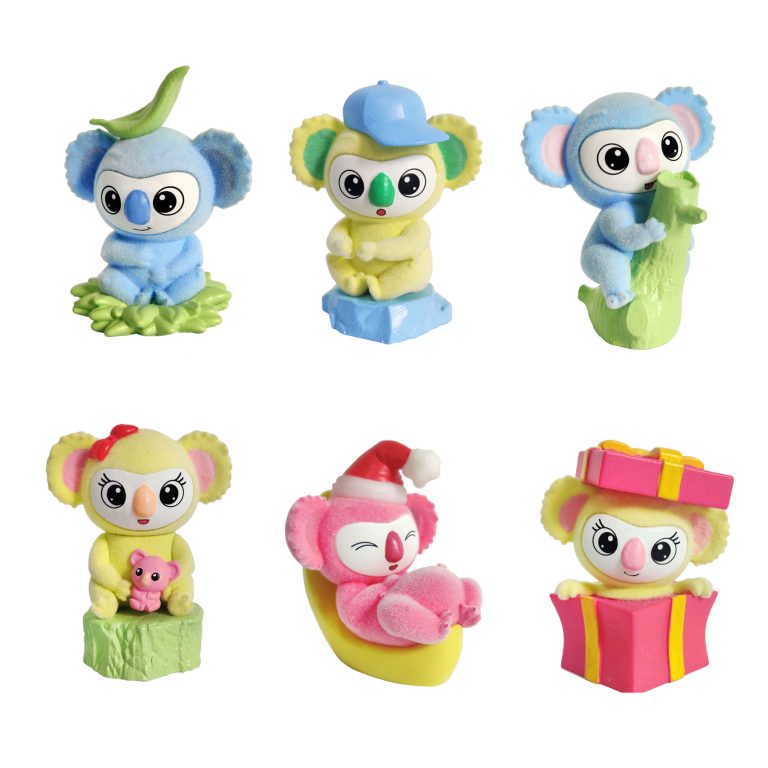
In some designs, only specific areas—like ears, hats, or coats—are flocked. This means glue is applied only to those parts, creating contrast between flocked and smooth surfaces.
Step 4. Flocking Process
Here’s where the magic happens. The toy parts go through a flocking machine—usually using electrostatic technology. Tiny fibers (often nylon, rayon, or even PVC) are launched toward the glued surface.
Thanks to the electrostatic charge, each fiber stands upright as it lands, sticking into the glue evenly. This creates the soft, velvety look that flocked toys are known for.
Step 5. Drying and Curing
Once flocking is complete, the toys go through a drying process. Depending on the glue and materials used, this may involve air drying or heat curing in an oven.
After drying, any loose or excess fibers are removed using air blowers, vacuums, or soft brushes to reveal a clean, plush finish.
Step 6. Quality Inspection
Each toy is inspected to ensure the flocking is smooth, full, and evenly applied. Workers look for bald spots, fiber clumping, or any areas where the flock didn’t adhere properly.
Final figures are neatly trimmed, touched up if needed, and cleaned before being packed for shipment.

How to Choose a Trusted Flocked Toy Manufacturer
Not all toy factories are equipped to handle flocking. A reliable manufacturer should have both technical expertise and quality control measures.
- Key Qualities to Look For:
Experience with electrostatic flocking - Consistent surface finish and color quality
- Compliance with international toy safety standards (EN71, ASTM F963, etc.)
- Ability to provide custom mold, sculpt, and flock services
- In-house design and engineering support
Weijun Toys: Custom Flocked Toy Manufacturer
Flocked toys can be fully customized to reflect your brand identity or seasonal product lines. At Weijun Toys, we offer OEM/ODM flocking services for toy brands, retailers, gift companies, and promotional campaigns.
Custom Options Include:
- Custom flock colors to match your branding
- Partial or full-surface flocking (e.g. flocked clothing, fur, or accessories)
- Printed or themed packaging
- Seasonal or limited-edition designs
Weijun Toys can make:
- Flocked Animal Toys
Adds realism and texture to cats, dogs, bears, or safari animals. - Holiday & Seasonal Toys
Christmas elves, Valentine’s Day hearts, Easter bunnies—flocking adds that festive look. - Licensed or Character Figures
Flocked elements like hair, hats, or capes make your character stand out. - Capsule & Blind Box Toys
Eye-catching surface texture makes small toys more desirable and gift-worthy.
Weijun Toys: Your Trusted Custom Toy Manufacturer
 2 Modern Factories 30 Years of Toy Manufacturing Expertise 200+ Cutting-Edge Machines Plus 3 Well-Equipped Testing Laboratories 560+ Skilled Workers, Engineers, Designers, and Marketing Professionals One-Stop Customization Solutions Quality Assurance: Able to Pass EN71-1,-2,-3 and More Tests Competitive Prices and On-Time Delivery






Trends in Flocked Toys
Flocking continues to be a go-to technique for brands looking to add a premium finish to plastic figures. Here are a few emerging trends:
- Limited-edition collectibles with flocked finishes for exclusivity
- Seasonal color variations using flocked elements
- Combining flocking with glow-in-the-dark, glitter, or translucent effects
- Eco-conscious flocking using water-based adhesives and recyclable packaging
Final Thoughts
Flocking brings an extra dimension to toy figures without changing their core structure. It’s ideal for brands that want their toys to stand out in texture, appearance, and market value.
Whether you’re creating a line of stylized animals, themed holiday gifts, or collectible figures, flocked toys offer a simple yet powerful upgrade. With Weijun Toys as your manufacturing partner, you can customize every detail—from material to color to packaging—and produce with confidence at scale.