If you’re a startup founder, indie toy designer, or entrepreneur stepping into the toy business, you’ve probably heard the term MOQ: Minimum Order Quantity. It’s one of the most important (and sometimes confusing) aspects of manufacturing. And when it comes to producing toys, like action figures, blind boxes, or vinyl collectibles, MOQ directly impacts your cost structure, pricing, and even the success of your first product run.
In this post, we’ll break down what MOQ means, why it matters so much in toy production, and how small brands can approach it wisely. Whether you’re launching your first Kickstarter or exploring OEM/ODM production, this guide will give you clarity.
What Is MOQ in Toy Manufacturing?
OQ stands for Minimum Order Quantity, which is the smallest number of units a manufacturer is willing to produce in a single production run. For toy production, MOQ can vary depending on the type of toy, materials used, and complexity.
It’s not an arbitrary number. It’s closely tied to how production works behind the scenes, especially for molded plastic toys or figures.
Why Does MOQ Exist?
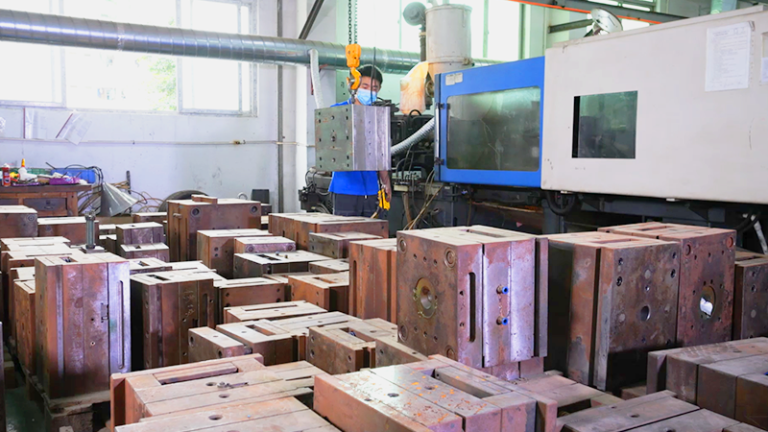
Toy production involves several fixed costs, regardless of how many units you order. These include:
- Mold creation (tooling)
- Prototype development
- Material preparation and setup
- Painting and decoration processes
- Custom packaging setup
- Quality checks and testing
These steps don’t get cheaper just because you want fewer toys. In fact, producing a low volume still requires the same setup labor and equipment, making small orders inefficient for the factory and expensive for you.
The Real Impact of MOQ: Cost Per Unit
The most direct impact of MOQ is on your cost per unit. The lower the quantity, the higher the cost per toy. Here’s a simplified example (for illustration only):
| Quantity | Mold Cost | Production Cost per Unit | Total Cost | Cost per Unit (including mold) |
|---|---|---|---|---|
| 500 | $4,000 | $2.00 | $5,000 | $10.00 |
| 5,000 | $4,000 | $1.20 | $10,000 | $2.00 |
| 10,000 | $4,000 | $1.00 | $14,000 | $1.40 |
As you can see, spreading the mold cost across more units drastically reduces your per-unit cost. This is one of the biggest challenges for startup brands: wanting a small batch to test the market, but facing high per-unit costs that make retail pricing unworkable.
Common MOQ Ranges by Toy Type
MOQ can vary significantly depending on the type of toy you’re producing. Here’s a general guide to help you understand what to expect:
| Toy Type | Typical MOQ Volume |
|---|---|
| PVC action figures | Medium to large MOQ |
| Blind boxes | Large MOQ |
| Vinyl toys | Small to medium MOQ |
| Plush toys | Low to medium MOQ |
| Electronic toys | Very large MOQ |
Each category has its own production setup and material requirements, which affect the minimum volume needed. For example, electronic toys require complex assembly and components, so manufacturers usually need a higher commitment. In contrast, plush toys are generally more flexible for small runs.
How to Navigate MOQ as a Startup
If you’re a small brand or solo creator, don’t be discouraged. Here are some strategies to work with or around MOQ:
1. Plan for a Larger First Run (if feasible)
If you’re confident in your product and audience, producing a larger batch helps lower your cost per unit and gives you more margin.
2. Use Crowdfunding to Validate Demand
Platforms like Kickstarter are great for gauging interest and securing pre-orders to justify a higher MOQ.
3. Partner with a Manufacturer Offering ODM Services
ODM (Original Design Manufacturer) options let you customize existing toy models without paying for new molds. It’s ideal for smaller quantities.
4. Negotiate with Transparency
Explain your goals and budget to your manufacturer. Some are open to negotiating MOQ for long-term relationships or prototype orders.
5. Start with One SKU
Instead of launching a full lineup (e.g. a 12-character blind box series), start with one or two designs to minimize risk and MOQ impact.
Weijun Toys: Your Trusted Toy Manufacturer
 2 Modern Factories 30 Years of Toy Manufacturing Expertise 200+ Cutting-Edge Machines Plus 3 Well-Equipped Testing Laboratories 560+ Skilled Workers, Engineers, Designers, and Marketing Professionals One-Stop Customization Solutions Quality Assurance: Able to Pass EN71-1,-2,-3 and More Tests Competitive Prices and On-Time Delivery


MOQ and Toy Pricing: What Startups Must Understand
Pricing your toy correctly means factoring in:
- Production cost (based on MOQ)
- Shipping and import duties
- Packaging
- Marketing and retail margin
If your cost per unit is too high due to a small MOQ, your retail price may become uncompetitive, especially in mass market or online channels.
Example:
If your unit cost is $7 and you sell for $15, you’re squeezed on profit after shipping, ads, and wholesale markup. But if you can get the unit cost down to $2.50 with a larger MOQ, that gives you more breathing room.
When MOQ Is Actually a Good Thing
While it may feel like a barrier, MOQ can also:
- Push you to validate your idea thoroughly
- Encourage smarter product planning
- Force you to think about long-term inventory and marketing strategy
Plus, high MOQ usually comes with lower unit costs, better packaging options, and priority in factory scheduling.
Final Thoughts
MOQ is one of the most important concepts to understand in toy manufacturing. It’s not just a factory requirement. It’s a key part of your pricing, margin, and business strategy.
At Weijun Toys, we work with both large brands and small startups, and we’re always happy to explain how MOQ fits into your production journey. Whether you’re launching a new action figure or building a blind box brand, understanding MOQ early can save you time, money, and headaches down the road.