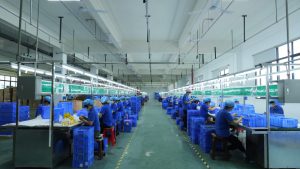
If you’ve ever had a great toy idea—whether it’s a quirky blind box figure, a plush mascot, or a full-fledged action figure line—you’ve likely hit the same wall as many others: How do I actually get this made?
It’s one thing to sketch a character or create a 3D model. But turning that into a real toy, one you can hold, sell, and distribute, requires finding the right toy manufacturer. And that process can feel overwhelming, especially if you’ve never done it before.
Don’t worry. In this guide, we’ll walk you through how to find a manufacturer to produce toys, what to look for, and how to set yourself up for success—whether you’re a solo creator, a toy startup, or a brand expanding into custom merchandise.
Step 1: Define Your Toy Clearly
Before you contact any factories, get specific about what you want to make. Manufacturers need detailed information to assess feasibility, costs, and timelines. You don’t need everything figured out, but the more clarity you bring, the better the collaboration will be.
Ask yourself:
- What type of toy is it? (Plush, vinyl figure, blind box, action figure, etc.)
- What size and dimensions?
- What materials should it be made from?
- Is it for kids or adults?
- Does it need to meet any safety standards or certifications?
- Will it require custom packaging?
Even a basic sketch, mood board, or sample reference will help. If you have a 3D file or prototype—even better.
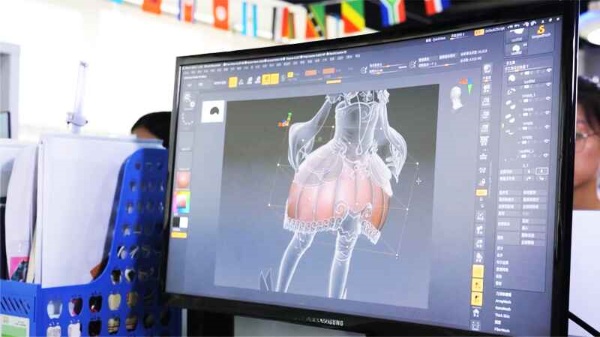
Step 2: Decide Where to Manufacture
Most custom toy manufacturing happens in Asia, especially in China, Vietnam, and India. China remains the most dominant hub, with decades of experience, advanced production capabilities, and a large supplier ecosystem.
Here’s a quick breakdown of options:
- China: Great for a wide range of toys (plush, vinyl, PVC, blind boxes). Most global toy brands manufacture here due to cost-efficiency and technical skill.
- Vietnam & India: Growing as alternative sources for simpler plush and textile toys, with lower labor costs but sometimes fewer advanced capabilities.
- Local options (US/EU): Higher cost, but lower shipping and shorter lead times. Often not ideal for high-volume production.
If you’re planning a small test run or a Kickstarter campaign, Asian manufacturers with low MOQs (minimum order quantities) and strong communication channels are often your best bet.
Step 3: Start Searching for Toy Manufacturers
Once you’ve defined your toy and chosen a manufacturing region, it’s time to search for manufacturers. There are several ways to do this:
Online Directories & Marketplaces:
- Alibaba / Made-in-China / Global Sources: Search for terms like “custom toy manufacturer,” “plush toy factory,” or “OEM vinyl toy.”
- Review company profiles, years in business, certifications (like ISO, Disney FAMA, etc.), and product photos.
Search Engines:
- Google terms like “OEM toy manufacturer in China” or “custom action figure factory.”
- Explore websites and check if they showcase capabilities, past work, client testimonials, and contact details.
Industry Forums & Communities:
- Reddit, Discord servers, and creator groups often share recommendations.
- Sites like Quora or Medium may include articles with factory suggestions or firsthand experience.
Trade Shows:
- If possible, attend toy-related expos like the Canton Fair, Hong Kong Toys & Games Fair, or Spielwarenmesse (Germany).
- You can meet manufacturers directly and compare capabilities.
Weijun Toys: Your Trusted Toy Manufacturer
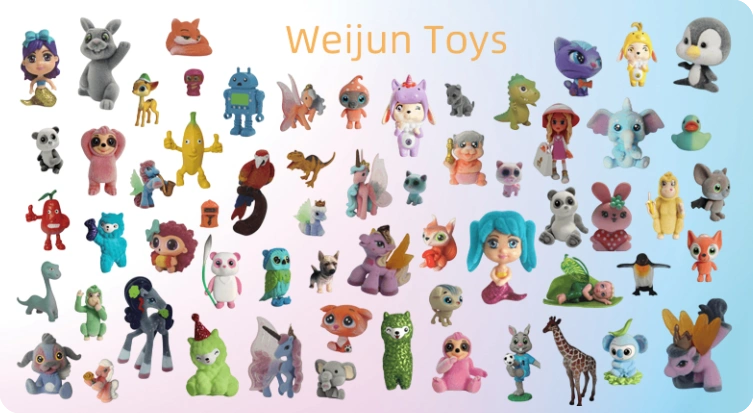
 2 Modern Factories 30 Years of Toy Manufacturing Expertise 200+ Cutting-Edge Machines Plus 3 Well-Equipped Testing Laboratories 560+ Skilled Workers, Engineers, Designers, and Marketing Professionals One-Stop Customization Solutions Quality Assurance: Able to Pass EN71-1,-2,-3 and More Tests Competitive Prices and On-Time Delivery


Step 4: Shortlist and Reach Out
Once you have a list of potential manufacturers, narrow it down by asking:
- Do they specialize in your type of toy?
- Do they offer OEM (your design) or ODM (their design, rebranded) services?
- Do they provide in-house prototyping, mold making, and packaging?
- What’s their typical MOQ, and does it work for your budget?
Reach out with a short and clear inquiry. Include:
- A brief intro about you or your company
- A description of the toy you want to make
- Estimated quantity
- Any sketches, drawings, or product references
- Timeline goals (prototype date, production launch, etc.)
This helps manufacturers respond with accurate quotes and feasibility checks.
Step 5: Evaluate Responses Carefully
When manufacturers reply, here’s what you want to assess:
Communication
- Are they clear, timely, and professional?
- Do they ask thoughtful questions about your toy?
Capabilities
- Can they make your toy the way you envision it (e.g., movable joints, custom painting, sound chips)?
- Can they do packaging in-house or will you need a separate supplier?
Pricing & MOQ
- Is their quote transparent?
- What’s the mold/tooling fee (if applicable)?
- What’s the per-unit cost at different volumes?
Timelines
- How long does sampling take?
- What’s the estimated production lead time?
If you’re new to this, consider starting with a sample order or prototype stage only before committing to full production.
Step 6: Ask About Quality Control and Certifications
Especially if your toy is for children or will be sold in regulated markets like the U.S., Canada, or the EU, your manufacturer must follow specific safety and quality standards.
Key certifications include:
- CPSIA (US)
- ASTM F963 (US)
- EN71 (EU)
- REACH (EU)
- ISO 9001 (quality management systems)
You can also ask whether the factory performs:
- In-line inspections during production
- Final product testing
- Third-party lab testing for compliance
Step 7: Visit (If You Can) or Request Factory Media
If your project is large or long-term, visiting the factory can be incredibly helpful. You’ll gain firsthand insight into their team, equipment, and quality controls.
If a visit isn’t possible, ask for:
- Photos or videos of their facility
- Samples of similar past products
- A virtual video call with their project manager or engineer
- A trustworthy manufacturer will be open to sharing these.
Bonus: Consider Working with an Established Partner
Some toy manufacturers work with both small brands and large licensors, giving them the flexibility to support early-stage ideas while maintaining high standards. For instance, companies like Weijun Toys have years of experience producing toys for global clients—offering OEM/ODM services for vinyl figures, plush toys, blind boxes, and more.
They’re one of many examples of manufacturers that support both creative freedom and manufacturing expertise.
Final Thoughts
Finding a manufacturer to produce toys isn’t something you’ll do overnight—but it’s absolutely achievable with the right approach. Do your research, ask detailed questions, and start with a manageable first order. The right manufacturing partner will not only bring your idea to life, but also support you in scaling it into a successful product.
So whether you’re building your own character brand, launching a toy line on Kickstarter, or creating promotional gifts for your business, start exploring—and don’t be afraid to ask questions along the way.
Have a toy idea and wondering if it’s manufacturable? Feel free to reach out or explore more about how toy production works—we’re always happy to share what we’ve learned from years in the industry.