Whether you’re designing custom plush toys, sourcing bulk materials, or comparing samples for your next product line, knowing how to identify high-quality plush fabric is essential. The softness and durability of your plush toy depend heavily on the fabric’s texture, construction, and finishing.
In this guide, we’ll explore the key traits that define premium plush fabrics—and how to spot them like a pro.
Why Fabric Quality Matters in Plush Toys
For manufacturers, wholesalers, and toy brands, the fabric isn’t just about feel—it’s about function and brand reputation. A low-grade fabric can lead to pilling, shedding, deformation, or even safety issues. On the other hand, a top-tier plush fabric:
- Feels irresistibly soft and smooth to the touch
- Maintains its shape after repeated use
- Resists wear, fading, and shedding
- Passes safety and compliance standards
- Elevates the toy’s perceived value
Let’s break down how to evaluate these characteristics in detail.

1. Check the Surface Texture
The texture is the first thing people notice about a plush toy. A high-quality plush fabric should feel smooth, even, and luxuriously soft. Here’s what to look for:
- Uniform pile length: The fibers should be consistent in length and direction—no uneven patches.
- No shedding: Gently rub or pull at the surface. Quality plush fabric won’t release fibers easily.
- Low friction: The fabric should glide gently under your fingers, not feel sticky or rough.
Popular premium textures include:
- Minky plush: Dense, smooth, and silky
- Sherpa fleece: Soft with a curly pile
- Short pile velboa: Sleek and lightweight for smaller toys
2. Assess Fiber Density and Weight
The density of the fibers determines how full and rich the plush feels. Denser plush fabrics tend to be more durable and luxurious.
- Hold it up to light: A higher-density plush fabric won’t let much light through.
- Press and release: Quality fabrics bounce back quickly after compression.
- Compare weight: Heavier plush fabric typically indicates a thicker, denser weave.
3. Inspect the Backing Fabric
Flip the fabric over. The backing holds everything together and is a strong indicator of manufacturing quality.
- Look for a tightly woven or knitted base.
- Avoid loose threads or weak stitching.
- Stretch test: Gently tug to see if it holds firm or distorts easily.
A strong backing ensures the plush won’t deform or tear easily—especially important for toys that undergo squeezing, hugging, and pulling.
4. Feel the Stretch and Recovery
Some plush fabrics are designed to stretch slightly, but quality ones will recover their original shape well.
- Stretch diagonally (bias): It should give a little without warping.
- Let go: It should return to its original state with no sagging.
This trait is critical for plush toys with rounded or complex shapes.
5. Color and Dye Consistency
Color matters—both for aesthetics and durability.
- Even dyeing: Check for consistent color throughout, with no blotchy areas.
- Colorfastness: Rub with a damp white cloth to see if any color transfers.
- Fade resistance: If possible, compare with a sun-exposed swatch to test UV durability.
Poor dye quality can lead to fading or staining over time, which impacts product appeal and compliance.
6. Test for Pilling Resistance
Pilling happens when fibers break and tangle into small balls on the surface.
- Rub test: Lightly rub the fabric together—low-quality fabric pills easily.
- Check existing samples: High-quality plush fabrics will remain smooth even after repeated handling.
Pilling is a common complaint among consumers, so avoiding it enhances product satisfaction.
7. Ask for Certifications
A truly high-quality plush fabric should meet industry safety and compliance standards, especially if your toys are for children.
Look for certifications like:
- OEKO-TEX® Standard 100 (free from harmful substances)
- EN71 or ASTM F963 (toy safety standards)
- REACH compliance (EU chemical safety)
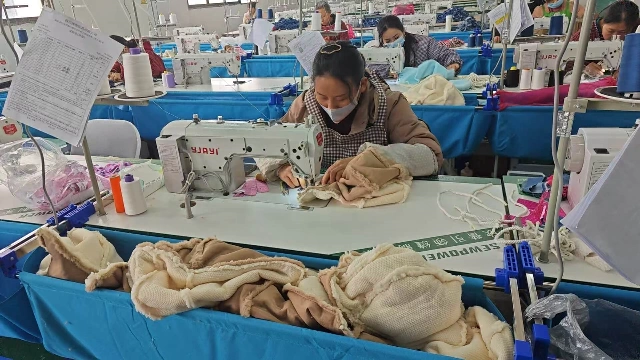
At Weijun Toys, every plush toy fabric we use is carefully tested in our in-house labs to meet international standards before going into production. Learn more about our plush toy manufacturing process or explore our range of plush toy materials.
8. Evaluate After Washing (If Applicable)
Plush toys are often washable. Test washability before finalizing fabric choice:
- Wash according to instructions
- Check for shrinkage, fading, or texture loss
See if seams or backing are affected
Weijun Toys: Your Trusted Toy Manufacturer
2 Modern Factories
30 Years of Toy Manufacturing Expertise
200+ Cutting-Edge Machines Plus 3 Well-Equipped Testing Laboratories
560+ Skilled Workers, Engineers, Designers, and Marketing Professionals
One-Stop Customization Solutions
Quality Assurance: Able to Pass EN71-1,-2,-3 and More Tests
Competitive Prices and On-Time Delivery
Final Tip: Work With a Trusted Plush Toy Manufacturer
The easiest way to ensure you’re using high-quality plush fabric? Partner with a reliable manufacturer who handles testing, sourcing, and quality control for you.
Weijun Toys is a trusted plush toy manufacturer with decades of experience in custom OEM and ODM toy production. From sourcing premium fabrics to in-house compliance testing, we help brands deliver plush toys that feel great, look fantastic, and meet international safety standards.
Whether you’re creating your own plush toy line or sourcing for promotional products, we’re here to help you choose the right fabric for your vision.