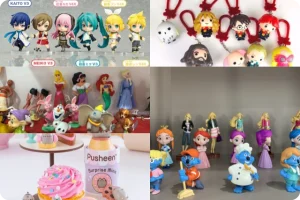
In the competitive world of toys, collectibles, and fandom merchandise, one strategy has stood out for its unique blend of mystery, excitement, and exclusivity—limited edition blind boxes.
From streetwear collaborations to art toy collectibles and major licensed brands, custom blind boxes, especially limited edition versions, have become a powerful tool for engaging fans and building buzz. Whether you’re a brand looking to stand out or a manufacturer exploring what’s trending, understanding the appeal and mechanics of limited blind box series is key.
In this post, we’ll dive deep into:
- What makes limited edition blind boxes so popular
- The psychology behind them
- Why they work for collectors and businesses
- And how brands can use them successfully
What Are Limited Edition Blind Boxes?
Blind boxes are collectible toys sold in packaging that conceals the specific item inside. A limited edition blind box adds another layer: scarcity.
Instead of mass production, these boxes:
- Feature rare characters, variants, or colorways
- Are produced in small runs (e.g., 300, 1,000, or even just 50 units)
- Often come with numbered editions, certificates, or holographic stickers
- Are sometimes released for a limited time or event only
For example, a blind box series might have 12 core characters—but also include 1 or 2 secret rares that appear in fewer than 1 out of 100 boxes.
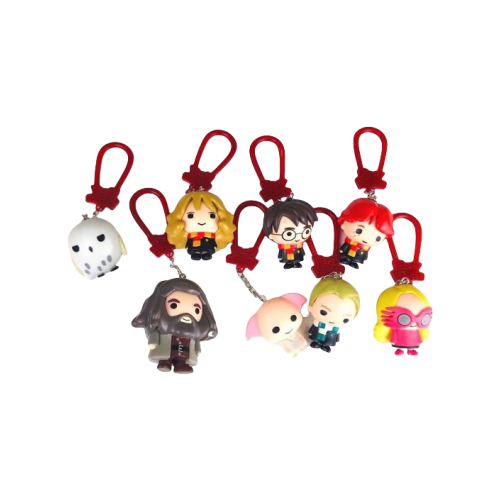
The Psychology Behind the Hype
Why are people willing to pay more—or line up overnight—for something they don’t even know they’ll get?
1. FOMO (Fear of Missing Out)
When people hear “limited,” it creates urgency. Fans rush to buy before it’s gone, boosting sales velocity.
2. Gacha & Surprise Effect
Borrowed from Japanese capsule toy culture, blind boxes tap into the same psychological reward system that makes gambling or gaming addicting. The unknown triggers curiosity and the dopamine release that comes with surprise.
3. Collectibility & Completionism
Collectors want the full set. Adding a super rare piece—even one—drives repeat purchases and aftermarket activity.
4. Bragging Rights
Unboxing a rare figure is like pulling a rare Pokémon card. Fans share it on TikTok, Instagram, or Reddit. This user-generated buzz helps the brand organically go viral.
Why Limited Edition Blind Boxes Work for Brands
Whether you’re a toy brand, game developer, anime studio, or artist collective, limited blind boxes offer powerful benefits:
- Create Scarcity & Boost Perceived Value
Scarcity naturally increases demand. Even simple PVC or vinyl figures become premium when limited.
- Build Hype with Pre-orders
Many limited series sell out in hours or days based on previews alone. You can use countdowns, influencer reviews, and teaser images to build anticipation.
- Drive Traffic to Retail or Online Storefronts
Exclusives encourage fans to visit your website, partner retailers, or events like Comic-Con. Once they’re there, they often buy more than just the blind box.
- Cultivate Brand Loyalty
Offering rare, high-quality items strengthens emotional ties. Fans feel like they’re part of a secret club.

Who Buys Limited Edition Blind Boxes?
You might think it’s only kids—but think again. The biggest audience for limited edition collectibles is often adults and teens, including:
- Collectors: Especially vinyl toy, designer toy, and figure fans
- Pop culture enthusiasts: Anime, video games, movies, K-pop, etc.
- Toy investors: Looking for resale value
- Influencers & unboxers: Creating content and buzz
- Retailers: Buying in bulk to resell at marked-up prices
In fact, the adult collectible toy market has grown rapidly in recent years—proving that nostalgia and rarity are strong emotional drivers.
How Brands Can Launch a Successful Limited Blind Box
If you’re considering creating a limited edition blind box series, here’s what you need to focus on:
1. Standout Design
Work with a designer or toy manufacturer that understands what makes figures collectible. Sculpted details, bold colors, and expressive poses go a long way.
2. Quality Materials
Use premium materials like vinyl or flocked plastic. Don’t compromise on packaging—it should feel like part of the collectible.
3. Transparent Rarity Tiers
Let buyers know the rarity of each piece. Example:
- Common (1/6 chance)
- Rare (1/18)
- Secret Super Rare (1/96)
This creates the “just one more try” mentality.
4. Clear Branding & Theming
Tie the blind box series to a strong story, character universe, or seasonal theme. Think: “Cyber Cats 2089” or “Frost Elf Holiday Collection.”
5. Limited Print Numbers
Cap the production and number each box or character card. This builds authenticity and long-term value.
6. Strategic Distribution
Release online or via selected channels. Or consider a time-limited drop—once it’s gone, it’s gone.
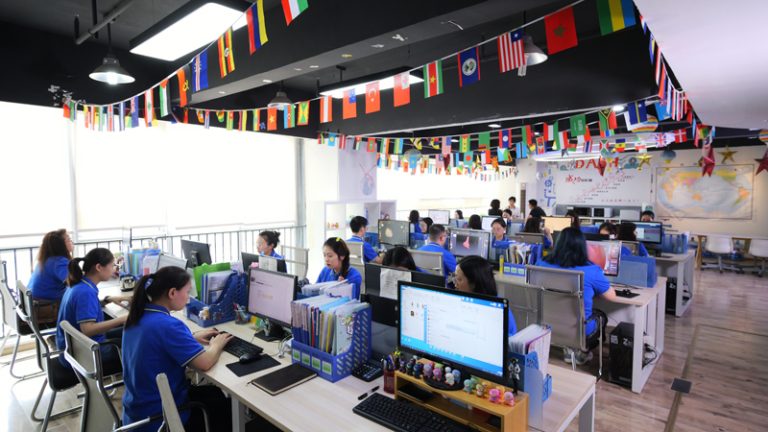
OEM/ODM Brands: Why Limited Blind Boxes Are a Great Idea
If you’re a business that wants to create your own limited blind box toys—Weijun Toys (or similar manufacturers) can help.
With OEM (Original Equipment Manufacturer) services, you can bring your own character IP and work with a factory to:
- Sculpt
- Prototype
- Paint
- Package
- And mass-produce a high-quality collectible
With ODM (Original Design Manufacturer) services, you can choose from a factory’s pre-made characters and branding ideas, then customize them to your brand.
This is perfect for:
- Anime or cartoon IP owners
- Fashion brands launching collectibles
- Game studios creating merch
- Influencer brands
- Retailers looking for exclusive seasonal products
Weijun Toys: Your Trusted Toy Manufacturer
 2 Modern Factories 30 Years of Toy Manufacturing Expertise 200+ Cutting-Edge Machines Plus 3 Well-Equipped Testing Laboratories 560+ Skilled Workers, Engineers, Designers, and Marketing Professionals One-Stop Customization Solutions Quality Assurance: Able to Pass EN71-1,-2,-3 and More Tests Competitive Prices and On-Time Delivery




What About Resale & Secondary Market?
Here’s where things get interesting.
Rare blind boxes that originally sell for $10–$20 can quickly hit $50–$200+ on platforms like:
- StockX
- eBay
- Mercari
- Facebook Collectibles Groups
This resale activity keeps the brand in conversations long after the original launch and builds “legend status” for your figures.
Some collectors even invest in blind boxes the way others invest in sneakers or NFTs.
Real-World Examples of Success
– Pop Mart (China)
Known for IPs like Molly and Skullpanda, Pop Mart built a billion-dollar empire on limited edition designer blind boxes, appealing mostly to young adults.
– Kidrobot (USA)
One of the pioneers in vinyl blind boxes, Kidrobot has used limited editions to maintain exclusivity and high demand in the designer toy market.
– Funko Mystery Minis
While mass-market, Funko occasionally releases limited blind boxes for events like SDCC—instantly turning them into collector gold.
Final Thoughts: Is It Worth It?
Yes—if done right.
Limited edition blind boxes aren’t just a gimmick. They’re a smart blend of art, psychology, and brand-building. When you combine solid design, intentional scarcity, and creative storytelling, the result is a collectible that fans will line up for—and treasure for years.
If your brand is looking to:
- Expand product lines
- Create new revenue streams
- Connect emotionally with fans
- Or experiment with collectible culture
Then limited edition blind boxes might be your next bold move.
Want to start your own blind box series? At Weijun Toys, we help brands, retailers, and creatives bring their custom blind box ideas to life—from concept to collectible. Reach out to explore your OEM or ODM options today.