Weijun Toy Co., Ltd. has factories in Dongguan and Sichuan, China

+86-28-2639 8888

Plush Toy Prototyping: What to Expect in the Sample Stage

So you’ve finalized your plush toy concept—and now it’s time to turn that idea into something real. But before full-scale production begins, there’s one critical step: prototyping.

Whether you’re working on an original mascot, a retail plush line, or a promotional toy, the sample stage is where creativity meets reality. It’s where you confirm that what looks good on paper actually works as a physical product.

If you’re partnering with a professional plush toy manufacturer, this is the stage where your design is transformed into a tangible sample—so you can test, refine, and approve it before mass production begins.

In this guide, we’ll explain what happens during the plush toy sample process, what you’ll receive, and how to make the most of this vital stage.

Why the Sample Stage Matters

A prototype (also called a plush toy sample) is your first physical version of the product. It allows you to:

  • Test proportions, materials, and construction
  • Check embroidery and printing accuracy
  • Evaluate stuffing, softness, and durability
  • Catch design issues before mass production
  • Align internal teams or partners on the final design

It’s your chance to perfect the plush before you commit to thousands of units.

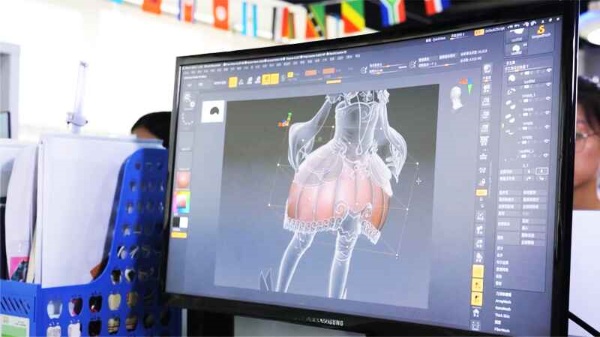
3D Mold Built process

What to Prepare Before Sampling

Before a manufacturer starts prototyping, you’ll need to provide:

  • Character sketch or reference images (front, side, and back views)
  • Color references (Pantone codes or fabric swatches)
  • Size and dimensions (in cm or inches)
  • Material preferences (e.g. minky, fleece, sherpa)
  • Details about eyes, nose, tags, clothes, or accessories
  • Desired packaging style (polybag, box, blind bag, etc.)

The more detailed your brief, the better your sample will reflect your vision.

What Happens During the Plush Toy Sample Stage

Here’s a typical sample workflow at a professional plush toy factory like Weijun Toys:

1. Internal Design Translation

The factory’s in-house team turns your 2D design into 3D production files. They map out embroidery positions, fabric cuts, seam placements, and filling amounts.

2. Fabric & Material Sourcing

They select matching fabrics from available swatches (or dye custom colors) and prepare other components like safety eyes, zippers, and stuffing.

minky plush

3. Sample Assembly

Experienced plush artisans hand-sew or partially machine-stitch the prototype, adding details like embroidery, screen printing, or clothes.

4. Quality & Visual Review

The sample is internally checked for accuracy, proportions, symmetry, softness, and function.

certificates

5. Sample Approval by Client

You receive photos or the physical sample (shipping fees may apply) and give feedback. You can approve it as-is or request changes.

What to Review in Your Plush Toy Sample

As you evaluate your prototype, consider the following checklist:

ElementWhat to Check
Overall ShapeIs it proportionate and close to your original design?
Fabric & ColorAre the textures and shades correct?
Embroidery/PrintingAre details like eyes, logos, or mouths clean and accurate?
Stitching QualityAre seams tight, secure, and even?
FillingIs the plush firm, soft, or weighted as expected?
AccessoriesIf your plush has clothes, props, or tags—do they fit and look right?
PackagingIf applicable, is the packaging style aligned with your vision?

How Many Sample Rounds Are Typical?

Most plush toy projects require 1–2 rounds of sampling:

  • First sample: Used to evaluate size, shape, and materials
  • Second sample (if needed): Tweaks made after initial feedback
  • Final approved sample: Used as the golden sample for mass production

Professional manufacturers are happy to revise samples to get the details right, but excessive changes may incur extra fees.

How Long Does Prototyping Take?

The typical plush toy sample timeline is around 2 to 4 weeks, depending on complexity, material availability, and revisions. If you’re working with a tight product launch date, be sure to factor this into your overall production timeline.

Cost of Plush Toy Sampling

Sampling is a separate cost from bulk production and usually includes:

  • Sample production fee
  • Material costs (especially for custom dye or rare fabrics)
  • Courier shipping for physical samples

Some factories may credit sample fees toward your bulk order once it goes into production. At Weijun Toys, we provide transparent sampling costs and flexible solutions for our B2B clients. If the order is confirmed, we  will fully return the sample fee. 

Weijun Toys: Your Trusted Toy Manufacturer

2 Modern Factories
30 Years of Toy Manufacturing Expertise
200+ Cutting-Edge Machines Plus 3 Well-Equipped Testing Laboratories
560+ Skilled Workers, Engineers, Designers, and Marketing Professionals
One-Stop Customization Solutions
Quality Assurance: Able to Pass EN71-1,-2,-3 and More Tests
Competitive Prices and On-Time Delivery

iso
walmart
target
BSCI
sedex
disney fama

Final Thoughts

The prototyping stage is your plush toy’s first big milestone—and one of the most important steps in getting your product made right. By working closely with your manufacturer and giving clear feedback, you’ll ensure the final plush looks, feels, and performs exactly the way your brand envisions.

At Weijun Toys, we help brands, creators, and businesses bring their plush ideas to life with precision and professionalism. From design to delivery, we support every step of the custom plush toy journey.

Request A Quote Now

Please enable JavaScript in your browser to complete this form.
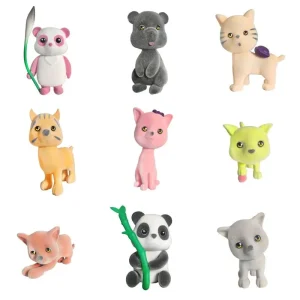
plush toy 3d prototyping
Scroll to Top
Request A Free Quote Now
Please enable JavaScript in your browser to complete this form.

We use cookies to make your experience better. By continuing to browse or clicking “Accept”, you agree to our cookie policy.