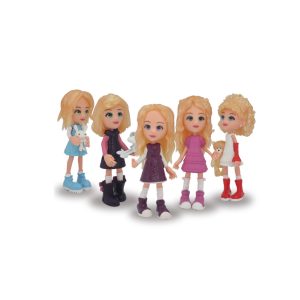
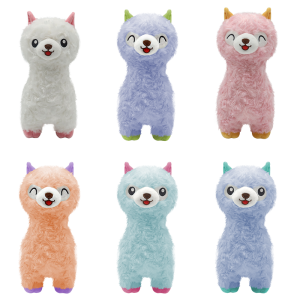
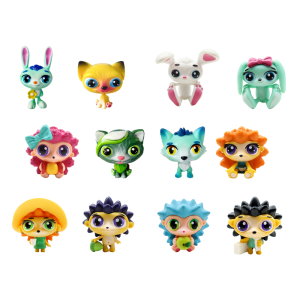
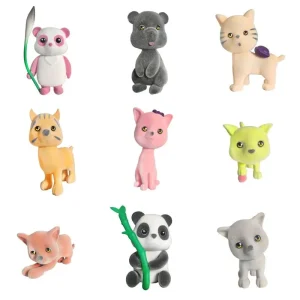
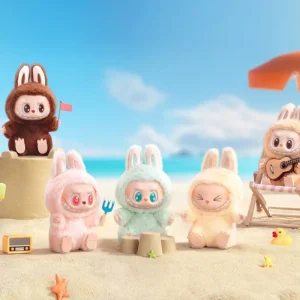
Blind boxes like Labubu have taken the collectible toy market by storm. Their surprise factor and character-driven design have fueled global demand, especially among younger audiences and adult collectors. But with millions of boxes produced worldwide, questions of sustainability and environmental impact are now rising.
For brands, retailers, and distributors, sustainability is more than a buzzword—it’s a business advantage. Could the next wave of blind boxes, inspired by Labubu, become leaders in eco-friendly design and production?
Why Sustainability Matters in Blind Boxes
- Rising consumer expectations – Gen Z and millennial buyers are more eco-conscious, and retailers increasingly prefer brands that align with these values.
- Volume-driven category – Blind boxes are sold in huge quantities. Even small changes in packaging or materials can reduce waste significantly.
- Global compliance – Many markets, especially in the EU, now enforce strict packaging waste and plastic reduction regulations.
Eco-Friendly Materials for Blind Boxes
Sustainability doesn’t mean sacrificing design or quality. Popular strategies include:
- Recycled Plastics – Figures can be produced with recycled PVC or ABS, reducing virgin plastic usage.
- Biodegradable Plastics – Emerging materials like PLA offer greener alternatives for specific product lines.
- Paper-Based Packaging – Replacing plastic film with recyclable cardboard or kraft paper enhances both aesthetics and eco credentials.
- Soy-Based Inks & Coatings – Safer for the environment, while still allowing for vibrant designs on packaging.

Lessons from Labubu Blind Boxes
Labubu’s success highlights how blind boxes thrive when they combine character storytelling with premium design. But if Labubu or similar IPs adopt eco-friendly materials, they could set new industry standards:
- Collector retention – Eco-friendly limited editions could enhance appeal, making sustainability part of the brand identity.
- Retailer partnerships – Major retailers are more likely to stock blind boxes that comply with sustainability initiatives.
- Brand positioning – Leading the eco trend strengthens long-term brand trust, especially in overseas markets.
Business Opportunities for Brands
For businesses exploring their own blind box collections, sustainability offers:
- Marketing Differentiation – Eco-friendly blind boxes stand out in a crowded market.
- CSR Integration – Companies can align products with corporate social responsibility goals.
- Global Market Access – Compliance with EU/US sustainability standards ensures smoother entry into new markets.
Weijun Toys: Your Trusted Toy Manufacturer
2 Modern Factories
30 Years of Toy Manufacturing Expertise
200+ Cutting-Edge Machines Plus 3 Well-Equipped Testing Laboratories
560+ Skilled Workers, Engineers, Designers, and Marketing Professionals
One-Stop Customization Solutions
Quality Assurance: Able to Pass EN71-1,-2,-3 and More Tests
Competitive Prices and On-Time Delivery
How Weijun Toys Supports Sustainable Blind Box Manufacturing
As a trusted blind box manufacturer, Weijun Toys provides OEM and ODM services that integrate sustainability from concept to production:
- Material Options – From recycled plastics to eco-packaging solutions.
- Compliance Expertise – Certified with ISO, EN71, ASTM, and other international standards.
- Scalable Production – Ability to deliver large volumes while maintaining eco-friendly practices.
- Custom Solutions – Tailored designs for brands that want to follow in Labubu’s footsteps with sustainable collectible lines.
Final Thoughts
Labubu blind boxes show the power of storytelling and collectability in the toy market. The next big leap is clear—sustainability. For brands and retailers, eco-friendly blind boxes aren’t just good for the planet—they’re good for business.
With Weijun Toys as your partner, you can create blind boxes that capture the excitement of Labubu while leading the eco-friendly trend in global markets.