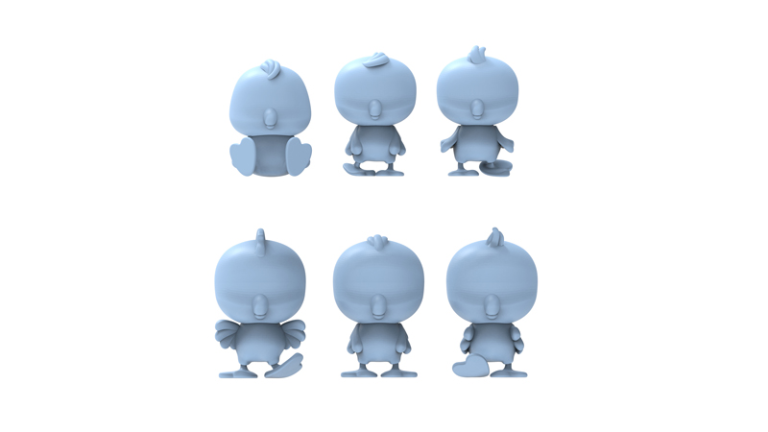
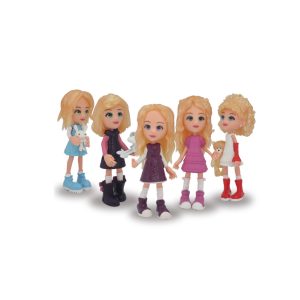
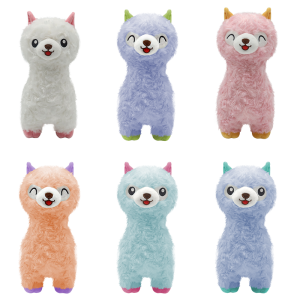
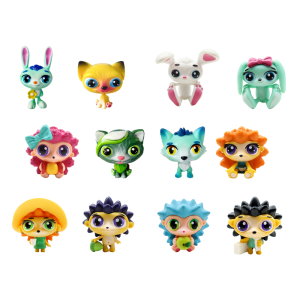
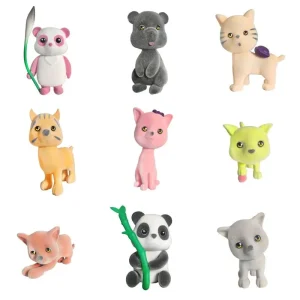
In today’s fast-paced toy industry, speed and precision are essential for turning creative concepts into market-ready products. One technology that has transformed the custom action figure manufacturing process is 3D printing. It has reshaped how prototypes are developed, tested, and refined — helping brands bring products to market faster than ever before.
Why Prototyping Matters in Action Figure Manufacturing
Before any action figure reaches mass production, it must go through a prototyping stage. This step:
- Brings a 2D design or sketch into physical form.
- Allows for functional testing of articulation, accessories, and durability.
- Provides a tangible sample for review and approval before tooling.
A well-executed prototype minimizes costly mistakes and ensures the final product matches the brand’s vision.
How 3D Printing Changed the Game
1. Faster Turnaround Times
Traditional prototyping methods, like hand-sculpting, can take weeks. 3D printing can produce highly detailed prototypes in just a few days, enabling:
- Quick iterations based on feedback.
- Rapid response to market trends.
- Shorter lead times from concept to approval.

2. High Precision & Detail
Modern 3D printers can create extremely fine surface details — essential for realistic facial features, intricate costumes, and small accessories. This level of accuracy is crucial for premium collectibles and licensed character figures.
3. Cost Efficiency
Creating traditional molds for early-stage prototypes can be expensive. 3D printing:
- Eliminates the need for early tooling costs.
- Allows for small-batch test runs.
- Reduces material waste compared to conventional methods.
4. Easy Customization
For brands producing multiple variants of a figure — such as alternate outfits, weapons, or poses — 3D printing makes customization faster and more affordable. Adjustments can be made digitally and reprinted without starting from scratch.
5. Improved Communication
With a 3D-printed prototype in hand, brand teams, licensors, and manufacturers can all evaluate the same tangible model. This reduces miscommunication and ensures everyone agrees on proportions, articulation, and overall design before mass production.
- Integrating 3D Printing Into the Prototyping Workflow
- While 3D printing is powerful, it’s often combined with traditional methods for the best results. A typical action figure prototyping process might include:
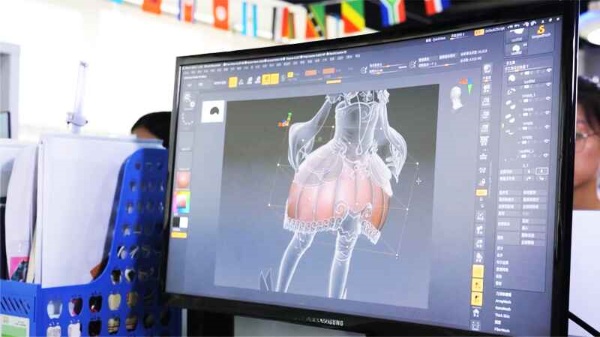
- Digital sculpting in CAD or 3D modeling software.
- 3D printing the initial prototype for size, shape, and detail checks.
- Hand-finishing for texture, joint adjustments, or fine detail refinement.
- Painting to match the final color scheme.
This hybrid approach ensures both speed and craftsmanship.
Weijun Toys: Your Trusted Toy Manufacturer
2 Modern Factories
30 Years of Toy Manufacturing Expertise
200+ Cutting-Edge Machines Plus 3 Well-Equipped Testing Laboratories
560+ Skilled Workers, Engineers, Designers, and Marketing Professionals
One-Stop Customization Solutions
Quality Assurance: Able to Pass EN71-1,-2,-3 and More Tests
Competitive Prices and On-Time Delivery
Why Manufacturer Expertise Still Matters
While 3D printing is an incredible tool, the technology is only as effective as the team using it. An experienced manufacturer will:
- Choose the right 3D printing materials for durability and accuracy.
- Ensure compatibility between prototype and final production molds.
- Balance speed with quality to meet both deadlines and design standards.
Final Thoughts
3D printing has revolutionized modern action figure prototyping, giving brands the flexibility to experiment, refine, and approve designs faster than ever. However, successful prototypes still depend on skilled craftsmanship, quality control, and manufacturing expertise.
If you’re looking for an OEM/ODM partner that combines cutting-edge 3D printing technology with decades of action figure manufacturing experience, Weijun Toys offers a complete solution from concept to final production.