In 2026, kids meal toys remain one of the most powerful promotional tools in the fast-food industry. While menus and pricing strategies evolve, the ability of a small collectible toy to drive foot traffic, increase brand engagement, and create long-term customer loyalty has not diminished. Major global chains continue to invest heavily in toy-driven campaigns, often partnering with well-known entertainment franchises or reviving nostalgic concepts to attract both children and adult collectors.
McDonald’s Kids Meal Toy
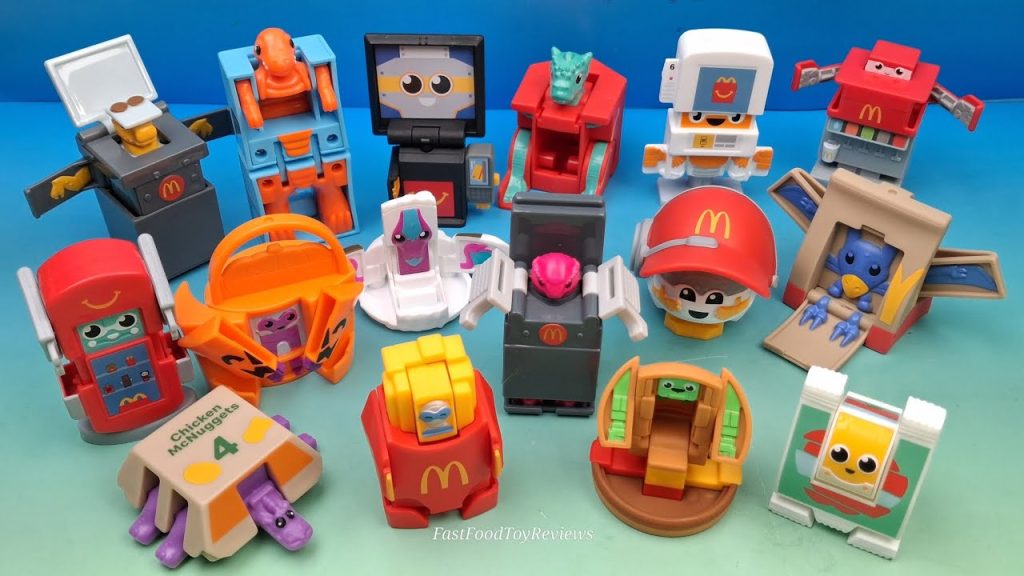
McDonald’s continues to lead the market with its iconic Happy Meal strategy, combining strong IP collaborations with nostalgia-driven campaigns. In 2026, one of its most notable promotions is the revival of the “Changeables” toy line, originally launched in the late 1980s. These transforming toys resemble menu items such as burgers or fries but convert into robots or creatures, blending playability with brand identity.
This campaign includes around 16 collectible figures, each with unique names and features, tapping into both childhood nostalgia and modern collectible culture. By reintroducing a legacy toy line, McDonald’s effectively engages millennial parents while simultaneously attracting younger audiences.
McDonald’s strategy in 2026 emphasizes:
- Nostalgia-driven product revival
- High collectability (multiple SKUs per campaign)
- Strong integration with brand elements
Burger King Kids Meal Toy
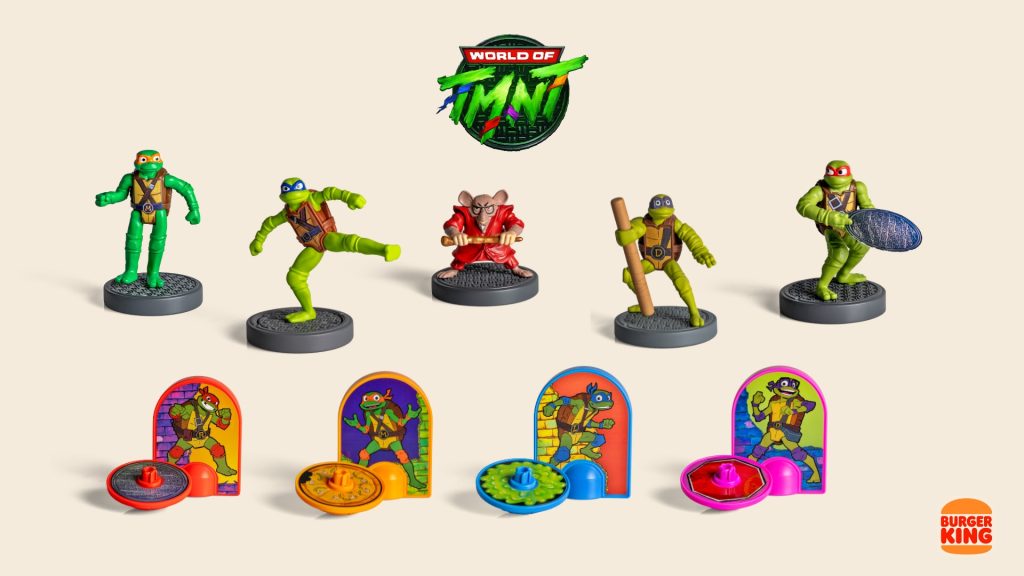
Burger King focuses heavily on licensed collaborations and multi-IP partnerships to drive engagement. In 2026, Burger King launched a Teenage Mutant Ninja Turtles promotion featuring nine collectible toys, including action figures and interactive spinning tops.
In addition, Burger King has expanded its strategy with broader collaborations, including multi-brand partnerships (e.g., Hasbro franchises like Transformers and My Little Pony), creating cross-generational appeal.
Key characteristics of Burger King’s toy strategy include:
- Strong reliance on popular entertainment IPs
- Interactive toy features (action elements, play functions)
- Multi-series collectible sets
This approach positions Burger King toys as both play items and collectible merchandise, enhancing perceived value.
Wendy’s Kids Meal Toy
Wendy’s differentiates itself by combining value-driven meals with creative and often educational or themed toys. In 2026, Wendy’s introduced a DC Universe collaboration, featuring 12 collectible mini figures of superheroes and villains such as Batman, Superman, and Wonder Woman.
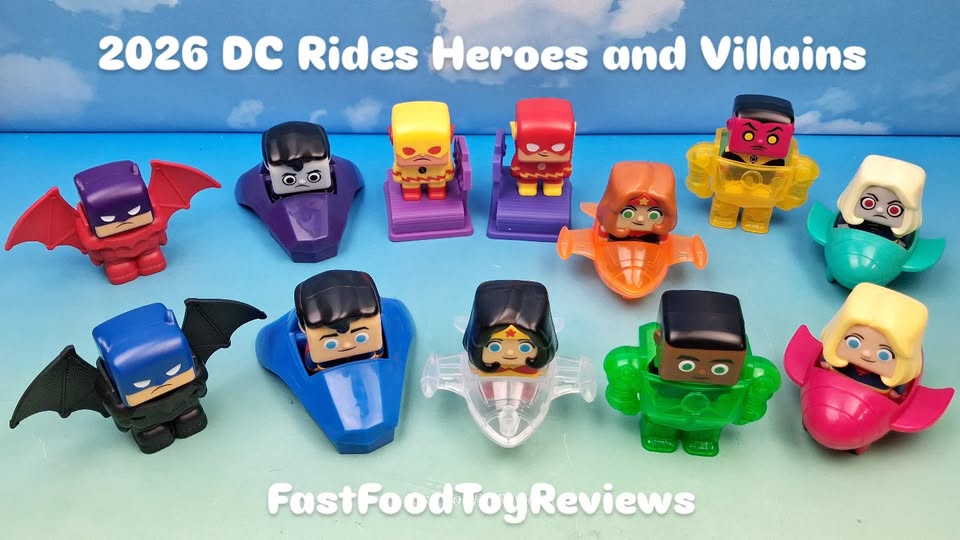
Historically, Wendy’s has also incorporated alternative formats such as books or activity-based items, appealing to younger children and parents seeking educational value.
Wendy’s toy strategy focuses on:
- Balanced cost and perceived value
- Licensed IP collaborations with strong storytelling
- Occasional educational or creative formats
This positioning makes Wendy’s particularly competitive in the value-conscious segment.
Sonic Kids Meal Toys
Sonic Drive-In has taken a more experimental and collectible-driven approach in recent years. In 2026, Sonic launched a Hello Kitty & Friends promotion, offering 12 collectible toys, including scented figures and color-changing items.
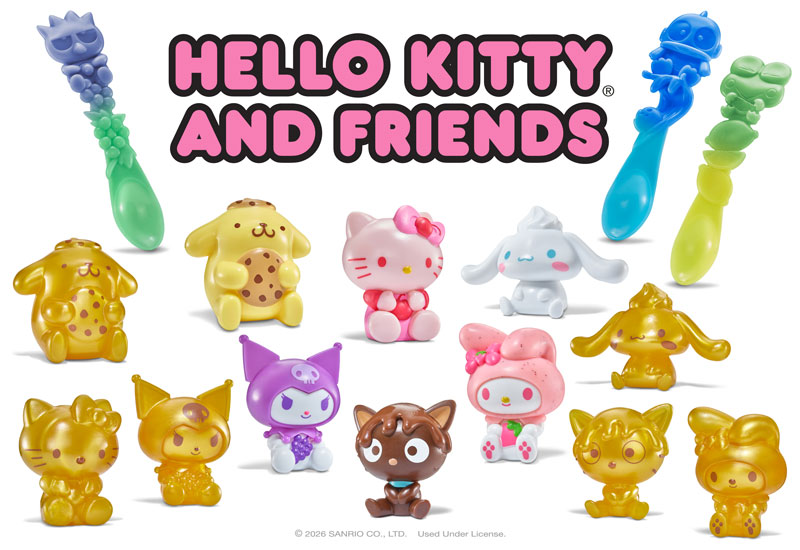
Sonic’s toy campaigns often stand out for their novelty features and sensory elements, which enhance playability and social media appeal. These toys are designed not only for children but also for collectors and fans of pop culture collaborations.
Key strengths of Sonic’s toy strategy include:
- Unique and sensory-driven toy concepts
- Strong appeal to collectors and fandom culture
- Emphasis on limited-time exclusivity
Why Fast Food Brands Use Kids Meal Toys for Promotion
Kids meal toys are not just giveaways, they are strategic marketing tools. Fast food brands use them to increase customer traffic, encourage repeat visits, and differentiate themselves in a highly competitive market.
Toys create an emotional connection, particularly among children, who often influence family dining decisions. At the same time, collectible series and limited-time releases drive urgency and repeat purchases.
In 2026, toys also play a key role in social media engagement, with consumers sharing collections and unboxing experiences online. This organic exposure significantly amplifies campaign reach beyond traditional advertising.
Popular Types and Themes in Kids Meal Toys
The 2026 landscape shows several dominant toy trends across major fast-food brands. Licensed IP collaborations remain the most powerful driver, with partnerships spanning movies, animation, and gaming franchises. These collaborations ensure immediate recognition and built-in fan engagement.
Another major trend is collectibility, with brands offering multiple items per series to encourage repeat purchases. Toys are often designed as part of a complete set, increasing perceived value.
Additionally, interactive and sensory features, such as transforming mechanisms, moving parts, or color-changing elements are becoming more common, enhancing play experience.
Finally, nostalgia and retro-inspired designs are gaining traction, targeting adult consumers who grew up with similar promotions.
Safety Standards and Compliance for Kids Meal Toys
Safety is a critical factor in kids meal toy production, particularly for global brands. Toys must comply with strict international standards such as EN71 (Europe) and ASTM F963 (United States).
EN71 (EU Toy Safety Standard):
EN71 is the primary toy safety standard in the European Union, covering multiple critical aspects of product safety. It includes mechanical and physical requirements to ensure toys do not contain sharp edges, fragile components, or small parts that could pose choking hazards. The standard also regulates chemical properties, setting strict limits on hazardous substances such as lead, phthalates, and other heavy metals. In addition, flammability requirements ensure that materials used in toys, including plush fabrics, are resistant to fire risks.
ASTM F963 (U.S. Toy Safety Standard – Mandatory):
ASTM F963 outlines comprehensive safety requirements for toys sold in the United States. It focuses on mechanical and physical safety testing, including evaluations for choking hazards (small parts), sharp edges, and sharp points, ensuring products are safe for children during normal use and foreseeable misuse.
CPSIA (Consumer Product Safety Improvement Act – Chemical Limits):
Under CPSIA regulations, toys intended for children under 12 must comply with strict chemical limits. This includes no more than 100 ppm of total lead in accessible parts, 90 ppm of lead in paint or surface coatings, and no more than 0.1% of specified phthalates, ensuring materials are safe and non-toxic.
Small Parts Requirements and Warning Labels:
Toys designed for children under 3 years old must not contain small parts that could present choking hazards. For toys intended for children aged 3–6, products containing small components must include a clearly visible choking hazard warning label in accordance with regulatory requirements.
Tracking Label Requirements:
All toys and their packaging must include a permanent tracking label, providing key information such as the manufacturer’s name, production location, date of manufacture, and batch or lot number. This ensures full traceability and supports product recalls if necessary.
For manufacturers, maintaining compliance is not optional, it is essential for entering and sustaining partnerships with major fast-food chains.
How to Customize Kids Meal Toys for Your Brand
Custom kids meal toys require a structured approach that combines creative design, engineering, and scalable manufacturing.
Concept Development and Strategy Planning
The process typically begins with concept development, where brands define the theme, target audience, and promotional goals. This stage often involves choosing between original IP creation or licensed collaborations.
Design Translation and Prototyping
Next comes design and prototyping, where 2D concepts are translated into 3D models. This phase requires balancing visual appeal with manufacturability, ensuring the toy can be produced efficiently at scale while maintaining quality.
Material Selection and Sustainability Considerations
Material selection is another critical step. Most kids meal toys are made from ABS or PVC plastics, chosen for durability, safety, and cost-effectiveness. Increasingly, brands are also exploring eco-friendly materials to align with sustainability goals.
Engineering, Functionality, and Safety Testing
Engineering focuses on functionality and safety, including moving parts, assembly methods, and durability testing. Prototypes are tested extensively to ensure compliance with safety standards and performance requirements.
Mass Production and Supply Chain Management
Once finalized, the project moves into mass production, which requires strict quality control, consistent supply chains, and efficient logistics. Given the large volumes involved in fast-food promotions, manufacturers must be capable of delivering millions of units within tight timelines.
Packaging and Brand Presentation
Packaging also plays an important role, as it enhances brand visibility and protects the product during distribution.
Choosing the Right Manufacturing Partner
At this stage, working with an experienced manufacturing partner becomes essential. As a trusted manufacturer and supplier in China, Weijun Toys specializes in producing high-quality custom toys for kids’ meal promotions.
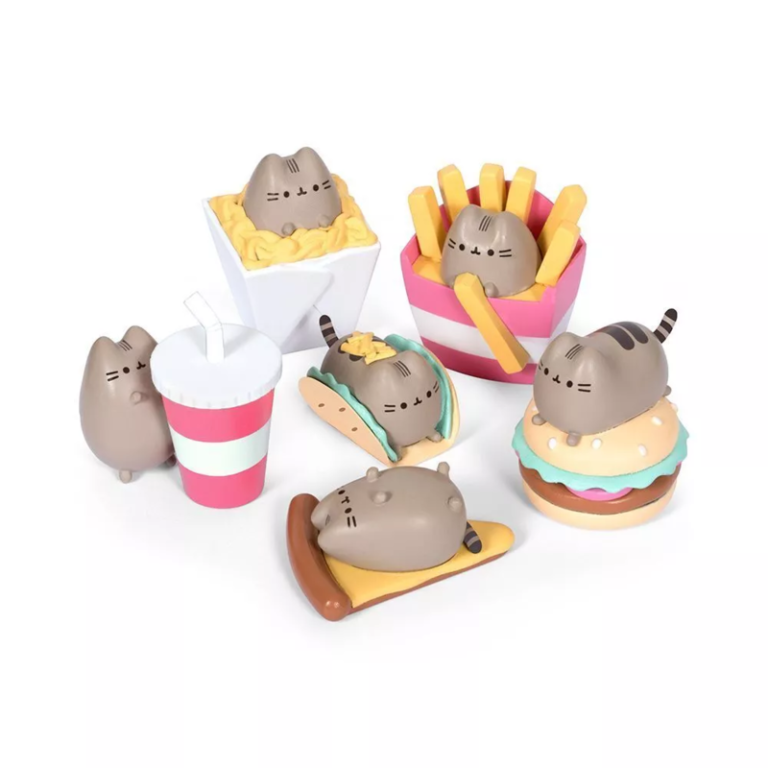
With extensive experience in OEM/ODM services, we support global brands in developing themed collections, large-scale production, and innovative toy designs. Whether you require collectible figures, promotional sets, or unique concepts, our team ensures every product meets strict standards for quality, safety, and market appeal.
 2 Modern Factories 30 Years of Toy Manufacturing Expertise 200+ Cutting-Edge Machines Plus 3 Well-Equipped Testing Laboratories 560+ Skilled Workers, Engineers, Designers, and Marketing Professionals One-Stop Customization Solutions Quality Assurance: Able to Pass EN71-1,-2,-3 and More Tests Competitive Prices and On-Time Delivery