
Chibi action figures have become trending collectibles thanks to their distinctive proportions, expressive faces, and playful character designs. Inspired by the Japanese chibi art style, these figures typically feature oversized heads, compact bodies, and simplified facial details, creating an appealing appearance that attracts anime fans, collectors, and younger consumers.
What Are Chibi Action Figures and Why Are They Popular
Chibi action figures are stylized character figures inspired by the Japanese chibi art style, which transforms characters into cute, compact versions with exaggerated proportions. Their most recognizable feature is an oversized head paired with a small body, short limbs, and expressive facial features. Compared with realistic action figures, chibi figures simplify character details while emphasizing personality and visual appeal.
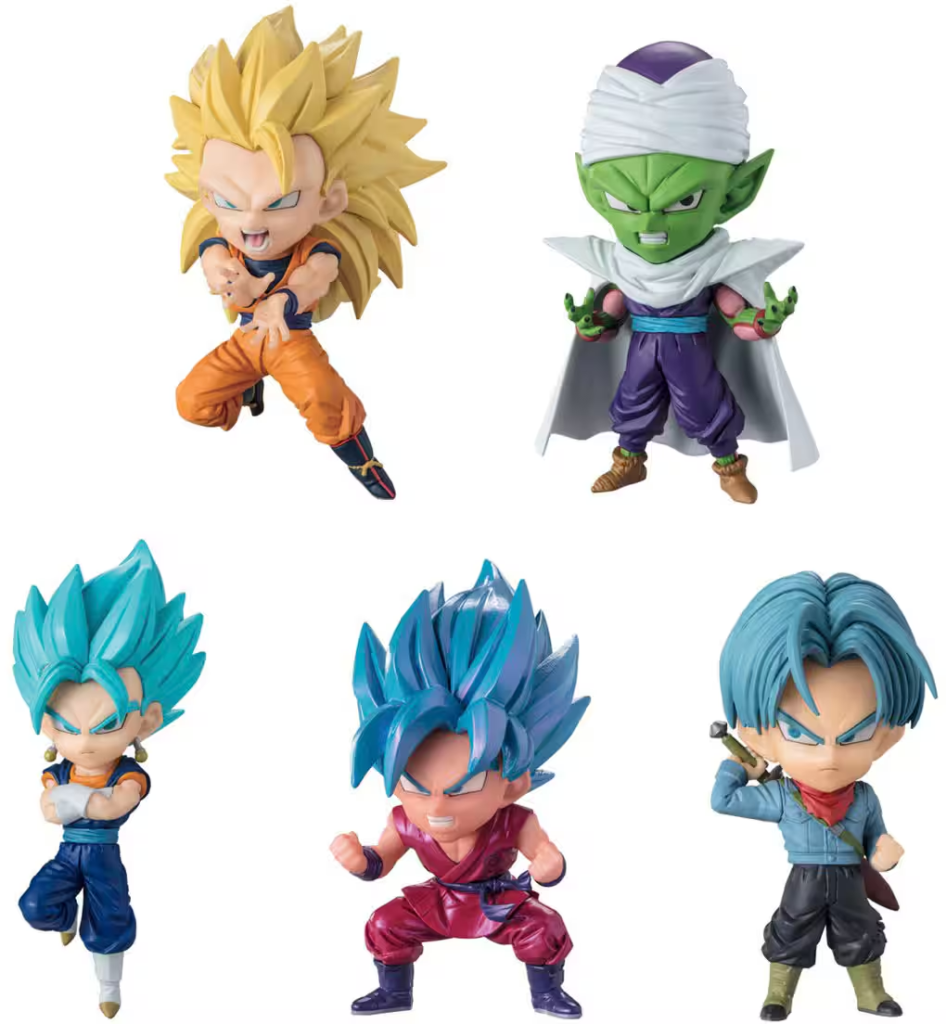
One reason for their popularity is their versatility. Chibi designs can be applied to anime characters, cartoon figures, video game characters, animals, superheroes, and original brand mascots. Their compact size also makes them suitable for desks, shelves, retail displays, gift collections, and promotional campaigns.
For brands and retailers, chibi figures offer strong customization potential. Different character expressions, poses, costumes, accessories, and color combinations can be developed into themed collections. They can also be sold individually or as blind box series, encouraging repeat purchases and collectible interest. This makes custom chibi action figures an attractive product category for entertainment brands, toy retailers, gift shops, and licensed merchandise businesses.
Popular Types of Chibi Action Figures and Collectibles
Chibi action figures are available in various styles, ranging from poseable figures to small decorative collectibles. Understanding these categories can help brands and retailers select the right product format for their target customers.
- Articulated Chibi Action Figures
Articulated chibi action figures feature movable joints that allow collectors to adjust their characters into different poses. They may come with interchangeable faceplates, hands, accessories, and other decorative parts. These figures combine the cute appearance of chibi characters with the interactive features of traditional action figures.
They are particularly suitable for premium collectibles, anime merchandise, and character-based product lines where poseability and display options add value.
- Mini Chibi Action Figures
Mini chibi action figures are compact collectibles, often featuring fixed poses and simplified character details. Their smaller sizes make them convenient for desk displays, gift sets, capsule toys, and retail collections.
Compared with highly articulated figures, mini figures generally have simpler structures and fewer components, making them suitable for brands looking to develop multiple characters within a collection. Different poses, costumes, and expressions can help create a visually consistent product series.
- Chibi Blind Box and Collectible Figures
Chibi blind box figures are packaged in mystery boxes, allowing customers to discover which character or design they have purchased after opening the package. These products often feature multiple characters within one themed collection, sometimes including rare or special editions.
Other collectible styles include bobble-head figures, stylized monster figures, and compact decorative characters. Their attractive designs and surprise element make them suitable for gift shops, specialty retailers, entertainment merchandise, and collectible toy markets.
How to Customize Chibi Action Figures
Customizing chibi action figures involves several stages, from developing the original character concept to producing finished products.
Define Your Character Concept
Before starting production, define the purpose of your chibi figures and the audience you want to reach. For example, anime merchandise brands may want to transform existing characters into cute chibi versions, while retailers may prefer original animal characters, fantasy figures, or seasonal designs.
Consider the character’s personality, background, visual identity, and role within the collection. If you are developing a series, establish a consistent design direction so that all figures share recognizable proportions, artistic styles, and visual elements.
Create Character Designs and Select Styles
Once the concept is established, develop character illustrations and 3D design references. These materials help manufacturers understand the desired appearance, proportions, facial expressions, costumes, and other visual details.
You should also decide whether your figures will have fixed poses or articulated structures. Fixed-pose figures are generally simpler to manufacture, while articulated designs require additional structural planning and mold development. For brands working with licensed characters, appropriate intellectual property authorization should also be secured before production.
Choose Materials, Sizes, and Accessories
Material selection directly affects the appearance, durability, production process, and cost of custom chibi figures. PVC is widely used for collectible figures because it supports detailed shapes, colorful designs, and different surface finishes. ABS is another option, particularly for structural components and accessories that require greater rigidity.
Vinyl and resin can also be considered depending on the desired product style and manufacturing requirements. In addition to materials, determine the figure’s height, weight, base structure, and accessory requirements. Common accessories include miniature weapons, hats, clothing elements, display bases, and interchangeable parts.
Customize Colors, Expressions, and Details
Customization is what makes a chibi figure recognizable and distinctive. Brands can adjust hair colors, eye shapes, facial expressions, clothing patterns, and decorative elements to match their original characters or brand identity.
Surface finishes can also enhance the final appearance. Options may include glossy, matte, metallic, pearlescent, and flocked finishes, depending on the design and material. For collectible series, maintaining consistent color standards and painting details across different figures is especially important.
Develop Prototypes and Approve Samples
Before mass production, manufacturers typically develop prototypes or samples for evaluation. This stage allows brands to check the figure’s proportions, sculpting details, colors, accessories, and overall appearance.
Any necessary adjustments should be completed before final sample approval. For more complex designs, it may be helpful to review different development stages, including the initial 3D model, physical prototype, and painted sample. Approving a final reference sample helps establish the production standard for the entire order.
Finalize Packaging and Branding
Packaging is another important part of custom chibi figure development, especially for retail and collectible products. Brands can customize packaging with logos, character artwork, product information, and collection themes.
Popular options include window boxes, individual boxes, blister packaging, display boxes, and blind box packaging. The right packaging should protect the figures during transportation while creating an attractive presentation for retail shelves.
Move to Mass Production
After sample approval and packaging confirmation, the project can move into mass production. The manufacturer prepares the necessary molds, materials, production processes, painting arrangements, and assembly procedures.
During production, quality inspections should be conducted to check product appearance, dimensions, painting accuracy, assembly, and packaging. A reliable production process helps ensure that finished products remain consistent with the approved samples.
What Should Brands and Retailers Consider Before Ordering Custom Chibi Action Figures
Before placing a bulk order, brands and retailers should evaluate several factors to make sure their projects meet commercial and operational requirements.
MOQ can vary depending on the figure’s size, complexity, materials, and manufacturing process. Brands should confirm minimum quantities, tooling costs, sampling fees, and unit prices before starting development. For multi-character collections, it is also important to clarify whether MOQ applies to each design or the entire order.
Detailed character designs, articulated joints, interchangeable accessories, and special surface finishes can increase development time and production costs. A clear design brief helps manufacturers evaluate feasibility and provide more accurate quotations.
If the figures are intended for children, brands should consider applicable toy safety standards and testing requirements in their target markets. These may include EN71, ASTM F963, and CPSIA requirements, depending on the product and market. Age grading, small parts, material composition, and product construction should all be evaluated.
Custom figure development usually involves design confirmation, prototyping, sample approval, tooling, mass production, inspection, and packaging. Brands should discuss the expected schedule with their manufacturer in advance, especially when products are planned for seasonal promotions or specific retail launches.
Consider whether the figures will be sold as premium collectibles, affordable mini figures, blind box products, or promotional gifts. Product size, materials, accessories, and packaging should match the intended retail price and customer expectations.
How to Choose a Reliable Chibi Action Figure Manufacturer
Choosing the right manufacturer is essential for turning character concepts into commercially successful products. Brands and retailers should look beyond quotations and evaluate a supplier’s overall manufacturing capabilities.
First, check the manufacturer’s experience in producing action figures and collectible toys. Experience with PVC figures, character merchandise, and different painting techniques can help ensure that the supplier understands the requirements of detailed figure production.
Second, evaluate its OEM and ODM capabilities. A professional manufacturer should be able to support customers with product design, 3D modeling, prototyping, material selection, mold development, and mass production. This is particularly important for brands that have an initial concept but need technical assistance to develop a manufacturable product.
Production capacity and quality control are equally important. Ask about factory facilities, production equipment, worker experience, inspection procedures, and testing capabilities. A manufacturer with established production systems is generally better positioned to handle repeat orders and large-volume projects.
Finally, consider communication, customization flexibility, packaging services, and delivery management. A reliable manufacturing partner should understand your requirements, provide practical development suggestions, and maintain clear communication throughout the project.
Why Choose Weijun Toys for Custom Chibi Action Figures
With over 30 years of toy manufacturing experience, Weijun Toys is a trusted action figure manufacturer and OEM & ODM supplier, providing comprehensive customization solutions for global brands, retailers, distributors, and promotional businesses.
We specialize in developing and manufacturing different types of plastic figures and collectible toys, including custom PVC figures, character figures, and other stylized collectibles. Whether you want to create cute chibi characters, original mascots, anime-inspired collectibles with appropriate licensing, or a complete series of themed figures, our team can help turn your ideas into finished products.
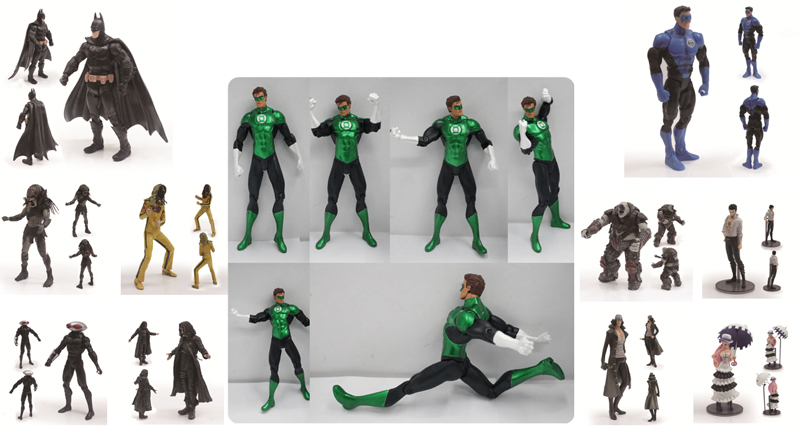
Our product capabilities extend beyond action figures. We also accept custom projects for vinyl toys, capsule toys, PVC toys, blind box collectibles, electronic toys, plush toys, and promotional toys. This broad product range allows us to support customers across different toy categories and market segments.
We offer professional OEM and ODM services to meet different development requirements. Customers can provide existing designs, sketches, reference images, or initial concepts, and our team can assist with design refinement, product development, prototyping, material selection, and production planning. We also work with customers who want to develop entirely new products from the ground up. From initial concept development to sample approval, mass production, customized packaging, and delivery, Weijun provides one-stop manufacturing support.
 2 Modern Factories 30 Years of Toy Manufacturing Expertise 200+ Cutting-Edge Machines Plus 3 Well-Equipped Testing Laboratories 560+ Skilled Workers, Engineers, Designers, and Marketing Professionals One-Stop Customization Solutions Quality Assurance: Able to Pass EN71-1,-2,-3 and More Tests Competitive Prices and On-Time Delivery










