
Collectible mystery boxes have become a popular product format for brands looking to create engaging shopping experiences and build long-term customer interest. By combining collectible toys, creative packaging, and the excitement of discovering a surprise item, mystery boxes offer more than a traditional retail product. They encourage repeat purchases, support themed collections, and give brands new opportunities to connect with their audiences.
What Are Mystery Boxes
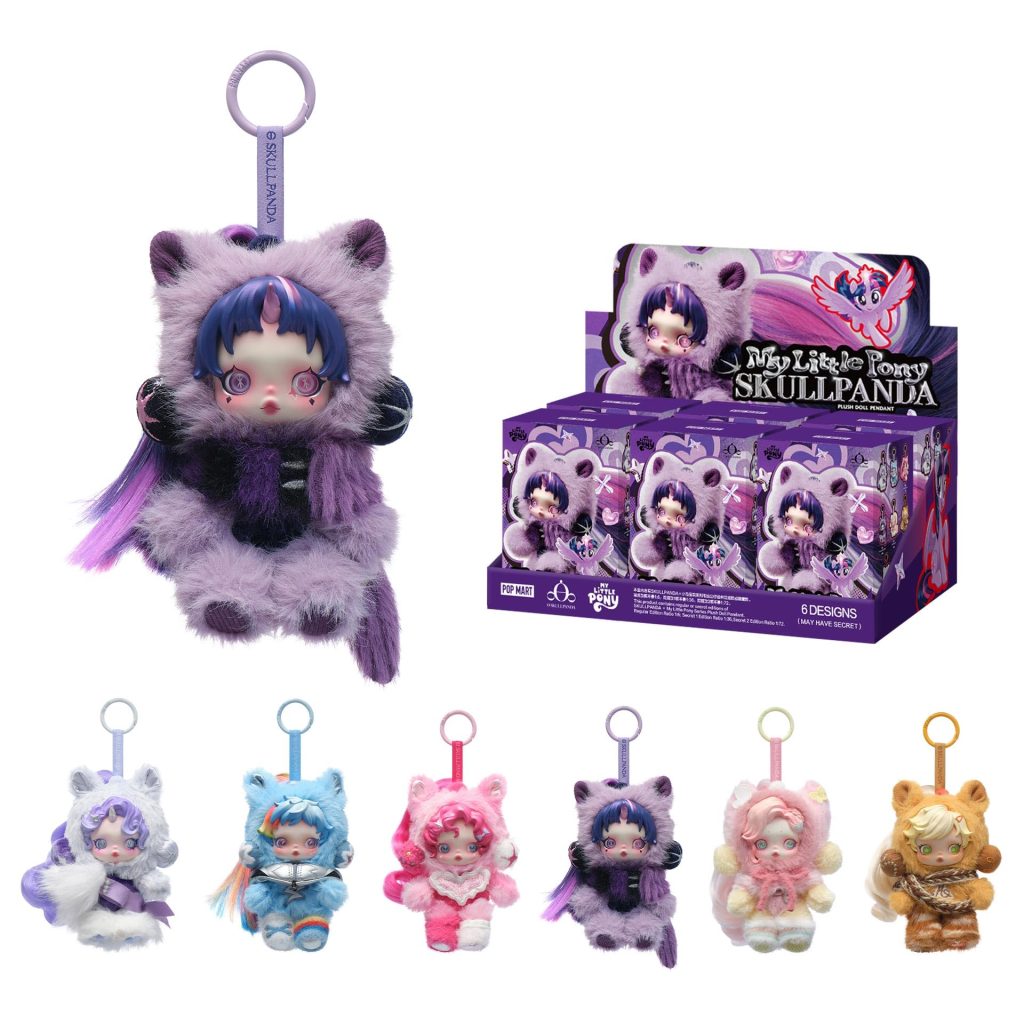
Mystery boxes are products sold in sealed or concealed packaging that contains an item selected from a predetermined collection. Buyers know the general theme or product series but do not know which specific design they will receive until opening the box. In the toy and collectible market, mystery boxes are commonly known as blind boxes.
Collectible mystery boxes usually feature character figures, mini toys, plush toys, or other themed collectibles. A collection may include several regular designs and one or more rare or secret editions, creating an element of surprise that encourages consumers to explore the entire series.
For brands, mystery boxes provide an effective way to introduce original characters, develop licensed merchandise, and create limited-edition products. They can also be used for promotional campaigns, seasonal collections, and retail gift programs.
How to Create Custom Collectible Mystery Boxes
Step 1. Define Your Character Concept and Target Audience
The first step in developing collectible mystery boxes is to establish a clear product concept. Brands should consider their target audience, market positioning, and the purpose of the collection. For example, a collection designed for young consumers may feature colorful animal characters, while a series aimed at adult collectors may focus on detailed figures, artistic designs, or nostalgic themes.
A strong character concept helps differentiate the collection from competing products. It should also be flexible enough to support multiple designs, expressions, poses, and accessories. Before moving into production, brands should confirm the overall style, character personality, and visual direction of the collection.
Step 2. Develop Character Designs and Collection Themes
Once the concept is established, the next step is to develop the character designs and collection theme. Brands can create original characters, adapt existing brand mascots, or develop licensed characters with the appropriate authorization.
A cohesive collection typically includes several designs that share a consistent visual style while offering individual variations. Differences in poses, colors, costumes, facial expressions, and accessories can make each character unique without losing the overall identity of the series.
It is also important to consider how the collection may expand in the future. A well-developed character system can support additional series, seasonal editions, or collaborations, helping brands maintain consumer interest beyond the initial launch.
Step 3. Choose the Right Mystery Box Toy Type and Materials
The toy type and material directly influence the appearance, durability, cost, and production process of collectible mystery boxes. Popular options include PVC figures, ABS toys, vinyl figures, plush toys, and other miniature collectibles.
PVC is widely used for detailed character figures because it supports a variety of shapes, colors, and surface finishes. ABS may be suitable for components requiring greater rigidity, while plush materials offer a softer and more approachable product style. Vinyl toys can also be developed for brands seeking distinctive collectible designs.
The material should be selected according to the product concept, target audience, budget, and intended retail price. An experienced manufacturer can help evaluate suitable materials and production methods before the design is finalized.
Step 4. Plan the Collection Size and Blind Box Ratio
Collection planning is an important part of mystery box development. Brands need to determine how many designs will be included in one series and whether the collection will contain regular, limited, or secret figures.
A collection with multiple designs can offer variety and encourage consumers to collect different characters. However, the number of designs should remain manageable for production, inventory planning, and retail distribution.
Blind box ratios should also be carefully considered. Brands may establish different distribution ratios for regular and rare designs based on their marketing strategy and production quantities. These ratios should be clearly planned with the manufacturer to support consistent packing and inventory management. Any rarity or probability claims should accurately reflect the actual distribution.
Step 5. Customize Packaging and Brand Elements
Packaging is an essential part of the mystery box experience. Since consumers cannot see the toy before opening the box, the exterior packaging plays an important role in communicating the collection’s theme and attracting attention at retail.
Brands can customize box size, artwork, colors, logos, character illustrations, and collection information. Inner packaging, such as foil bags or protective inserts, can also be designed to conceal the product and protect it during transportation.
A complete packaging design should balance visual appeal, product protection, and practical requirements. Retail-ready packaging can help mystery boxes stand out on shelves while reinforcing brand recognition across the entire collection.
Step 6. Find a Reliable Collectible Mystery Box Manufacturer
Choosing the right collectible mystery box manufacturer is essential for turning creative ideas into market-ready products. Brands should evaluate a manufacturer’s experience with collectible toys, material capabilities, sample development, production capacity, and quality control procedures.
A reliable manufacturer should be able to support different toy types and customization requirements rather than offering only standard products. This flexibility is particularly important for brands developing original characters or multi-design collections.
It is also helpful to work with a supplier that provides OEM and ODM services. OEM manufacturing allows brands to produce toys based on their own designs, while ODM support can help develop new product concepts and improve designs for manufacturing.
Step 7. Develop Prototypes and Approve Samples
Before mass production, brands should review prototypes and production samples to confirm that the product meets the original design requirements. This stage allows teams to evaluate the character’s proportions, colors, details, materials, and overall appearance.
For collectible figures, sample approval may include checking paint application, surface finishing, assembly, and accessory placement. For plush toys, brands should review fabric texture, embroidery, stitching, and filling.
Any necessary adjustments should be completed before production begins. Approving a final sample helps establish a clear quality reference for the manufacturer and reduces the risk of inconsistencies during mass production.
Step 8. Move to Mass Production and Quality Control
After sample approval, the manufacturer can prepare for mass production. This involves confirming production quantities, materials, packaging specifications, schedules, and quality requirements.
Quality control should be carried out throughout the manufacturing process, including material inspection, production checks, assembly inspection, and finished-product evaluation. For mystery boxes, it is also important to verify that the correct designs and packaging components are prepared according to the approved collection plan.
Toy safety requirements should be considered based on the product’s intended age group and target market. Relevant testing may include applicable mechanical, physical, flammability, and chemical requirements.
Step 9. Prepare Your Collectible Mystery Boxes for Retail
Once production is completed, brands should prepare the mystery boxes for distribution and retail launch. This includes confirming packaging quantities, carton specifications, product labeling, shipping arrangements, and delivery schedules.
Retailers may require specific packaging formats, barcodes, or product information for inventory management. Brands should communicate these requirements to the manufacturer early in the development process to avoid unnecessary changes before shipment.
Planning production and delivery timelines in advance is particularly important for seasonal collections, promotional campaigns, and limited-edition releases. A well-organized launch can help ensure that collectible mystery boxes reach retail channels on schedule.
Why Choose Weijun Toys for Custom Collectible Mystery Boxes
Weijun Toys is a trusted mystery box manufacturer with extensive experience in collectible toy production. With more than 30 years of toy manufacturing experience, we understand the requirements of developing character-based products for brands, retailers, distributors, and promotional businesses.
We support custom mystery box projects from concept development and design to prototyping, mass production, packaging, and delivery. Whether you already have a complete product design or need assistance developing a new collection, our professional OEM and ODM capabilities help turn your ideas into market-ready products.
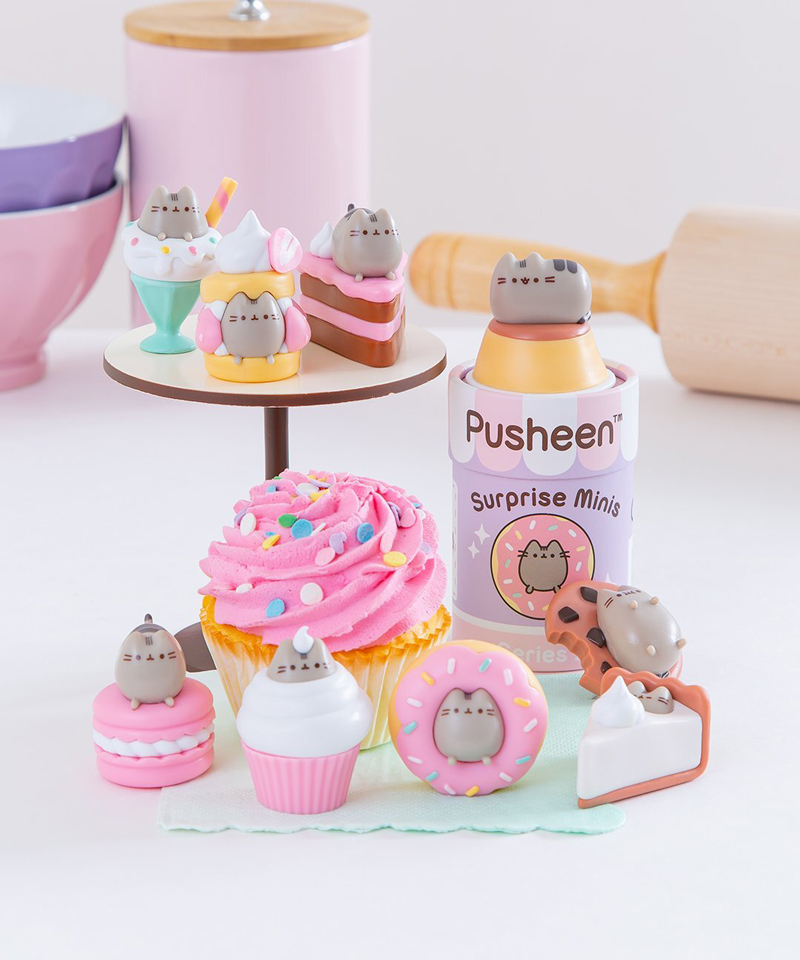
Weijun Toys accepts customization of mystery boxes made from various materials, including PVC, ABS, vinyl, plush, and other suitable toy materials. Our team can also help customize character designs, colors, finishes, accessories, collection themes, and product specifications to meet different brand requirements. Packaging is another important part of our customization service. We can support custom mystery box packaging, including artwork, logos, colors, and product presentation, helping brands create a consistent identity across their collectible collections.
In addition to mystery boxes, Weijun Toys offers custom manufacturing services for a wide range of toy products, including vinyl toys, capsule toys, PVC toys, action figures, electronic toys, plush toys, and promotional toys. This broad product capability allows brands to develop different product categories with a manufacturing partner that understands their customization needs.
 2 Modern Factories 30 Years of Toy Manufacturing Expertise 200+ Cutting-Edge Machines Plus 3 Well-Equipped Testing Laboratories 560+ Skilled Workers, Engineers, Designers, and Marketing Professionals One-Stop Customization Solutions Quality Assurance: Able to Pass EN71-1,-2,-3 and More Tests Competitive Prices and On-Time Delivery










