When it comes to plush toys, the outer fabric often gets all the attention. However, the filling inside is just as important. It affects not only the feel and weight of the toy but also its safety, durability, and suitability for different age groups.
If you’re a toy brand, gift company, or retailer planning to manufacture custom plush toys, understanding the pros and cons of different stuffed animal filling materials can help you make smarter decisions. Let’s dive into the most common types and how to choose the best one for your needs.
Why Filling Materials Matter
The stuffing inside a plush toy plays a big role in:
- Softness and squishiness
- Weight and shape retention
- Safety and compliance
- Environmental impact
- Cost of production
Whether you want your plush toys to be huggably soft, beanbag-heavy, or ultra-light, it all starts with the right filling.
Common Plush Toy Filling Materials
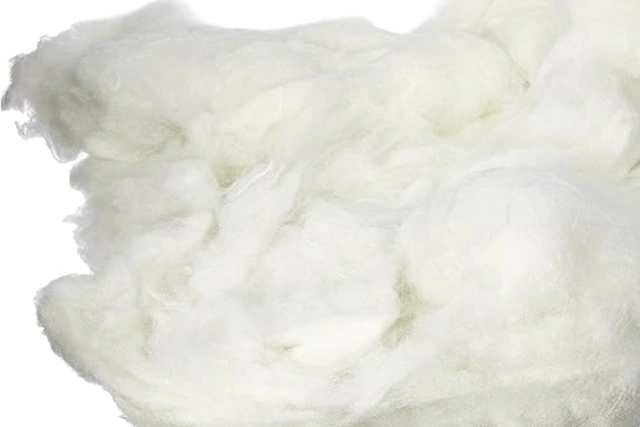
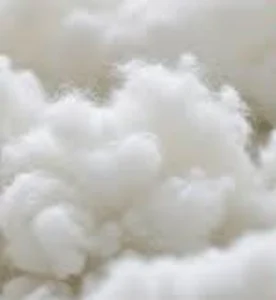
1. Polyester Fiberfill (PP Cotton)
The most widely used plush toy filling.
What it is: A fluffy, synthetic fiber made from polyester, also called PP cotton.
Pros:
- Inexpensive and lightweight
- Soft and resilient
- Non-allergenic and washable
- Readily available in bulk
Cons:
- Made from petroleum-based materials (not eco-friendly unless recycled)
Best for: General plush toys, dolls, mascots, promotional plush
2. Recycled Polyester Fiber (rPET Filling)
An eco-friendly version of fiberfill.
What it is: Fiber made from recycled plastic bottles and other post-consumer plastics.
Pros:
- Sustainable and eco-conscious
- Similar softness and bounce to standard fiberfill
- Good for green branding
Cons:
- Slightly higher cost
- May require extra certification for sustainable claims
Best for: Eco-friendly plush toy lines, brands with CSR goals
3. Foam or Memory Foam Pieces
What it is: Shredded or molded foam pieces added for structure or a squishier texture.
Pros:
- Offers shape retention and a “cushioned” feel
- Can be used for specialty textures
Cons:
- Less breathable
- Can be tricky to clean
- May increase production cost
Best for: Plush pillows, novelty plush toys, adult collectibles
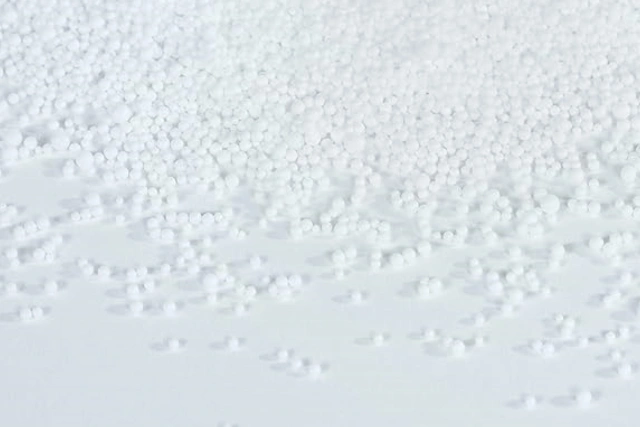
4. Plastic Pellets (Beads)
What it is: Small round plastic pellets used to add weight or create a beanie-style plush.
Pros:
- Creates a beanbag feel
- Adds weight for sensory or “premium” toys
- Can be used in specific areas (e.g., paws, belly)
Cons:
- Not suitable for infants due to choking hazard (if seams break)
- Needs to meet strict safety sealing standards
Best for: Plush toys for older children, adults, or pets; collectible plush; weighted plush
5. Cotton or Wool Stuffing
What it is: Natural fiber options traditionally used before synthetics.
Pros:
- Natural, biodegradable
- Appealing to eco-conscious markets
Cons:
- More expensive
- Can clump over time
- Prone to mold or pest issues if not treated
Best for: Premium natural plush lines or sustainable toys for adults
6. Microbeads or Gel Beads
What it is: Ultra-fine beads for a silky or therapeutic feel.
Pros:
- Smooth and moldable texture
- Often used in sensory toys
Cons:
- Expensive
- Not suitable for children due to leakage risks
Best for: Therapeutic plush, adult stress toys, novelty products
Weijun Toys: Your Trusted Toy Manufacturer
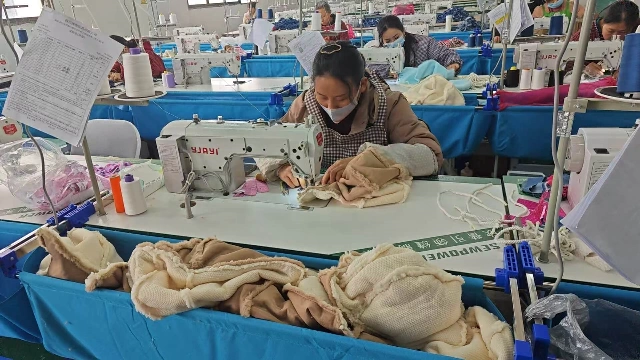
2 Modern Factories
30 Years of Toy Manufacturing Expertise
200+ Cutting-Edge Machines Plus 3 Well-Equipped Testing Laboratories
560+ Skilled Workers, Engineers, Designers, and Marketing Professionals
One-Stop Customization Solutions
Quality Assurance: Able to Pass EN71-1,-2,-3 and More Tests
Competitive Prices and On-Time Delivery
Choosing the Right Plush Toy Fill: Key Considerations
Here’s how to choose the ideal stuffing material for your plush toy project:
| Factor | Consideration |
|---|---|
| Target Age Group | Use fiberfill for babies and toddlers; avoid beads or foam. |
| Product Purpose | For hugs, use soft fill; for collectibles, add weight or structure. |
| Safety & Compliance | Ensure fill materials are non-toxic and meet EN71, ASTM, or CPSIA. |
| Sustainability Goals | Choose rPET or natural fiber stuffing for eco-conscious toys. |
| Budget | Polyester fiberfill is the most cost-effective; natural and specialty fills cost more. |
Work with a Manufacturer Who Understands Fill Materials
The right plush toy manufacturer will help you match your product design with the right materials—not just outside, but inside too.
At Weijun Toys, we help global brands choose from a wide range of filling materials and customize every detail of their plush toys. Whether you’re designing soft promotional plushies or sustainable retail lines, we ensure every toy is filled to perfection—safely, affordably, and to your exact specs.
Final Thoughts
The stuffing inside your plush toy may be hidden, but its impact is felt in every squeeze, cuddle, and toss. Choosing the right filling isn’t just about comfort—it’s about quality, compliance, and brand experience.
Need expert advice on plush materials?
Contact Weijun Toys to discuss your plush toy project.