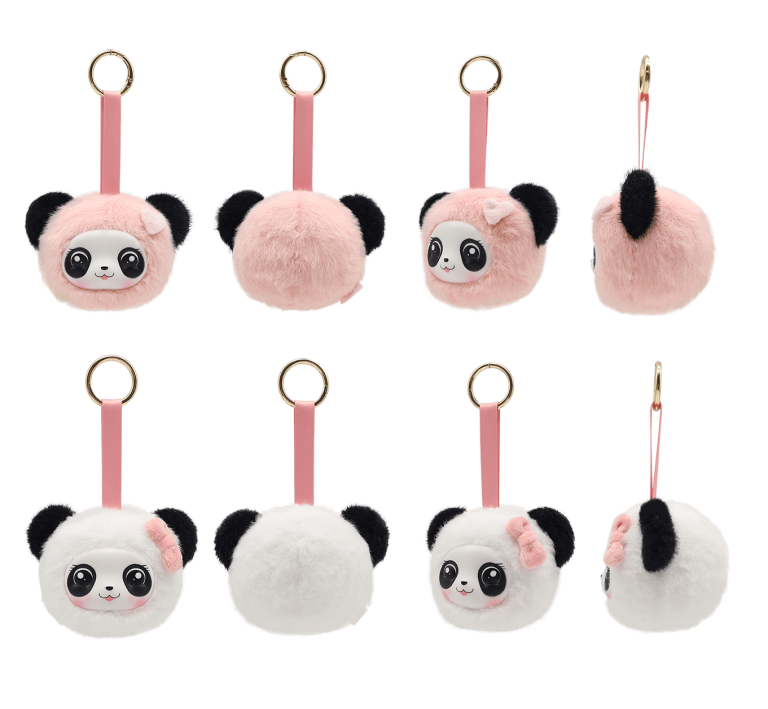
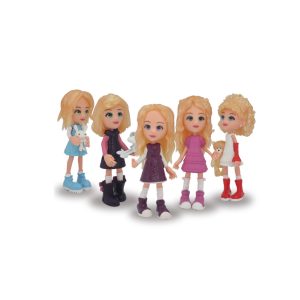
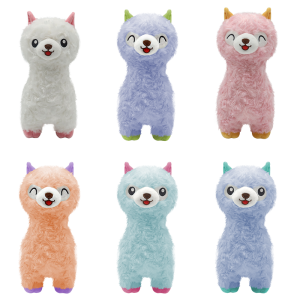
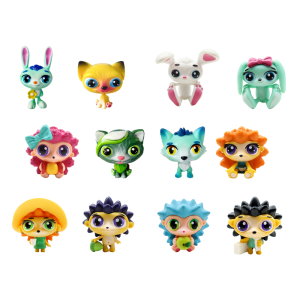
From fast fashion to fast toys, the world is waking up to the environmental cost of mass production. In the toy industry, one solution gaining real traction is recycled plush toys, a growing category that aligns playtime with planet-positive choices.
Whether you’re a retailer, brand, or promotional buyer, understanding how recycled plush toys are made, and why they matter, can help you stay ahead of both consumer trends and global sustainability goals.
What Are Recycled Plush Toys?
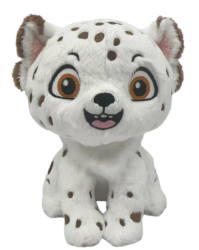
Recycled plush toys are soft toys made using materials that have been repurposed from post-consumer or post-industrial waste. The most common components include:
- Recycled polyester fabric (often made from PET plastic bottles)
- Recycled stuffing (fiberfill regenerated from used plastics or fabrics)
- Recycled felt, yarn, or labels
These toys look and feel just like traditional plushies but come with a smaller environmental footprint and a bigger story to tell.
How Recycled Plush Toys Are Made
The process behind recycled plush toys combines sustainability with modern manufacturing:
1. Material Sourcing
The core materials (like rPET) are sourced from certified suppliers. This includes plastic bottles that are cleaned, melted, and spun into polyester fibers.
2. GRS Certification
Factories often work with GRS (Global Recycled Standard) certified suppliers to ensure the origin, traceability, and content of recycled materials. This is crucial for transparency—especially when working with eco-conscious brands.
3. Fabric Weaving & Dyeing
The recycled fibers are turned into plush fabrics, such as short-pile fleece, minky, or velboa, through weaving and dyeing processes that meet toy safety and quality standards.
4. Toy Design & Production
Designs are developed just like traditional plush toys, but materials like recycled embroidery threads, labels, and even hangtags may be used. In some cases, factories also offer plastic-free packaging as part of the sustainability effort.
5. Safety Testing
Despite using recycled materials, these toys must still meet global toy safety standards like EN71, ASTM F963, and CPSIA. Responsible factories test for flammability, chemical content, durability, and more.

Weijun Toys: Your Trusted Toy Manufacturer
2 Modern Factories
30 Years of Toy Manufacturing Expertise
200+ Cutting-Edge Machines Plus 3 Well-Equipped Testing Laboratories
560+ Skilled Workers, Engineers, Designers, and Marketing Professionals
One-Stop Customization Solutions
Quality Assurance: Able to Pass EN71-1,-2,-3 and More Tests
Competitive Prices and On-Time Delivery
Why Recycled Plush Toys Matter
Recycled plush toys do more than reduce waste. They help reshape brand values and influence consumer habits.
Environmental Impact
- Reduces dependence on virgin plastic
- Minimizes landfill waste
- Lowers carbon emissions in the supply chain
Consumer Appeal
- Eco-conscious parents and Gen Z buyers are actively seeking sustainable products
- Toy lines with “recycled” or “green” messaging tend to perform better in premium and ethical markets
Brand Differentiation
- Whether you’re a startup or a global retailer, offering a recycled toy line signals long-term thinking and social responsibility
- Many companies now integrate recycled products into CSR initiatives, school giveaways, or eco gift packs
Use Cases for Recycled Plush Toys
- Retailers launching eco-themed toy lines
- Eco brands looking for plastic-free gifts or collectibles
- Corporates offering branded mascots made from recycled materials
- Educational programs promoting recycling and sustainability through storytelling plush
Finding the Right Partner
Manufacturing recycled plush toys requires precision, compliance, and experience with sustainable sourcing. That’s why businesses looking for bulk or custom orders should work with an established plush toy manufacturer who offers:
- GRS-certified material sourcing
- Full OEM & ODM services
- In-house design and testing labs
- Compliance with international toy safety standards
One such partner is Weijun Toys, a leading factory in China that offers both traditional and recycled plush toy production for global brands and B2B buyers. With decades of experience and a growing focus on sustainable toy development, Weijun helps clients bring eco-friendly toy concepts to life without compromising quality or cost-efficiency.
Final Thoughts
Recycled plush toys aren’t just a niche. They’re the future of responsible toy manufacturing. As buyers, brands, and consumers align around sustainability, investing in eco-friendly toy solutions is both a smart business move and a meaningful contribution to the planet.
Whether you’re planning your next retail collection or preparing a green corporate campaign, recycled plush toys offer a tangible way to turn waste into wonder.