
Collectible blind box toys have become increasingly popular among consumers who enjoy character collecting, surprise unboxing experiences, and limited-edition merchandise. From cute animal figurines and cartoon characters to designer toys and plush collectibles, blind boxes offer brands an engaging way to connect with customers, build product collections, and encourage repeat purchases.
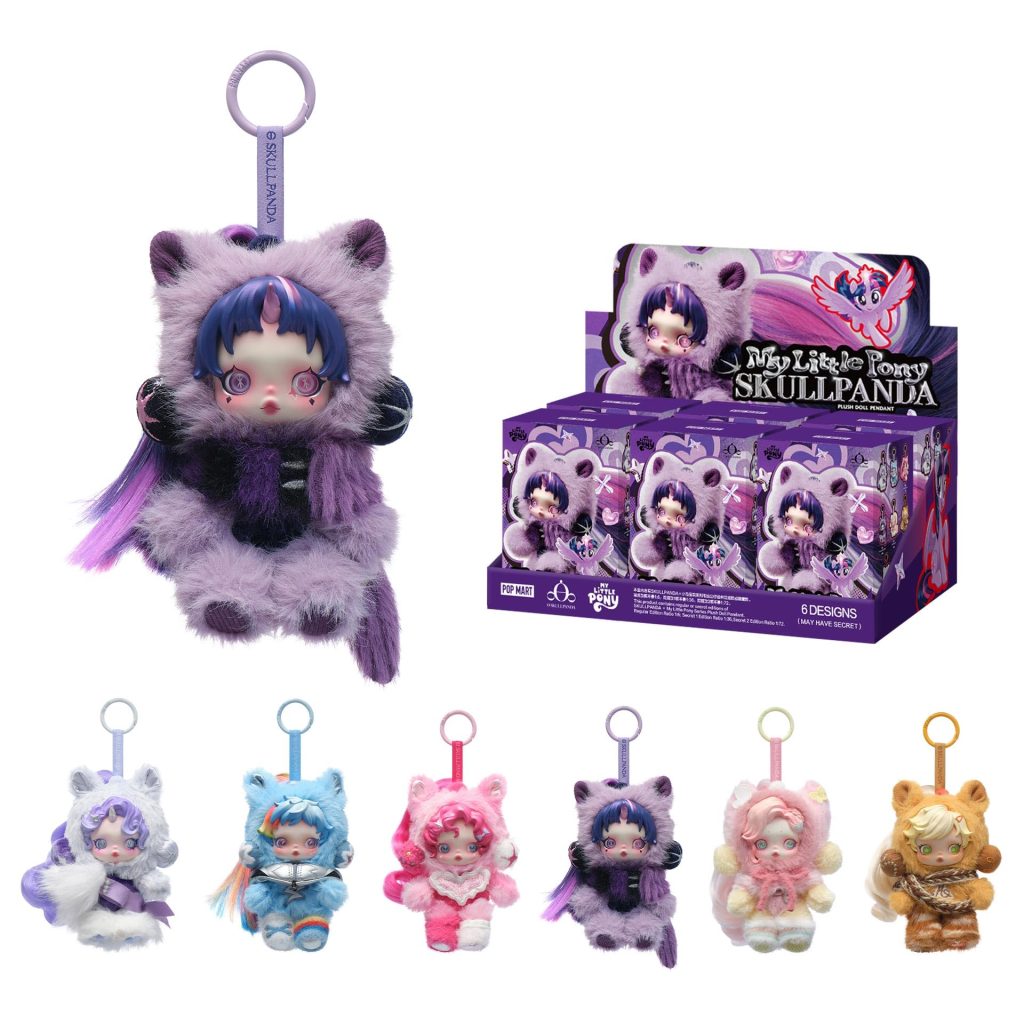
Step 1. Define Your Blind Box Concept and Target Audience
Every successful blind box collection starts with a clear concept. Before developing characters or selecting materials, brands should determine what kind of products they want to create and who they want to reach.
Start by identifying your target audience, such as children, teenagers, adult collectors, or fans of specific entertainment and lifestyle themes. Different audiences have different preferences. Children’s blind boxes may focus on cute animals, colorful characters, and playful designs, while adult collectible markets often favor artistic figures, distinctive character personalities, and limited-edition releases.
Next, choose a theme that aligns with your brand identity and product positioning. Popular concepts include animals, fantasy creatures, food-inspired characters, seasonal collections, and original designer toys. Researching market trends and competing products can also help identify opportunities for differentiation.
A clear concept provides direction for the entire development process, including character design, materials, packaging, and marketing.
Step 2. Develop Character Designs and Collection Series
Once the concept is established, the next step is to develop the characters and plan the collection. Character design is one of the most important factors influencing the appeal of collectible blind box toys. Unique appearances, recognizable features, and consistent visual styles help build a memorable collection.
Brands can start with original character illustrations or collaborate with an experienced toy manufacturer to develop new designs. Important details include character proportions, facial expressions, colors, clothing, accessories, and individual poses. These elements should work together to create a consistent visual identity across the collection.
It is also important to determine how many designs will be included in one series. For example, a collection might contain 6, 9, or 12 regular figures, with an additional hidden or secret figure to increase the surprise factor. Different poses, color variations, special accessories, and limited-edition designs can make the collection more interesting.
When developing multiple characters, consider how they look together as a complete series. A well-planned collection should offer enough variety to encourage collecting while maintaining a recognizable overall theme.
Step 3. Choose the Right Materials for Blind Box Figures
Material selection directly affects the appearance, texture, durability, production cost, and manufacturing process of blind box toys. The right choice depends on the product design, target audience, desired finish, and budget.
PVC is one of the most commonly used materials for collectible blind box figures. It supports detailed shapes, colorful designs, and various surface finishes, making it suitable for mini animal figures, cartoon characters, and decorative collectibles. ABS is another popular option, particularly for parts that require greater rigidity and structural strength.
Vinyl is often used for collectible figures with a distinctive soft-touch appearance and feel. For brands looking to create something different, plush and vinyl hybrid toys combine soft fabric bodies with molded vinyl heads or other components, offering an appealing alternative to traditional plastic figures.
Additional finishes can further enhance a product’s appearance. Flocking creates a soft, velvety surface, while glitter, metallic paint, pearlescent effects, and gradient colors can add visual interest. Discussing material and finish options with your manufacturer early in the development process helps balance design expectations, production feasibility, and cost.
Step 4. Create Prototypes and Refine Your Designs
Before moving into mass production, brands should create prototypes to evaluate whether the designs meet their expectations. This stage helps identify potential issues and reduce costly changes later in the manufacturing process.
The process usually begins with 2D artwork and 3D modeling, which translate character concepts into production-ready designs. Based on the approved models, the manufacturer can develop physical samples to evaluate the figures’ shapes, proportions, surface details, and overall appearance.
During sample review, pay attention to color accuracy, material texture, dimensions, assembly, and small decorative details. If the product includes movable components, electronic features, or special finishes, these should also be evaluated where applicable.
Brands may need several rounds of revisions before approving the final sample. Once the prototype meets the agreed requirements, the manufacturer can use it as a reference for tooling, production, and quality inspection.
Step 5. Customize Blind Box Packaging and Unboxing Experience
Packaging is an essential part of collectible blind box products. Since buyers do not know which figure they will receive before opening the package, the packaging should create curiosity while communicating the collection’s visual identity.
Start with the individual blind box design, including the product artwork, brand logo, collection name, and necessary product information. The packaging should protect the figure during storage and transportation while remaining visually attractive on retail shelves.
Brands can also include collection cards, character illustrations, stickers, and other inserts to make the unboxing experience more engaging. A character checklist is particularly useful because it allows collectors to track which figures they have already obtained.
For retail and wholesale distribution, consider outer display boxes and master cartons. Display boxes can present multiple blind boxes together, making them convenient for retailers and attractive to customers. Limited-edition packaging, special artwork, and hidden figures can also add excitement to the collection.
Step 6. Confirm Product Safety and Quality Requirements
Product safety and quality control should be considered throughout the development process, especially when blind box toys are intended for children. Brands need to understand the safety requirements of their target markets before production begins.
For example, toys sold in the United States may need to comply with applicable requirements under ASTM F963 and CPSIA, while products entering the European market may need to meet relevant EN71 requirements and CE marking obligations. Specific requirements depend on the product category, intended age group, materials, and market regulations.
Testing may cover mechanical and physical properties, chemical composition, small parts, paint coatings, and other potential safety risks. Electronic blind box toys may also require additional assessments related to batteries and electrical components.
Quality control should not stop at laboratory testing. Manufacturers should inspect incoming materials, molded components, painting, assembly, and finished packaging. Sample inspections and production checks help identify defects early and maintain consistency across different batches.
Working with a manufacturer that understands international toy safety standards can help brands prepare for compliance and reduce potential problems before products reach the market.
Step 7. Select a Reliable Blind Box Toy Manufacturer
Choosing the right manufacturing partner is one of the most important decisions in developing custom blind box toys. A reliable manufacturer should offer more than production services. It should also understand product development, material selection, prototyping, quality management, and international business requirements.
First, evaluate the manufacturer’s experience with collectible figures and similar toy categories. Different materials and product structures require different manufacturing processes, so relevant experience can make a significant difference in product quality and development efficiency.
Next, review its production capabilities and customization options. A professional OEM & ODM manufacturer should be able to support different figure designs, materials, colors, surface finishes, and packaging requirements. Flexible development support is particularly valuable for brands that have creative ideas but need technical assistance to turn them into manufacturable products.
You should also discuss MOQ, sampling costs, tooling fees, production lead times, and shipping arrangements before confirming an order. Make sure the manufacturer has clear quality control procedures and sufficient production capacity to handle your expected order volume.
Finally, request product samples or review previous manufacturing projects to understand the manufacturer’s workmanship and quality standards. A long-term manufacturing partner can help your brand develop new collections more efficiently and maintain consistent product quality as your business grows.
Step 8. Launch and Promote Your Custom Blind Box Collection
After production and quality inspection are complete, the next step is to introduce your collection to the market. A well-planned launch strategy can help generate interest and encourage customers to explore the entire series.
Start by preparing product photography, promotional videos, and collection previews for your website, social media channels, and retail partners. Showing all regular characters while keeping certain details of hidden figures undisclosed can help build anticipation before the launch.
Limited editions, rare figures, and special color variations can also encourage repeat purchases among collectors. However, these elements should be planned carefully to maintain a balanced collection and a positive customer experience.
For distribution, brands can explore online stores, toy retailers, gift shops, specialty collectible stores, and promotional partnerships. Display boxes and themed retail presentations can make blind box products more noticeable in physical stores.
After launch, monitor customer feedback, sales performance, and popular character designs. This information can help you improve future collections and identify opportunities for new product series.
Why Choose Weijun Toys for Custom Blind Box Manufacturing
Choosing an experienced toy manufacturer can simplify the development process and help turn creative concepts into commercially viable products. With 30+ years of toy manufacturing experience, Weijun Toys is a professional toy manufacturer offering comprehensive OEM and ODM solutions for brands, retailers, wholesalers, and distributors worldwide.
We specialize in a wide range of toy products, including custom blind box toys, action figures, PVC toys, capsule toys, electronic toys, plush toys, and promotional toys. Whether you already have finished character designs or simply have an initial product idea, our team can support your project through customization and new product development.

Our OEM services allow customers to customize existing product concepts or provide their own designs, with options for materials, sizes, colors, surface finishes, accessories, and packaging. For customers looking to develop something entirely new, our ODM capabilities provide support from concept development and design to prototyping and mass production.
From the initial concept to final packaging and delivery, Weijun Toys aims to provide reliable manufacturing support and flexible customization solutions. We welcome brands and business partners looking for a dependable OEM & ODM toy manufacturer to discuss their next project with us.
 2 Modern Factories 30 Years of Toy Manufacturing Expertise 200+ Cutting-Edge Machines Plus 3 Well-Equipped Testing Laboratories 560+ Skilled Workers, Engineers, Designers, and Marketing Professionals One-Stop Customization Solutions Quality Assurance: Able to Pass EN71-1,-2,-3 and More Tests Competitive Prices and On-Time Delivery










