
Custom resin figurines are popular among brands, artists, collectors, entertainment companies, retailers, and promotional businesses looking to turn original characters and creative concepts into physical collectibles. Compared with mass-market plastic figures, resin figurines are often valued for their ability to reproduce intricate sculptural details, distinctive shapes, and artistic designs.
What Are Resin Figurines
Resin figurines are collectible or decorative figures produced using resin as the primary casting material. Resin can reproduce fine sculptural details, making it suitable for character figures, art toys, miniatures, statues, promotional products, and collector-focused merchandise.
One of the key characteristics of resin production is its flexibility in reproducing detailed forms. Small facial features, textures, accessories, clothing details, and character elements can be incorporated into the master model and transferred to the final cast.
Resin figurines are often associated with premium collectibles and limited-edition products. Compared with injection-molded PVC or ABS figures, resin casting generally involves more manual processes. This can make resin suitable for highly detailed designs or smaller production runs, although it may also result in higher labor costs and longer production times.
Step 1. Submit Your Design
The first step in creating a custom resin figurine is to provide the manufacturer with a clear design concept. This can be an existing 3D model, character artwork, sketches, technical drawings, reference images, or even a basic concept that needs further development.
The more information provided at the beginning, the easier it is for the manufacturer to evaluate the project. Important specifications may include the figure’s overall height, proportions, pose, colors, accessories, surface details, expected quantity, and intended application.
For brands with existing intellectual property, character artwork or approved 3D assets can serve as the starting point. If the brand does not have a complete 3D model, an experienced manufacturer may be able to provide design or modeling support through its ODM capabilities.
At this stage, it is also important to discuss the intended production quantity and target price. A highly detailed resin figurine designed for a limited collector’s edition may require a different approach from a simple promotional figure intended for large-scale distribution.
Step 2. Sculpt the Master Model
Once the design has been confirmed, the next step is to create the master model. This is one of the most important stages because the master serves as the physical reference for the subsequent molding and casting process. Depending on the project, the master model may be sculpted digitally using 3D modeling software and then produced through 3D printing.
The master model needs to accurately represent the approved design. Its proportions, facial features, clothing, accessories, textures, and other sculptural details should be carefully checked before the mold is created.
For collectible resin figurines, this stage deserves particular attention because small imperfections in the master can be transferred to every cast produced from the mold. Making corrections at the master-model stage is generally easier than fixing repeated problems after mass casting has started.
The master should therefore be reviewed carefully by both the manufacturer and the customer. Brands should confirm the overall silhouette, character expression, proportions, and important design details before approving the master for mold making.
Step 3. Create the Silicone Mold
After the master model is approved, the manufacturer creates a silicone mold. The mold captures the shape and surface details of the master and allows multiple resin copies to be produced.
Silicone is widely used for resin casting because it is flexible enough to release cured resin parts without damaging many of the fine details on the cast. The mold-making process requires careful planning because the mold must be designed around the figure’s shape, parting lines, air channels, and pouring points.
Before resin production begins, the silicone mold should be checked for completeness and surface quality. Any significant issue at this stage can affect every subsequent casting, so mold inspection is an important part of quality control.
Step 4. Mix and Pour the Resin
Once the silicone mold is ready, the resin material is prepared for casting. Resin typically consists of components that need to be mixed in the correct proportions before being poured into the mold.
Accurate measurement and thorough mixing are essential. Incorrect ratios or insufficient mixing can affect the resin’s curing performance and the physical properties of the finished component.
The working time of the resin also needs to be considered. Once the components are mixed, the material begins to react and eventually harden. The manufacturer therefore needs to work efficiently while ensuring that the resin reaches all required areas of the mold.
Before pouring, the mold should be properly prepared and positioned. Depending on the production method and figure design, techniques such as vacuum degassing may be used to reduce trapped air bubbles. Air pockets can otherwise result in holes, surface imperfections, or incomplete details on the final casting.
The resin is then carefully introduced into the mold through the designated opening. For detailed figurines, controlled pouring is important to ensure that the material reaches narrow sections and captures the fine details of the mold.
Step 5. Cast the Figurine
After the resin has been prepared and poured, the material fills the mold and begins forming the figure. This is the actual casting stage, where the negative space inside the silicone mold is transformed into a physical resin component.
The casting process may require careful handling depending on the size and complexity of the figurine. Larger figures or designs with multiple components may be cast in separate parts rather than as one complete piece.
The manufacturer needs to pay attention to potential issues such as air bubbles, incomplete filling, surface defects, and inconsistent material distribution. The quality of the casting depends not only on the resin itself but also on the mold design and pouring technique.
For larger production orders, manufacturers may produce multiple castings using the same silicone mold. However, silicone molds have a limited service life, particularly when producing complex shapes or large quantities. Mold condition should therefore be monitored during production to maintain consistency.
At this stage, the cast parts should be inspected before moving to curing and demolding. Detecting obvious defects early can prevent additional labor from being spent on parts that will ultimately need to be rejected.
Step 6. Cure and Demold the Figurine
After casting, the resin needs sufficient time to cure and harden. The exact curing time depends on the type of resin, product size, ambient conditions, and formulation used by the manufacturer.
Proper curing is important because removing a piece from the mold too early can cause deformation or damage. The manufacturer needs to ensure that the resin has reached the appropriate level of hardness before demolding.
Once the resin has cured, the silicone mold can be carefully opened and the cast component removed. Flexible silicone makes it possible to release the figure while preserving many of the surface details.
Demolding requires care, especially for figures with thin accessories, protruding elements, or delicate structures. Excessive force can damage small components or leave unwanted marks on the resin.
After demolding, the cast should be inspected for visible defects. Excess resin around the edges, casting seams, sprue marks, or minor surface imperfections may need to be removed during the next finishing stage.
Step 7. Manual Polishing and Painting
Manual finishing is one of the most important stages in resin figurine production. Unlike highly automated injection molding, resin figures often require significant handwork after casting.
First, the cast components are cleaned and polished. Excess resin, mold seams, sprue marks, and other unwanted material are carefully removed. Sanding or other surface-finishing techniques may be used to create a smoother and more uniform surface.
After polishing, the figure can be painted according to the approved color specifications. Different parts may require different colors, coatings, or painting techniques. Facial features are particularly important because small differences in eye placement, expression, or color can significantly change the appearance of a character.
Some resin figures may also receive additional finishing treatments, such as matte, gloss, metallic, or other special surface effects. These finishing options can help create a specific visual style and enhance the perceived value of a collectible.
Because this stage involves substantial manual labor, polishing and painting can have a noticeable impact on the production cost of resin figurines. Brands should communicate the required level of detail clearly when requesting quotations.
Step 8. Assemble and Package
Once all individual components have been cast, finished, and painted, they can be assembled into the completed figurine. Depending on the design, assembly may involve attaching the head, body, accessories, weapons, bases, or other components.
The manufacturer should check the fit and stability of each component during assembly. Parts should align correctly with the approved master and remain securely attached during normal handling.
Final quality inspection takes place before packaging. The completed figure should be checked for paint accuracy, surface quality, assembly, proportions, missing components, and other visible defects. This final inspection helps ensure that the finished product meets the agreed specifications.
Packaging should be designed according to the product’s positioning and sales channel. Collector-focused resin figurines may use premium printed boxes, molded inserts, or protective packaging. Customized packaging can also include brand logos, character artwork, product information, barcodes, care instructions, and other required details. Proper internal protection is particularly important for resin figures because some thin or protruding components can be vulnerable to damage during transportation.
Weijun Toys: Your Reliable Resin Figurine Manufacturer
Weijun Toys is a professional toy manufacturer with more than 30 years of experience, providing OEM and ODM services for brands, retailers, wholesalers, artists, and other business partners.
Weijun offers customized toy manufacturing from initial concept and design development through prototyping, production, quality control, packaging, and delivery. For custom resin figurines, customers can provide original artwork, character concepts, 3D files, specifications, or reference designs for evaluation and development.
Resin is particularly suitable for projects that require intricate details, distinctive character forms, and a collectible-oriented appearance. Weijun can help customers evaluate the design and determine an appropriate production approach based on the figure’s size, complexity, quantity, and target market.
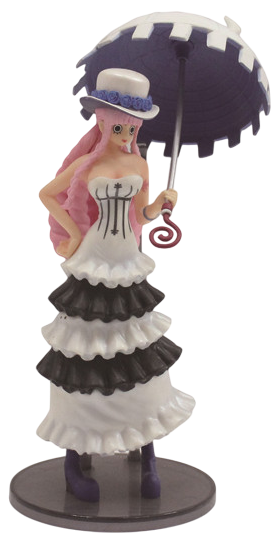
The company also has extensive experience across other toy categories, including PVC figures, vinyl toys, ABS plastic toys, action figures, blind box collectibles, mini figurines, plush toys, and promotional products. This broad manufacturing experience allows brands to explore different materials and product formats within the same development project.
Quality and safety remain central to the manufacturing process. Depending on the product category, target market, and intended age group, applicable requirements may include EN71, ASTM F963, CPSIA, and other market-specific regulations. Testing and quality-control procedures can be arranged according to project requirements.
 2 Modern Factories 30 Years of Toy Manufacturing Expertise 200+ Cutting-Edge Machines Plus 3 Well-Equipped Testing Laboratories 560+ Skilled Workers, Engineers, Designers, and Marketing Professionals One-Stop Customization Solutions Quality Assurance: Able to Pass EN71-1,-2,-3 and More Tests Competitive Prices and On-Time Delivery










