
Anime mini figures have become increasingly popular among collectors, fans, retailers, and lifestyle brands. Their compact size, recognizable character designs, and strong collectible appeal make them suitable for blind boxes, capsule toys, promotional campaigns, retail displays, gift shops, and licensed merchandise. For brands looking to develop their own character merchandise, custom anime mini figures offer a flexible way to turn original artwork or licensed characters into physical products.
What Are Anime Mini Figures
Anime mini figures are small-scale collectible figures inspired by anime-style characters, original illustrations, manga aesthetics, games, or other character-based designs. Compared with larger action figures, mini figures generally focus more on character recognition, stylized proportions, attractive details, and collectible value than on extensive articulation.
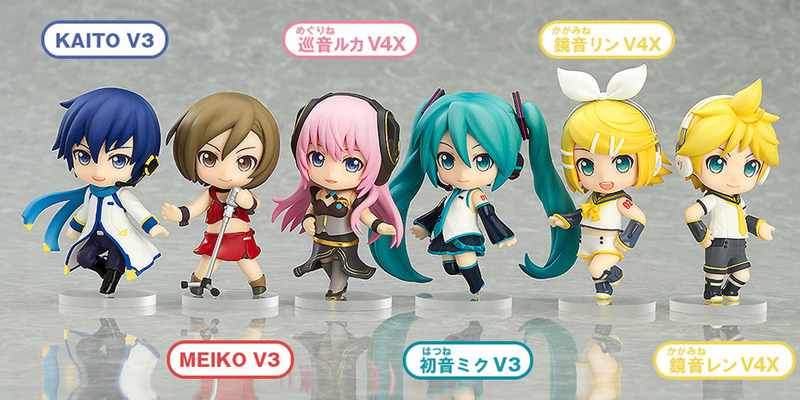
Their small size makes them particularly suitable for products such as blind box collectibles, capsule toys, desk decorations, promotional gifts, keychain figures, retail merchandise, and limited-edition character collections. Depending on the design and target market, a mini figure may feature a simple static pose or include multiple components and accessories.
When using an existing anime or entertainment IP, however, the manufacturer must work with designs that have appropriate licensing or authorization from the IP owner. For original characters, brands have greater flexibility to develop the character’s appearance, dimensions, materials, packaging, and product series according to their own brand strategy.
What Materials Are Anime Figures Made Of
The material selected for an anime mini figure affects its appearance, durability, production method, cost, surface finish, and suitability for different applications. PVC, ABS, and resin are three commonly considered materials.
PVC
PVC is one of the most widely used materials for mass-produced anime mini figures. It is relatively durable, versatile, and well suited to injection molding. PVC can reproduce character shapes, facial features, clothing details, and other sculpted elements with good consistency.
Another advantage of PVC is its suitability for large-volume production. Once the production mold has been completed, manufacturers can produce large quantities efficiently, helping reduce the average unit cost at higher order volumes. PVC figures can also be painted, printed, and finished in a variety of ways.
However, PVC is not always the best choice for extremely rigid structural components or every type of detailed accessory. The formulation and hardness need to be selected according to the product design.
ABS
ABS is a rigid and durable plastic commonly used when a figure requires stronger structural support. It can be particularly useful for bases, accessories, weapons, mechanical components, or parts that need greater rigidity.
ABS generally provides a harder surface than soft PVC and can work well when a mini figure combines multiple materials. On the other hand, its rigidity means that it may be less suitable than PVC for certain rounded or flexible character components.
Resin
Resin is often considered for highly detailed figures, prototypes, limited editions, and smaller production runs. It can capture intricate sculptural details.
The main disadvantages of resin are its relatively high cost and lower durability. Resin figures are more brittle than PVC or ABS and can be prone to chipping or breaking, especially in small or delicate parts. Resin production also typically involves more manual finishing and detailed workmanship, which can increase labor costs. As a result, resin is generally less economical for large-volume production compared with injection-molded PVC or ABS.
How to Customize Anime Mini Figures
Custom anime mini figures typically move through several interconnected stages.
Step 1: Define Your Concept and Character Design
The first step is to establish exactly what you want your anime mini figure to look like and what role it will play in your product line. Start with the character concept, target audience, intended sales channel, approximate figure size, pose, expression, accessories, and overall visual style.
At this stage, brands should also consider whether the figure will be a standalone collectible or part of a series. If you are developing a collection, consistent proportions and visual language across different characters can make the final product line look more professional.
It is also important to consider intellectual property ownership before production begins. Original characters can be developed according to the brand’s requirements, while existing anime or entertainment characters require the appropriate licensing or authorization.
Step 2: Choose the Material and Size
Once the concept is established, the next step is to determine the figure’s material and dimensions. The choice should not be based on cost alone. The manufacturer should evaluate the character’s structure, level of detail, production volume, desired texture, durability requirements, and finishing method.
For example, PVC may be suitable for a colorful collectible figure intended for mass production, while ABS may be preferred for rigid accessories or structural components. Resin may be considered for prototypes or limited-production products requiring highly detailed sculpting.
Size also affects the production process. A very small figure requires careful consideration of facial features, thin components, tiny accessories, and paint separation. Details that look clear on a large digital model may become difficult to reproduce after the figure is reduced to a few centimeters.
Step 3: Create the 3D Model and Print a Prototype
After the concept, material, and dimensions have been confirmed, the 2D character design needs to be converted into a production-ready 3D model. The modeler builds the character in three dimensions, including the head, body, clothing, hair, accessories, facial features, and other important details. At the same time, the design should be evaluated from different viewing angles rather than focusing only on the front.
Once the digital model has been completed, a prototype can be produced through 3D printing or another suitable prototyping method. This physical sample allows the brand to evaluate the actual proportions, size, posture, details, and overall appearance instead of relying solely on a digital rendering.
Step 4: Review and Approve the Prototype Sample
The prototype sample gives the brand an opportunity to identify problems before the production mold is created. The brand should carefully examine the prototype’s proportions, facial expression, pose, accessories, surface details, dimensions, and overall resemblance to the approved artwork. If the figure is part of a collection, its scale and proportions should also be compared with other figures in the same series.
If changes are required, the manufacturer can revise the 3D model and produce another prototype when necessary. The goal is to reach an approved version that accurately represents the intended product and is technically suitable for production.
Only after the prototype has been reviewed and approved should the project proceed to production tooling. A clearly confirmed sample also provides an important reference for subsequent manufacturing and quality inspection.
Step 5: Create the Production Mold
Once the prototype is approved, the manufacturer develops the production mold according to the final 3D design. For injection-molded PVC or ABS figures, mold making is a major investment and an important factor in determining production efficiency and product consistency.
The figure may need to be divided into multiple parts based on its shape and construction. The manufacturer considers parting lines, gates, ejector positions, wall thickness, undercuts, and other tooling requirements when developing the mold.
A well-designed mold helps reproduce the approved character consistently across large quantities. It can also reduce common manufacturing problems such as incomplete filling, visible seams, deformation, or inconsistent dimensions.
Step 6: Start Mass Production
After the production mold is completed and tested, mass production can begin. Depending on the product structure, this may include injection molding, trimming, component preparation, assembly, and other manufacturing processes.
During the initial production stage, manufacturers should verify that the molded parts match the approved prototype in terms of shape, dimensions, and overall quality. Any necessary production adjustments should be addressed before the full order is completed.
For larger orders, production planning is also important. Raw materials, molds, components, painting capacity, assembly lines, packaging materials, and inspection procedures all need to be coordinated to maintain a stable production schedule.
Step 7: Apply Colors, Painting, and Finishing Details
A molded figure is not necessarily the finished product. Painting and surface finishing are responsible for bringing the character’s visual identity to life.
Depending on the design, the figure may require base coloring, spray painting, pad printing, detailed hand painting, special surface effects, or other finishing techniques. Facial features are particularly important for anime mini figures because small changes to the eyes, mouth, eyebrows, or other facial details can significantly affect character recognition.
Small details require particular attention. Hair highlights, clothing patterns, shoes, accessories, logos, and other decorative elements need to be positioned accurately. Manufacturers may use automated equipment for suitable painting or printing operations while combining manual work for details that require greater precision.
Step 8: Quality Control, Packaging, and Delivery
Finished anime mini figures should be checked for issues such as incorrect colors, paint overflow, scratches, deformation, missing components, loose parts, poor assembly, and packaging defects. Applicable toy safety and compliance requirements should also be considered according to the target market.
Packaging is another important part of the product experience. Depending on the sales channel, brands can choose from individual boxes, blister packaging, window boxes, blind boxes, bags, display boxes, or customized retail packaging. For collectible products, packaging can also contribute significantly to the perceived value of the figure.
After final inspection and packing, the products can be prepared for shipment according to the agreed delivery terms. A professional manufacturer should coordinate production, inspection, packaging, and delivery schedules to help ensure that the order reaches the customer on time.
Weijun Toys: Your Reliable Custom Anime Mini Figure Manufacturer
Choosing the right manufacturing partner can make a significant difference to the quality, cost, and efficiency of a custom anime mini figure project. Weijun Toys provides OEM and ODM toy manufacturing services for brands looking to transform character concepts into production-ready toys and collectibles.
With 30+ years of toy manufacturing experience, Weijun Toys works with global brands, artists, collectors, wholesalers, retailers, distributors, and promotional product companies. The company provides customized solutions for PVC, vinyl, ABS figures, plush toys, action figures, blind box collectibles, keychains, capsule toys, and other customized products.

For anime mini figures, Weijun can support the process from concept and 3D development through prototyping, mold making, mass production, painting, assembly, quality control, customized packaging, and delivery. This one-stop approach helps reduce the complexity of managing multiple suppliers while giving brands greater control over the final product.
Quality and compliance are also essential when producing toys for international markets. Depending on the destination market and product requirements, manufacturers may need to address standards such as EN71, ASTM F963, CPSIA, CE, RoHS, or REACH. The specific requirements should be determined according to the product, target age group, materials, and destination market.
 2 Modern Factories 30 Years of Toy Manufacturing Expertise 200+ Cutting-Edge Machines Plus 3 Well-Equipped Testing Laboratories 560+ Skilled Workers, Engineers, Designers, and Marketing Professionals One-Stop Customization Solutions Quality Assurance: Able to Pass EN71-1,-2,-3 and More Tests Competitive Prices and On-Time Delivery










