
Posable action figures have become one of the fastest-growing categories in the global toy and collectible market. Unlike traditional static figurines, posable action figures feature multiple points of articulation, allowing users to recreate dynamic poses, display characters in action scenes, and enjoy greater playability. They are widely used for licensed IP merchandise, collectible toy lines, retail products, promotional campaigns, crowdfunding projects, and designer toys.
What Are Posable Action Figures
Posable action figures are articulated plastic figures designed with movable joints that allow various body parts to rotate, bend, or pivot. Unlike statues or standard PVC figures, these figures are engineered with multiple articulation points such as the neck, shoulders, elbows, wrists, torso, hips, knees, and ankles, enabling natural movement while maintaining structural stability.
Most posable action figures are manufactured using high-quality PVC and ABS plastics. PVC is commonly used for softer parts, such as heads, hands, or accessories, while ABS provides the strength and rigidity required for joints and internal structures. Premium collectible figures may also incorporate POM (polyoxymethylene) or metal pins to improve joint durability and reduce wear over repeated use.
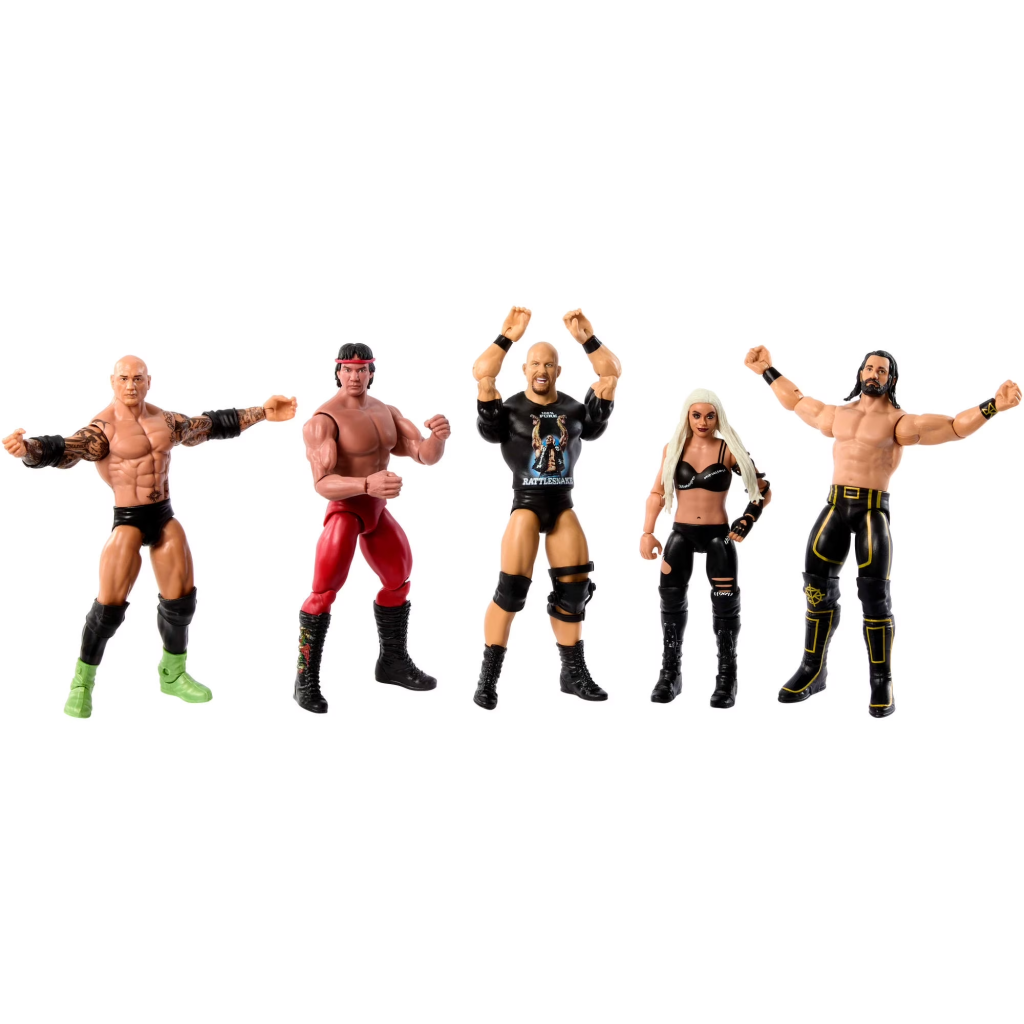
Posable figures are widely used across licensed entertainment franchises, anime collectibles, superhero merchandise, movie tie-ins, and designer toys. Depending on the project, figures may include interchangeable facial expressions, extra hands, weapons, clothing, magnetic accessories, or display stands, creating additional value for collectors and consumers.
Step 1: Create Your Design
Every successful action figure begins with a well-developed concept. At this stage, brands define the character’s identity, target audience, intended retail price, and desired level of articulation.
The complexity of the design directly affects tooling costs and production efficiency. Adding interchangeable heads, removable armor, soft PVC clothing, or multiple accessories increases both mold quantity and assembly requirements. Therefore, manufacturers often work closely with customers to optimize the design before entering production.
Step 2: Find a Professional Action Figure Manufacturer
Selecting the right manufacturing partner is one of the most important decisions in the customization process. A professional action figure manufacturer does much more than produce plastic parts—they provide engineering expertise that improves product quality, reduces production risks, and shortens development time.
An experienced manufacturer should offer complete OEM and ODM services, including product engineering, material recommendations, prototype development, mold manufacturing, injection molding, painting, pad printing, assembly, quality testing, and packaging.
For articulated figures, engineering capability is especially critical. The manufacturer must understand how different joint structures perform under repeated movement and recommend suitable materials for each component. Poorly designed joints may become loose, break easily, or create visible gaps that reduce the figure’s overall appearance.
Brands should also evaluate the factory’s production capacity, quality management system, safety certifications, and experience working with licensed products or collectible figures. A manufacturer with in-house mold making, automated painting equipment, and professional testing laboratories can better control product consistency throughout mass production.
Choosing an experienced factory early helps avoid costly redesigns and ensures smoother communication from concept to final delivery.
Step 3: 3D Modeling and Printing
Once the concept artwork has been approved, digital sculptors transform the two-dimensional design into a highly detailed 3D model using professional CAD and sculpting software.
Unlike decorative statues, the digital model for a posable action figure consists of multiple independent components. Every movable joint must be engineered with precise tolerances so that the assembled figure offers smooth articulation while maintaining sufficient friction to hold poses.
After completing the digital model, high-resolution 3D printers produce physical prototypes for engineering evaluation. These samples allow designers to verify proportions, articulation, accessory fit, and overall aesthetics before investing in expensive steel molds.
Several rounds of revisions are often completed before the design receives final approval.
Step 4: Create Prototype Samples
Before mass production begins, manufacturers produce pre-production samples using the final molds, materials, and decoration processes.
These prototype samples closely represent the finished retail product and allow customers to verify every aspect of the figure, including paint colors, articulation, assembly accuracy, accessory compatibility, surface finish, packaging fit, and overall appearance.
Engineers also conduct functional testing by repeatedly moving the joints to evaluate durability and friction. Figures are checked for balance, standing stability, paint adhesion, dimensional consistency, and compatibility between interchangeable parts.
This stage provides brands with the opportunity to request final adjustments before full-scale manufacturing. Minor refinements to paint masks, joint tightness, assembly methods, or packaging design can still be implemented without significantly affecting production schedules.
Only after receiving customer approval does the project move into mass production.
Step 5: Mold Making
After the prototype is confirmed, production enters one of the most important stages: mold manufacturing.
Injection molds are typically machined from hardened steel. Since posable action figures consist of numerous individual components, a single figure may require dozens of separate mold cavities for heads, torsos, arms, legs, hands, accessories, and joint mechanisms.
Although mold manufacturing represents one of the largest upfront investments in custom toy production, precision tooling ensures stable product quality, lower defect rates, and higher production efficiency throughout the life of the project.
Step 6: Mass Production
Mass production combines multiple manufacturing technologies into an efficient and highly controlled production process.
Plastic pellets are first injection molded into individual components using automated molding machines. After cooling, excess material is removed and every part undergoes an initial inspection before moving to surface decoration.
Painting is completed through a combination of automated spray painting, manual airbrushing, pad printing, and tampo printing, depending on the complexity of the graphics. High-end collectible figures often require multiple masking operations to achieve clean color separation and intricate facial details.
Following decoration, trained assembly technicians carefully install joints, connect body parts, attach accessories, and verify articulation performance. Throughout assembly, operators continuously inspect component fit, paint quality, and mechanical function to prevent defective products from advancing further down the production line.
A well-managed production system ensures that thousands or even hundreds of thousands of figures maintain consistent appearance, color accuracy, articulation, and structural integrity.
Step 7: Quality Control
Quality control is integrated throughout the entire manufacturing process rather than being limited to final inspection.
Incoming raw materials are tested to verify compliance with international safety standards and to ensure stable material performance. During production, inspectors monitor injection molding quality, painting consistency, joint assembly accuracy, and overall workmanship.
Finished products undergo comprehensive inspections that evaluate articulation performance, paint adhesion, scratch resistance, drop resistance, pull force, small parts security, color consistency, and packaging quality. For collectible figures, cosmetic inspection is especially important because even minor paint defects can affect customer satisfaction.
Manufacturers producing toys for international markets also conduct testing according to regulations such as CE, EN71, ASTM F963, CPSIA, REACH, and other customer-specific requirements. These testing procedures help ensure product safety while supporting successful market entry across different countries.
Strict quality management reduces defect rates, minimizes customer complaints, and protects both the manufacturer’s and the brand’s reputation.
Step 8: Packaging and Shipping
Packaging is the final stage before products reach retailers or consumers. Beyond protecting the figures during transportation, packaging plays a significant role in branding and customer experience.
Depending on the project, action figures can be packaged in window boxes, blister packs, gift boxes, collector boxes, blind boxes, or environmentally friendly paper packaging. Custom inserts, plastic trays, foam protection, instruction manuals, collector cards, and branded accessories can also be incorporated to enhance product presentation.
Professional manufacturers perform final packaging inspections to confirm barcode accuracy, printing quality, accessory completeness, carton labeling, and shipping configuration.
After packaging, products are carefully packed into export cartons and arranged on pallets or containers according to international shipping standards. Reliable logistics coordination ensures products arrive safely and on schedule, whether shipped by sea, air, or express delivery.
Weijun Toys: Your Trusted Posable Action Figure Manufacturer
With over 30 years of toy manufacturing experience, Weijun Toys provides complete OEM and ODM solutions for brands, distributors, retailers, promotional companies, and IP owners worldwide.
From concept development and 3D modeling to mold manufacturing, prototype sampling, injection molding, painting, assembly, quality inspection, packaging, and global shipping, every production stage is managed under one roof. This integrated manufacturing capability allows us to maintain consistent quality, competitive pricing, and reliable lead times for projects of all sizes.
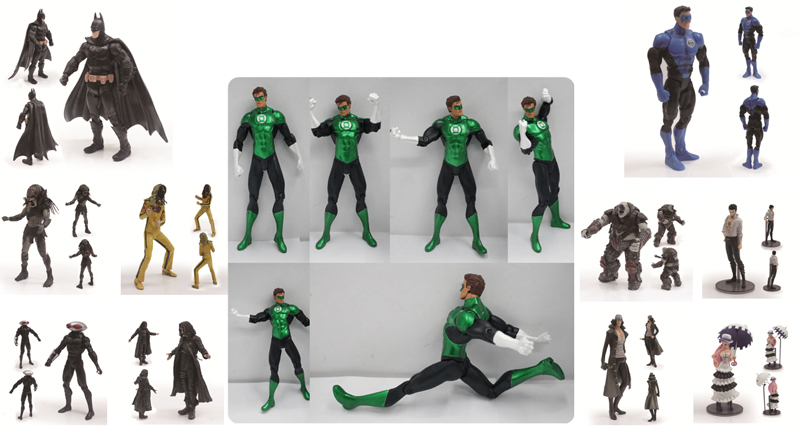
Whether you’re developing licensed collectibles, anime figures, superhero action figures, promotional products, or original designer collectibles, Weijun Toys has the expertise to transform your ideas into market-ready products that meet international quality and safety standards.
 2 Modern Factories 30 Years of Toy Manufacturing Expertise 200+ Cutting-Edge Machines Plus 3 Well-Equipped Testing Laboratories 560+ Skilled Workers, Engineers, Designers, and Marketing Professionals One-Stop Customization Solutions Quality Assurance: Able to Pass EN71-1,-2,-3 and More Tests Competitive Prices and On-Time Delivery










