
Plastic animal figures are popular across toy retail, educational products, wildlife collections, promotional campaigns, and children’s playsets. From realistic wildlife figurines to colorful miniature pets and fantasy creatures, these products appeal to a wide range of consumers and provide opportunities for brands to develop distinctive collections.
For businesses planning to launch or expand an animal figure range, choosing the right plastic animal figure manufacturer is a critical decision. This guide explores well-known plastic animal figurine brands, explains what to look for in a manufacturer, and provides practical advice for building a long-term partnership that supports sustainable business growth.
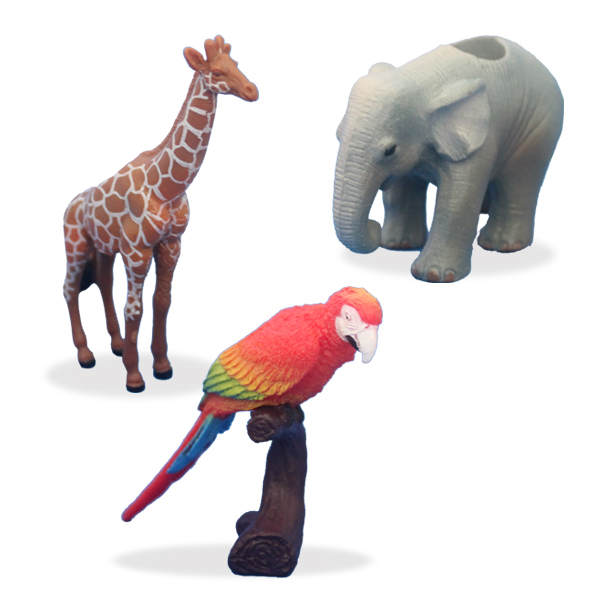
Top Plastic Animal Figurine Brands to Know
Understanding established plastic animal figurine brands can help buyers evaluate market positioning, product design, and customer expectations.
Schleich
Schleich is widely recognized for its realistic animal figurines, including wildlife, farm animals, horses, and dinosaurs. Its products emphasize recognizable anatomy, carefully sculpted details, and hand-painted finishes.
For businesses developing animal figures, Schleich provides a useful example of how consistent design quality and recognizable product styles can support a broad collection. Its animal figures also demonstrate the importance of accurate proportions, surface details, and cohesive product presentation.
Safari Ltd.
Safari Ltd. focuses on animal figures, dinosaurs, marine life, and other nature-inspired collectibles. Its products are often used for imaginative play, nature exploration, and educational activities.
Safari Ltd. illustrates how a manufacturer or brand can serve different customer needs through a broad selection of species and themes. For businesses planning an animal figure collection, offering varied species, sizes, and habitats can help appeal to toy retailers, educational suppliers, and collectors.
CollectA
CollectA is known for its extensive range of realistic animal models, including wildlife, horses, farm animals, and prehistoric creatures. Its collections demonstrate the commercial potential of combining detailed sculpting with a wide variety of animal species.
For buyers, CollectA is another reference for developing themed collections that appeal to animal enthusiasts and collectors. When creating a competing or complementary product line, businesses should focus on their own designs, target markets, and brand identity rather than simply replicating existing products.
What to Look for in a Plastic Animal Figure Manufacturer
Proven Experience and Industry Expertise
Manufacturing experience is one of the first factors to evaluate when choosing a plastic animal figure supplier. Experienced manufacturers are more likely to understand the technical challenges of producing detailed figurines, from sculpting and mold design to color application, assembly, and packaging.
Animal figures can vary significantly in complexity. A simple miniature farm animal may require relatively straightforward molding and decoration, while a realistic wildlife figure may involve intricate anatomical details, multiple colors, and several components. A manufacturer with relevant experience can help assess whether a design is practical for the target budget and production quantity.
Buyers should review the supplier’s product portfolio, manufacturing background, and experience serving similar industries. Ask about previous projects involving animal figurines, miniature collectibles, educational toys, or customized promotional figures. Samples and production references can help you evaluate whether the supplier’s capabilities match your expectations.
Check OEM and ODM Capabilities
OEM and ODM capabilities are particularly important for businesses that want to develop their own animal figure collections.
With OEM manufacturing, buyers provide their designs, artwork, or product specifications, and the manufacturer produces the figures according to the agreed requirements. This approach suits businesses that already have established characters, detailed 3D models, or a defined product range.
ODM services provide support with product development and design. An ODM manufacturer may help refine an initial concept, develop character models, recommend materials, and prepare designs for production. This can be valuable for businesses without an in-house product development team.
Before choosing a supplier, clarify what customization is available. Depending on the manufacturer’s capabilities, this may include animal species, poses, dimensions, colors, surface finishes, flocking, accessories, packaging, and branding. Confirm whether original designs require additional development or tooling costs and who will own the resulting intellectual property.
Material Options and Production Capabilities
The right material depends on the figure’s intended use, design complexity, target price, and expected production volume.
PVC is a common option for animal figurines because it supports detailed shapes, varied colors, and painted finishes. ABS is a rigid material that can be suitable for structural components and accessories. Other materials may be appropriate for specialized designs, depending on the manufacturing process and product requirements.
Beyond material selection, assess the manufacturer’s actual production capabilities. Ask whether it can manage mold development, molding, painting, pad printing, flocking, assembly, and packaging, either in-house or through qualified partners.
Production capacity also matters. If you plan to launch dozens of animal designs or place recurring bulk orders, the supplier should be able to explain its production arrangements, capacity planning, and lead times. A suitable partner should help balance product detail, manufacturing efficiency, and unit cost without compromising essential quality requirements.
Evaluate Quality Control and Compliance
Consistent quality is essential for plastic animal figures, particularly when products are sold through established retailers or distributed to children. Buyers should assess how the manufacturer controls raw materials, production processes, decoration, assembly, and finished goods.
For animal figurines, quality checks may include dimensions, anatomical details, surface defects, color accuracy, paint adhesion, component fit, and packaging condition. For figures with multiple parts, the manufacturer should also assess assembly quality and the security of attached components.
Product safety requirements depend on the intended age group and destination market. Buyers should discuss applicable testing and documentation with the supplier before production. Depending on the market and product, requirements may include relevant toy safety standards, chemical restrictions, and mechanical or physical safety testing.
Communication and Project Management
Clear communication helps prevent misunderstandings during product development and production. This is especially important when a project involves multiple animal species, color variations, packaging designs, or delivery deadlines.
A reliable supplier should provide clear quotations, explain technical limitations, respond to questions, and communicate changes that may affect cost or delivery. It should also establish a defined process for sample review, design revisions, production approval, and quality inspections.
Before placing a large order, discuss the expected development timeline, order quantity, packaging requirements, payment terms, and shipping arrangements. A manufacturer that manages these details professionally can help buyers reduce operational risks and plan future launches more effectively.
How to Build a Long-Term Partnership with a Manufacturer
Choosing a suitable supplier is only the beginning. Long-term success depends on establishing clear expectations, maintaining consistent quality, and developing an effective working relationship.
Set Clear Product Specifications and Expectations
Start each project with a written product specification. It should define the animal species, dimensions, poses, materials, colors, surface finishes, accessories, packaging, and other important requirements. Reference images, 3D models, color codes, and approved samples can help communicate expectations accurately.
For collections containing multiple designs, establish consistent standards across the range. This helps ensure that different figures share a compatible level of detail, finish, and overall quality. Clear specifications also make it easier to review samples and identify deviations before mass production.
Establish Transparent Pricing and Production Timelines
Discuss pricing and delivery schedules before confirming an order. Ask the manufacturer to clarify the costs associated with product development, mold making, sampling, materials, decoration, assembly, and packaging.
For new designs, tooling and sampling can affect both the initial investment and the development timeline. Agree on milestones for design approval, sample revisions, production, inspection, and shipment. If you plan seasonal launches, allow enough time for unexpected revisions and transportation.
Maintain Consistent Quality Standards
Once a sample is approved, use it as the reference for mass production. Keep the final specifications and any approved revisions documented so that the manufacturer has a clear standard to follow.
Regular quality reviews can help identify recurring issues and improve production efficiency over time. A long-term partnership should support continuous improvement rather than simply repeat the same order process.
Build Effective Communication and Feedback Processes
Maintain regular communication throughout development and production. Consolidated feedback, clear deadlines, and designated contacts can help resolve questions efficiently.
After each order, review product quality, delivery performance, and any production issues with the supplier. Sharing feedback constructively allows both parties to improve future projects and develop a more predictable workflow.
Why Choose Weijun Toys as Your Plastic Animal Figure Manufacturer
Weijun Toys provides professional OEM and ODM services for businesses developing customized plastic figures, animal figurines, and collectible toys. With more than 30 years of toy manufacturing experience, Weijun Toys supports projects from concept development and design refinement to sampling, mass production, and packaging.
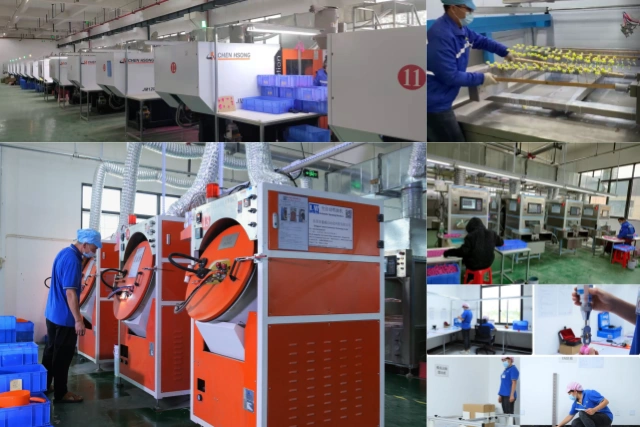
A key advantage is the ability to develop products around individual business requirements. Buyers can discuss animal species, poses, sizes, colors, surface finishes, flocking, accessories, and packaging according to their project needs. Businesses with existing designs can explore OEM production, while those developing original collections can discuss ODM design support.
Weijun Toys has produced toys for the Schleich brand, demonstrating experience working with an established name in the animal figurine market. For buyers evaluating potential suppliers, this experience provides a relevant reference when considering Weijun Toys for custom animal figure projects.
Whether you are developing realistic wildlife figures, miniature farm animals, flocked figurines, or a custom animal character collection, Weijun Toys can help assess the manufacturing options for your project.
 2 Modern Factories 30 Years of Toy Manufacturing Expertise 200+ Cutting-Edge Machines Plus 3 Well-Equipped Testing Laboratories 560+ Skilled Workers, Engineers, Designers, and Marketing Professionals One-Stop Customization Solutions Quality Assurance: Able to Pass EN71-1,-2,-3 and More Tests Competitive Prices and On-Time Delivery










