
Collectible designer toys have transformed from niche art pieces into a thriving global market that attracts collectors, designers, entertainment brands, retailers, and licensing companies. Combining artistic creativity with high-quality manufacturing, these toys are no longer viewed as simple playthings, they are lifestyle products, limited-edition collectibles, and powerful brand assets.
Driven by the popularity of blind boxes, art toys, and social media culture, more businesses are launching their own collectible toy lines to strengthen brand identity, monetize intellectual property, and engage loyal communities. Whether inspired by original artwork, licensed characters, mascots, or corporate branding, custom designer toys provide businesses with a unique way to connect with consumers.
What Are Collectible Designer Toys
Collectible designer toys, also known as art toys, vinyl toys, or designer figures, are limited-edition collectible products created by artists, designers, brands, or intellectual property owners. Unlike traditional children’s toys, designer toys emphasize artistic expression, unique aesthetics, storytelling, and exclusivity.
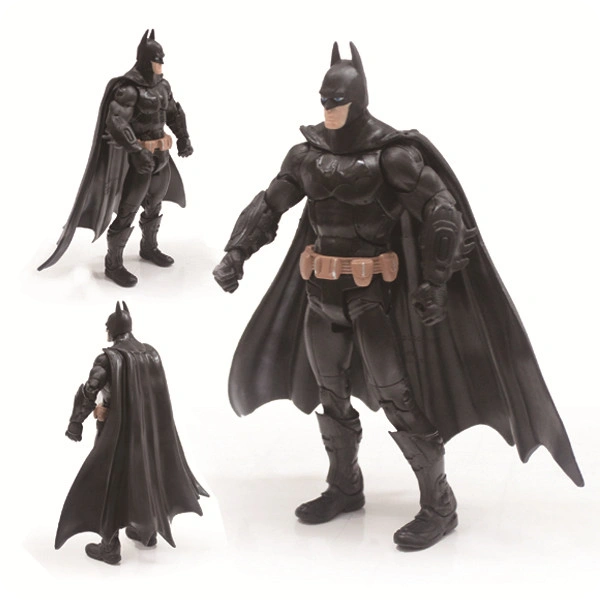
These collectibles are often produced in relatively small quantities, making them highly desirable among collectors. Many releases feature limited editions, numbered production runs, special colorways, chase variants, or artist collaborations, all of which increase their collectible value.
Today, collectible designer toys extend far beyond independent artists. Global entertainment companies, fashion brands, museums, lifestyle brands, and consumer product companies are increasingly developing their own collectible toy series as part of their branding and merchandising strategies.
Depending on the project, designer toys may take the form of vinyl figures, PVC figurines, resin sculptures, blind box collectibles, or hybrid products that combine multiple materials and surface finishes. Their versatility allows brands to create products that appeal to collectors while reinforcing brand identity.
Why Brands Are Developing Custom Designer Toys
Custom designer toys have become an effective marketing and branding tool because they create emotional connections between brands and consumers. Unlike traditional promotional products, collectible toys encourage long-term engagement through creativity, storytelling, and limited availability.
Many companies use designer toys to extend the commercial value of their intellectual property. Mascots, game characters, animation figures, brand ambassadors, and original artwork can all be transformed into premium collectibles that generate new revenue while increasing brand recognition.
The rise of blind box culture has further expanded market opportunities. Limited editions, chase figures, and seasonal collections encourage repeat purchases as collectors seek to complete entire series. This not only increases sales but also builds active fan communities that continue promoting the brand through social media and online marketplaces.
Designer toys also provide higher perceived value than many traditional promotional products. Consumers are often willing to pay premium prices for well-designed collectibles featuring high-quality materials, detailed paint applications, and exclusive packaging.
Material Selection for Collectible Designer Toys
Selecting the appropriate material is one of the most important decisions during product development. Each material offers different advantages in terms of appearance, durability, production cost, and manufacturing process.
Vinyl
Vinyl is one of the most iconic materials used for designer toys. Produced through rotational molding (rotocasting), vinyl figures are lightweight with hollow interiors and smooth, rounded surfaces. This manufacturing method allows designers to create oversized heads, exaggerated proportions, and soft curves that have become signatures of many famous art toy collections.
Vinyl also provides excellent paint adhesion and allows for matte, glossy, metallic, translucent, or soft-touch finishes. Because of its distinctive appearance and premium feel, vinyl remains a popular choice for high-end collectible figures and limited-edition art toys.
PVC and ABS
Many modern designer toys combine PVC and ABS to achieve the best balance between appearance and functionality. PVC is commonly used for visible exterior parts because it offers excellent detail reproduction and a slightly flexible texture that reduces the risk of breakage.
ABS plastic provides greater rigidity and dimensional stability, making it ideal for internal structures, articulated joints, bases, and accessories that require additional strength. By combining both materials, manufacturers can produce designer toys that are visually attractive while maintaining excellent structural performance.
This combination is especially suitable for blind box collectibles, action figures, and premium retail collectibles requiring consistent quality across large production volumes.
Resin
Resin is widely used for premium collectible sculptures, artist prototypes, and limited-edition releases. It captures extremely fine surface details and delivers sharp edges that are difficult to achieve with other materials.
Because resin production relies on silicone molds and manual casting, it is better suited for smaller production runs rather than mass manufacturing. Although more fragile than PVC or vinyl, resin offers outstanding visual quality and is often chosen for high-end collector pieces and artist-exclusive editions.
How to Custom Collectible Designer Toys
Creating a successful collectible designer toy requires close collaboration between designers, engineers, and manufacturers. Every production stage contributes to the final quality, functionality, and market appeal of the finished product.
The process begins with concept and character design. At this stage, brands define the toy’s artistic style, target audience, product positioning, and storytelling. Designers prepare detailed concept artwork showing multiple viewing angles, color schemes, facial expressions, accessories, and overall proportions. Since designer toys often represent a brand’s identity or intellectual property, considerable attention is given to creating a distinctive visual style that stands out in the marketplace.
Once the concept is approved, professional sculptors transform the artwork into a digital three-dimensional model using advanced sculpting software. During 3D sculpting and digital modeling, every surface, contour, texture, and proportion is refined while engineers simultaneously evaluate manufacturing feasibility. Wall thickness, assembly methods, mold draft angles, connection points, and structural stability are optimized to ensure the design can be produced efficiently without compromising its artistic appearance. If the toy includes interchangeable accessories or movable parts, these features are also engineered during this stage.
The digital design then moves into prototype development. High-resolution 3D printing technologies produce physical samples that allow designers and customers to evaluate the figure in real life. This stage verifies proportions, surface details, balance, assembly, paint layout, and overall presentation before investing in production tooling. Multiple prototype revisions are often completed until both artistic and engineering requirements are fully satisfied.
After prototype approval, manufacturers begin mold making, one of the most critical stages in the entire production process. Depending on the toy’s complexity, multiple molds may be required for separate body parts, accessories, bases, or interchangeable components. Experienced mold engineers carefully design runners, cooling channels, venting systems, and parting lines to improve production efficiency while minimizing defects such as flash, shrinkage, or deformation.
Once the molds are completed, production enters the manufacturing stage. Plastic materials are processed through injection molding or rotational molding depending on the selected material. Individual components then undergo production and decoration, where the figures receive spray painting, pad printing, tampo printing, hand painting, masking, metallic coatings, pearl finishes or gradient colors according to the product specifications. For premium collectibles, multiple painting stages are often required to achieve clean color separation and highly detailed facial expressions.
Finally, all components are assembled by skilled technicians. During assembly and packaging, accessories are installed, interchangeable parts are tested for proper fit, and each figure undergoes visual inspection before packaging. Premium collectible toys frequently include custom display bases, collector cards, certificates of authenticity, instruction manuals, blind box packaging, or limited-edition numbered labels that enhance the overall customer experience. Before shipment, every packaged product is inspected to ensure it meets both customer specifications and international quality standards.
A professional manufacturer oversees every stage to allow better quality control, faster communication, and more efficient project management from initial concept to final delivery.
Quality Standards for Collectible Designer Toys
Quality is one of the defining characteristics of premium collectible designer toys. Even minor paint imperfections or assembly issues can significantly affect collector satisfaction and brand reputation.
Professional manufacturers implement strict quality control throughout every production stage, beginning with raw material inspection and continuing through molding, painting, assembly, and final packaging. Components are checked for dimensional accuracy, surface quality, color consistency, paint adhesion, structural integrity, and proper assembly.
For products intended for international markets, compliance with recognized toy safety standards is equally important. Depending on the destination market, collectible toys may be tested according to CE, EN71, ASTM F963, CPSIA, REACH, and other applicable regulations. These tests verify that materials and coatings meet safety requirements while ensuring the products can be legally sold in their target markets.
In addition to safety testing, premium collectible figures often undergo cosmetic inspections to verify paint alignment, printing precision, and overall finish. Consistent quality helps protect both the manufacturer’s reputation and the long-term value of the brand’s collectible product line.
How to Choose a Reliable Designer Toy Manufacturer
Choosing the right manufacturing partner is essential for turning creative ideas into successful commercial products. An experienced designer toy manufacturer provides much more than production capacity, they contribute engineering expertise, material recommendations, manufacturing optimization, and quality management throughout the project.
When evaluating suppliers, brands should consider the manufacturer’s experience with collectible toys, mold-making capabilities, production equipment, quality management systems, and OEM/ODM services. Factories with in-house engineering teams can identify potential manufacturing issues early, reducing development time and avoiding costly modifications later in production.
Production capacity is another important consideration, particularly for brands planning retail launches or global distribution. Manufacturers equipped with advanced injection molding machines, automated painting equipment, and dedicated quality inspection laboratories are better positioned to deliver consistent quality while meeting demanding production schedules.
Finally, choose a manufacturer with extensive export experience and familiarity with international toy safety regulations. Strong communication, flexible customization capabilities, and reliable after-sales support are equally important for building long-term partnerships.
Weijun Toys: Your Trusted Collectible Designer Toy Manufacturer
With more than 30 years of toy manufacturing experience, Weijun Toys provides comprehensive OEM and ODM solutions for brands, artists, IP owners, retailers, distributors, and licensing companies worldwide.
We specialize in producing a wide range of collectible designer toys, including vinyl toys, PVC figures, ABS figures, blind box collectibles, art toys, mini figures, and promotional collectibles. From original character development to licensed merchandise, our experienced engineering and production teams help transform creative concepts into premium-quality products.
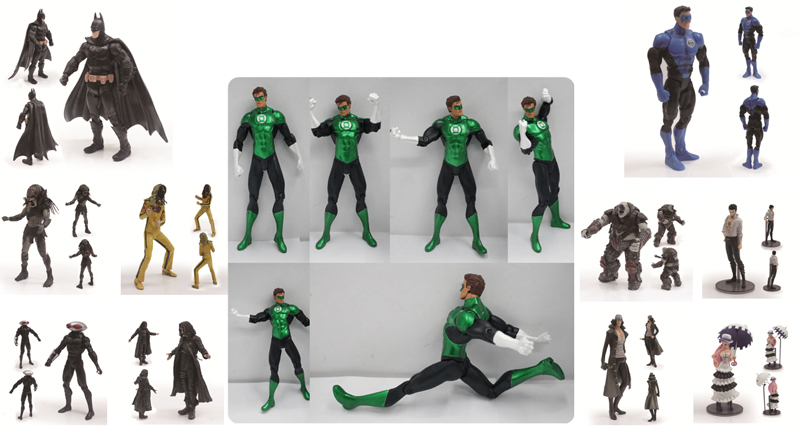
Our services cover the entire product development process, including concept optimization, 3D modeling, prototype development, mold making, injection molding, painting, assembly, custom packaging, and global logistics. Whether you’re launching a limited-edition art toy, a blind box series, or a premium collectible figure, Weijun Toys is committed to delivering products that meet international quality standards while bringing your creative vision to life.
 2 Modern Factories 30 Years of Toy Manufacturing Expertise 200+ Cutting-Edge Machines Plus 3 Well-Equipped Testing Laboratories 560+ Skilled Workers, Engineers, Designers, and Marketing Professionals One-Stop Customization Solutions Quality Assurance: Able to Pass EN71-1,-2,-3 and More Tests Competitive Prices and On-Time Delivery










