
Magnetic stuffed animals combine the softness of traditional plush toys with the added functionality of magnetic components. Depending on their design, these products can attach to suitable metal surfaces, hold small accessories, or connect with other magnetic elements. Their playful appearance and practical features make them appealing for brand merchandise, promotional gifts, retail collectibles, and character-based products.
What Are Magnetic Stuffed Animals
Magnetic stuffed animals are plush toys that incorporate magnets into specific parts of their design. Unlike conventional stuffed animals, which are primarily designed for cuddling and decoration, magnetic plush toys offer additional functionality through magnetic attraction.
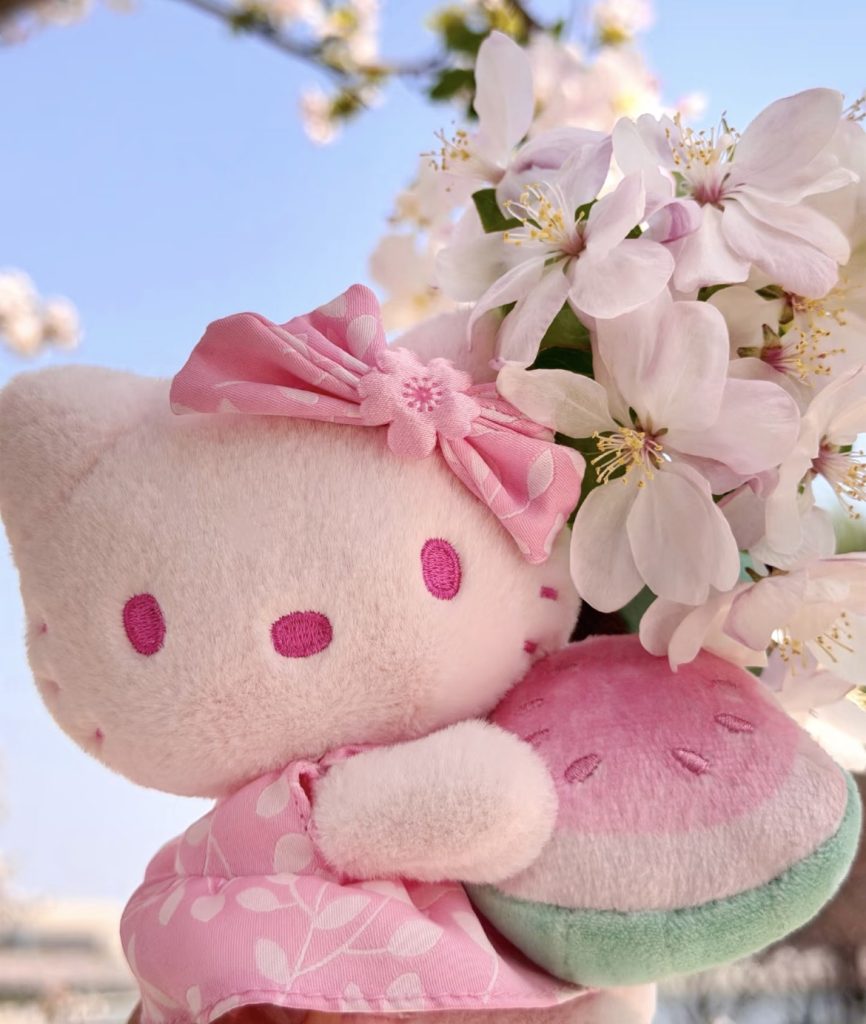
Depending on the intended application, magnets may be concealed inside the paws, feet, hands, body, or other designated areas. This allows the plush toy to attach to compatible metal surfaces, such as certain lockers, refrigerators, or office boards. Some designs use magnetic components to connect two plush characters or hold accessories together.
Magnetic plush toys can feature various characters, including animals, mascots, fantasy creatures, and original brand characters. Common styles include miniature plush animals, magnetic plush keychains, character accessories, and collectible plush figures.
Common Uses of Magnetic Stuffed Animals
Magnetic stuffed animals are suitable for a range of commercial applications because they combine a familiar plush appearance with a practical feature.
Brand merchandise and promotional gifts are common applications. Companies can turn mascots, logos, or signature characters into magnetic plush toys for product launches, marketing campaigns, customer appreciation programs, and corporate gifts. Small magnetic plush products can also serve as memorable branded accessories when designed for an appropriate use.
Retail collectibles and character merchandise offer another opportunity. Brands can develop collections featuring different animals, expressions, outfits, or seasonal themes. Magnetic elements may allow compatible characters to connect, adding an interactive dimension to collecting. Limited-edition designs and coordinated product series can also support themed retail displays.
Magnetic plush toys can also be developed as desk accessories, bag charms, and decorative items. Depending on their construction, some designs may attach to suitable metal surfaces or function as portable character accessories. The intended use should guide decisions about size, magnet placement, attachment hardware, and packaging.
Are Magnetic Plush Toys Safe for Kids
Safety is a critical consideration when developing magnetic plush toys, particularly products intended for children.
Although soft fabrics and plush filling may make these toys appear harmless, the magnetic components introduce additional risks. The primary concern is the possibility of magnets becoming detached or accessible. Therefore, magnet selection, enclosure, and retention are essential parts of the design process.
Manufacturers should evaluate how magnets are secured inside the toy, whether the surrounding fabric and stitching can withstand expected use, and whether the components could become exposed through pulling, bending, or repeated handling. Designs should also consider the possibility of wear and damage over time.
Age grading is equally important. Products intended for very young children may require different construction methods and stricter design precautions than decorative merchandise designed for adults. Small accessories, detachable components, and other potential hazards should be assessed alongside the magnets themselves.
Before mass production, the finished product should undergo appropriate testing based on its intended market, age group, materials, and functionality. Requirements may include relevant toy safety standards, mechanical and physical testing, and applicable chemical restrictions. For example, EN 71 may be relevant in European markets, while ASTM F963 and CPSIA requirements may apply to products sold in the United States, depending on the product and applicable regulations.
How to Customize Magnetic Stuffed Animals for Your Brand
Creating custom magnetic stuffed animals requires coordination between character design, plush construction, magnetic functionality, and brand presentation.
Choose Character Designs, Shapes, and Sizes
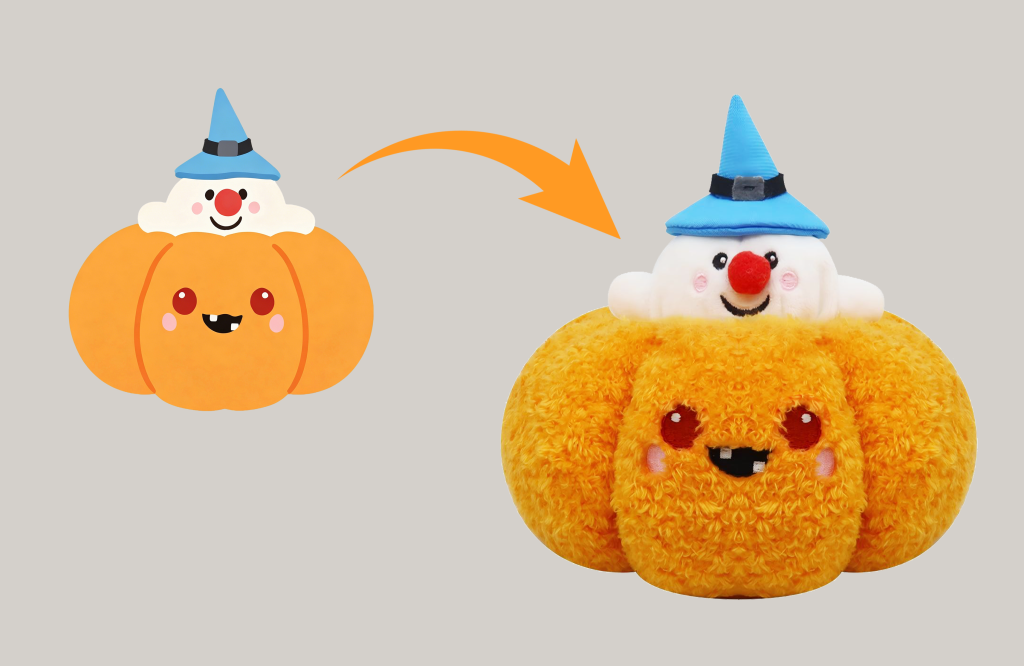
Start by defining the product’s purpose and target audience. Brands can provide existing artwork, sketches, character references, or product specifications. If the design is still at the concept stage, an experienced OEM/ODM manufacturer may help translate the idea into a manufacturable plush design.
Size and shape should reflect both appearance and functionality. Miniature magnetic plush toys are suitable for compact merchandise and some accessory applications, while larger designs may be more appropriate for display or gifting. The size and weight of the plush also influence the magnetic configuration required for its intended function.
Find a Reliable Plush Toy Manufacturer
Selecting the right manufacturer early can reduce design revisions and production risks. Look for a supplier with experience in custom plush development, sewing, embroidery, component integration, sampling, and quality control.
Magnetic plush toys require additional coordination because the magnets must be positioned accurately without compromising comfort, appearance, or durability. A manufacturer should be able to discuss practical construction methods and identify potential challenges before the prototype stage.
Select Plush Fabrics, Filling Materials, and Magnetic Components
Material selection affects the toy’s texture, appearance, durability, and production cost. Polyester fiberfill is commonly used as plush stuffing because it provides a lightweight, soft structure. The appropriate filling density depends on the character’s shape and whether specific areas need to maintain their form.
Magnetic components require separate consideration. Their type, dimensions, strength, and placement should match the product’s intended function. Magnets should be securely enclosed using an appropriate construction method. The design must account for the fabric, seams, filling, magnet housing, and expected handling conditions. Final material and component choices should be confirmed through prototyping and relevant safety assessments.
Customize Colors, Embroidery, and Accessories
Visual customization helps align the plush toy with a brand’s identity. Buyers can specify fabric colors, character expressions, embroidered eyes, facial details, logos, clothing, and decorative accessories. Embroidery is often useful for adding brand marks or facial features.
Brands should provide clear artwork, color references, logo files, and placement instructions wherever possible. During development, the manufacturer can help determine which details are best achieved through embroidery, printing, appliqué, or separate components.
Develop Prototypes and Test Magnetic Functionality
Before mass production, request a prototype to evaluate the product’s appearance, construction, and magnetic performance. The sample should be reviewed for dimensions, fabric texture, filling density, stitching quality, color accuracy, and the placement of magnetic components.
Magnetic functionality should be tested against the intended use. This may include checking whether the toy attaches securely to the specified type of surface or whether paired characters connect as expected. Performance can vary depending on the surface material, thickness, magnet position, and weight of the plush.
Prototype evaluation should also consider whether the magnets remain securely enclosed during appropriate durability and safety testing. Any issues with attachment strength, shape, comfort, or construction should be resolved before production approval.
Design Custom Packaging and Branding
Packaging helps communicate the product’s identity and supports its intended sales channel. For promotional merchandise, packaging may highlight the company logo, campaign theme, or character story. For collectible ranges, coordinated packaging can help distinguish individual designs while maintaining a consistent visual identity.
Packaging should also protect the plush toy during transportation and storage. Buyers should confirm labeling, product information, warnings, and other market-specific requirements with their manufacturer. If magnets are a safety consideration for the intended age group, relevant warnings and instructions should be addressed as required.
How to Care for Magnetic Stuffed Animals
Proper care helps maintain the appearance and functionality of magnetic stuffed animals. Because these toys contain both textile materials and magnetic components, cleaning methods should be selected according to the product’s construction.
For routine maintenance, use a soft brush or clean cloth to remove surface dust. Small stains may be treated with a damp cloth and mild cleaning solution, provided the fabric and decoration methods can tolerate the treatment. Avoid soaking or machine-washing the toy unless the manufacturer confirms that the complete product is suitable for that method.
Excessive moisture may affect internal components, seams, or adhesives, depending on how the toy is constructed. Strong heat, harsh chemicals, and aggressive scrubbing can also damage the fabric or decoration.
Inspect the toy periodically for loose stitching, damaged fabric, exposed components, or changes in magnetic functionality. If a magnet becomes accessible or the toy is significantly damaged, discontinue use, especially around children.
How to Choose a Reliable Magnetic Plush Toy Manufacturer
A reliable manufacturer should offer more than competitive pricing. Buyers need a partner capable of translating the design into a consistent, functional, and appropriately tested product.
- Evaluate OEM and ODM Customization Capabilities
OEM services are suitable for brands that already have designs, specifications, or approved artwork. ODM services may be more useful when a company needs assistance developing a character concept, selecting materials, or refining the product structure.
Ask whether the manufacturer can support the full development process, including pattern making, fabric selection, embroidery, accessory integration, magnetic component placement, sampling, packaging, and production. Experience with custom plush toys is valuable, but the supplier should also demonstrate an understanding of the additional requirements associated with magnetic functionality.
- Check Manufacturing Capacity and Quality Control
Production capacity affects a supplier’s ability to handle order volume and meet delivery schedules. Buyers should assess the manufacturer’s facilities, workforce, production processes, and experience with similar products.
Quality control should cover incoming materials, sewing, stuffing, decoration, component installation, finished-product inspection, and packaging. For magnetic plush toys, checks should also address magnet positioning, enclosure, and consistency of function.
Ask how the manufacturer manages sample approval, production specifications, defect handling, and final inspections. Clear procedures help reduce inconsistencies between approved samples and bulk orders.
- Verify Product Safety and Material Compliance
Request information about the materials used and the testing appropriate to the intended market. Depending on the product, this may include assessments of mechanical and physical hazards, flammability, chemical substances, and magnet-related risks.
Do not assume that a fabric certificate or a report for an individual component proves the finished toy is compliant. Confirm whether the test documentation applies to the actual product, its materials, its intended age group, and the relevant market requirements.
- Compare MOQ, Pricing, and Production Lead Times
When comparing suppliers, look beyond the quoted unit price. The total cost may include sampling, mold or tooling charges where applicable, customized accessories, packaging, testing, and shipping.
Minimum order quantities can vary according to the design, fabric, decoration method, and production process. Lead times also depend on design complexity, sample revisions, material availability, testing, and order volume.
Ask for a clear quotation that identifies what is included and confirms the expected sampling and production schedule. Comparing suppliers on the same specifications makes it easier to evaluate overall value and avoid unexpected costs.
Why Choose Weijun Toys for Custom Magnetic Stuffed Animals
Weijun Toys provides OEM and ODM toy manufacturing services for brands, retailers, wholesalers, and promotional companies. With more than 30 years of toy manufacturing experience, Weijun Toys supports product development from initial concepts to mass production, helping businesses create merchandise tailored to their markets and brand identities.

Its customization services cover character design, dimensions, colors, materials, decorative details, accessories, and packaging. For magnetic stuffed animal projects, specifications can be developed around the intended application, with material selection, component placement, prototyping, and testing requirements considered during the development process.
Product-specific safety and compliance requirements should be confirmed during project development. For magnetic plush toys, the final design, magnet enclosure, and relevant testing need to be evaluated according to the intended age group and destination market.
For brands planning a new magnetic plush collection, Weijun Toys can provide customization and manufacturing support to help turn product concepts into market-ready merchandise.
 2 Modern Factories 30 Years of Toy Manufacturing Expertise 200+ Cutting-Edge Machines Plus 3 Well-Equipped Testing Laboratories 560+ Skilled Workers, Engineers, Designers, and Marketing Professionals One-Stop Customization Solutions Quality Assurance: Able to Pass EN71-1,-2,-3 and More Tests Competitive Prices and On-Time Delivery










