
Mystery box figures have become a popular product category in the collectible toy market, attracting collectors, younger consumers, and fans of character-based merchandise. With their creative designs, limited-edition releases, and surprise-based purchasing experience, these collectibles offer brands an engaging way to connect with customers and encourage repeat purchases.
From cute animal characters and fantasy creatures to original designer toys and licensed figures, mystery box collectibles can be developed for a wide range of audiences and markets.
What Are Mystery Box Figures
Mystery box figures are collectible toys sold in sealed or opaque packaging that conceals the specific design inside. Customers know the collection’s general theme but do not know which character or variation they will receive until opening the box. This element of surprise distinguishes mystery box figures from conventional toys and makes each purchase a small collecting experience.

A typical collection includes multiple characters designed around a shared theme, such as animals, fantasy creatures, food-inspired characters, cartoon figures, or original designer toys. Each figure may feature different poses, expressions, colors, accessories, or decorative finishes. Some collections also include rare or secret editions, giving collectors an additional incentive to complete the set.
Mystery box figures are commonly made from materials such as PVC, vinyl, or resin, depending on the desired appearance, production requirements, and target market. They may be sold individually or as part of a larger collection through toy stores, specialty retailers, online shops, vending machines, and promotional campaigns.
Why Are Mystery Box Figures So Popular
One major reason for the popularity of mystery box figures is the excitement of discovering an unknown collectible. Unlike purchasing a specific toy, buying a mystery box introduces an element of anticipation. Customers may be curious about which character they will receive, whether they will find a rare design, or how close they are to completing a collection. This experience can make collecting more engaging and encourage customers to explore additional releases.
Collectibility is another important factor. A well-designed series gives each figure a clear identity while maintaining a consistent overall theme. Variations in character design, poses, accessories, and colors make individual figures interesting, while limited editions can add variety for dedicated collectors.
Visual appeal plays an equally important role. Many successful collectible figures feature distinctive silhouettes, expressive faces, imaginative concepts, and carefully developed color palettes. Cute animals, stylized food characters, fantasy creatures, and miniature versions of everyday objects can all become recognizable collectibles when supported by a coherent design style. Compact sizes also make many mystery box figures suitable for desks, shelves, display cabinets, and other small spaces.
How to Choose the Right Materials for Mystery Box Figures
Material selection directly affects the appearance, weight, durability, surface finish, production process, and cost of mystery box figures. PVC, vinyl, and resin are three materials worth considering when developing a custom collectible series.
PVC is widely used for mass-produced collectible figures because it supports detailed sculpting, varied shapes, and a broad range of colors and surface treatments. It is suitable for character figures, miniature animals, stylized mascots, and many other designs. Depending on the product specification, PVC figures can feature painted details, pad printing, flocking, or other decorative finishes.
Vinyl figures are often associated with designer toys and contemporary art collectibles. They can offer a smooth surface and a distinctive appearance that suits stylized characters, oversized heads, simplified forms, and expressive designs. Depending on the vinyl formulation and manufacturing method, figures can be produced with different levels of flexibility, weight, and surface texture.
Resin is suitable for highly detailed collectibles, small-batch designer figures, and premium display pieces. It can capture fine sculptural features and intricate surface details, making it attractive for products that prioritize craftsmanship and visual precision. However, resin figures can be more brittle than many plastic alternatives, and manual finishing may increase labor costs.
For many mass-market mystery box collections, PVC offers a useful balance of design flexibility and production scalability. Vinyl may be more appropriate for certain designer toy aesthetics, while resin can suit detailed, premium collectibles.
How to Design, Customize, and Manufacture Mystery Box Figures
Developing custom mystery box figures requires coordination between product design, engineering, tooling, decoration, packaging, and quality control. A clear process helps brands reduce avoidable revisions and maintain consistency across an entire collection.
Step 1: Define Your Collection Concept and Target Audience
Start by identifying the purpose of your mystery box series. Determine whether it is designed for collectors, children, lifestyle retailers, entertainment fans, or promotional campaigns. Your target audience will influence character styling, figure size, materials, price positioning, and packaging.
Next, establish a collection theme. For example, a brand could develop a series of forest animals, fantasy creatures, miniature food characters, or original mascots. Each figure should have its own distinctive features while remaining visually consistent with the collection. If you plan to introduce rare editions, define their design differences and intended quantities early in the planning process.
Brands using existing characters or licensed IPs should confirm that they have the necessary authorization before development and production.
Step 2: Customize Character Design and Figure Details
Once the concept is established, develop the character designs and determine how each figure will look in three dimensions. Key customization options include character shape, proportions, facial expressions, poses, colors, accessories, surface textures, and decorative details. The design should balance visual appeal with manufacturing feasibility.
Brands should also decide whether the collection will use a uniform size, different figure sizes, interchangeable accessories, or multiple finishes. Creating a design specification for each character makes it easier to communicate expectations and maintain consistency across the series.
Step 3: Develop 3D Models and Approve Prototypes
After the design direction is confirmed, the concept can be developed into a three-dimensional model. The 3D model allows the team to evaluate proportions, dimensions, component placement, and structural details before committing to production tooling.
A prototype or pre-production sample is then used to review the actual form and appearance. This stage is important because some design details that look good in a drawing may need adjustment when translated into a physical figure. Brands should examine the character’s proportions, surface quality, color accuracy, stability, assembly, and overall finish.
Any required changes should be recorded and approved before mass production. Confirming a final reference sample helps establish the quality standard that subsequent production units must follow.
Step 4: Select the Manufacturing Process and Produce the Figures
The manufacturing process depends on the selected material, design structure, and production quantity. Plastic figures may require injection molds, while vinyl and resin products can involve different forming, casting, or molding methods. The manufacturer should recommend a suitable process based on the approved design and technical requirements.
After tooling is completed and approved, production can proceed according to the agreed specifications. Depending on the design, this may include molding or casting, trimming, surface preparation, painting, pad printing, assembly, and other finishing operations. Multi-part figures and products with accessories may require additional assembly and inspection steps.
For mystery box collections, consistency across all characters is particularly important. Differences in color, facial details, dimensions, or finish can affect the perceived quality of the complete series. Clear production standards and appropriate inspection procedures help reduce these variations.
Step 5: Customize Mystery Box Packaging
Packaging is a core part of the mystery box experience because it conceals the figure and builds anticipation before opening. A typical package may include an outer box or sealed bag, a protective insert, a collection checklist, and product information. Brands can customize packaging with logos, collection artwork, character illustrations, colors, product names, and other brand elements. A consistent visual identity helps the series stand out on retail shelves and supports brand recognition.
Packaging information must be accurate and appropriate for the destination market. Where relevant, include required age grading, warnings, manufacturer or importer details, and other applicable labeling information. If the product is intended for children, small parts and potential choking hazards should be assessed according to the relevant product safety requirements.
Step 6: Conduct Quality Control Before Delivery
Quality control should be incorporated throughout the manufacturing process rather than left until the end. Depending on the product, inspections may cover material consistency, dimensions, color matching, printing accuracy, paint adhesion, assembly, surface defects, and packaging condition.
Brands should agree with the manufacturer on acceptance criteria before production begins. A pre-production sample, approved color references, and written specifications provide a consistent basis for evaluating finished products. Product safety testing should also be arranged as required for the target market and product category.
Before shipment, the manufacturer should verify that the figures, accessories, and packaging match the approved specifications. For mystery box products, brands should additionally confirm that the packaging provides the intended concealed presentation and that any collection information is accurate.
How to Choose a Reliable Mystery Box Figure Manufacturer
Choosing the right manufacturer can have a significant impact on product quality, development time, cost control, and the success of your collection. Brands should look beyond the quoted unit price and evaluate whether a supplier can support the full development process.
Assess Relevant Manufacturing Experience
A supplier familiar with collectible figures should understand character sculpting, mold development, color application, assembly, and the challenges of producing multiple designs within one series. Ask to review examples of comparable products and discuss how the supplier handles complex details or multiple figure variations.
Evaluate OEM and ODM Capabilities
OEM services are suitable when you already have designs and need a manufacturer to produce them according to your specifications. ODM services can help when you need support developing characters, refining concepts, or turning an initial idea into a manufacturable product. A supplier offering both services can support different levels of customization.
Clarify Pricing, Minimum Order Quantities, and Lead Times
Request a quotation that explains the main cost components, including tooling, sampling, unit production, decoration, packaging, testing, and shipping where applicable. Confirm whether different figures require separate molds and how changes to approved designs may affect cost or delivery schedules.
Review Quality Management and Compliance Support
Ask how the manufacturer checks materials, dimensions, painting, assembly, and packaging. If the figures are intended for children or regulated retail markets, clarify which tests and documents are needed and who will arrange them. Do not assume that a generic certificate automatically covers every product or destination market.
Assess Communication and Project Management
A reliable partner should provide clear specifications, explain technical limitations, communicate progress, and obtain approval at important milestones. Consistent communication is especially valuable when developing a collection with multiple characters, finishes, or packaging variations.
Why Choose Weijun Toys for Custom Mystery Box Figures
Weijun Toys provides OEM and ODM services for businesses developing custom collectible figures and character-based toys. With more than 30 years of toy manufacturing experience, Weijun Toys supports customers from concept development and product customization through sampling, mass production, packaging, and delivery.
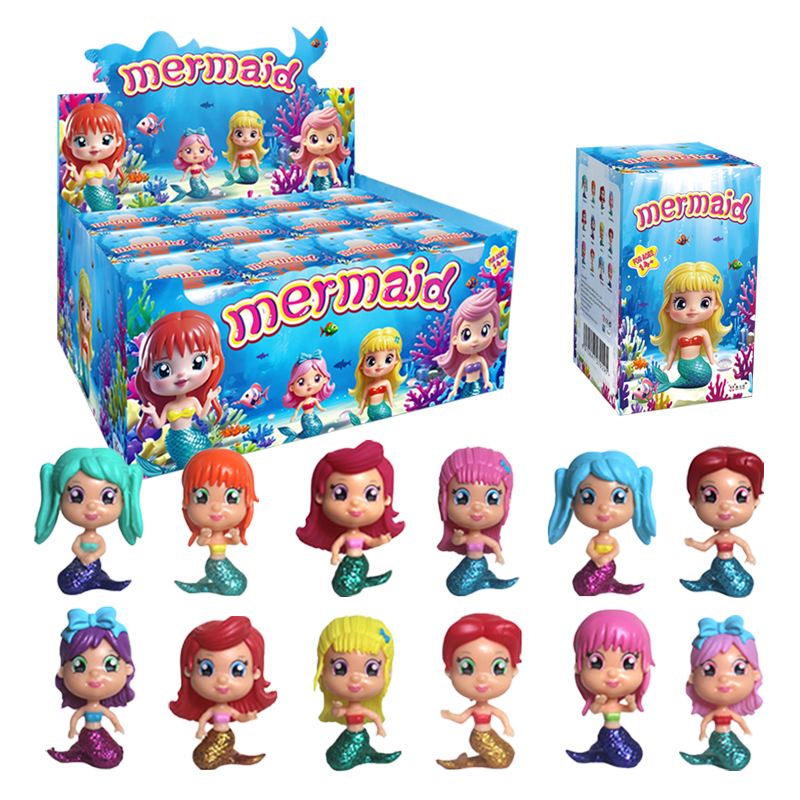
For brands creating mystery box figure collections, customization can cover character designs, shapes, dimensions, colors, accessories, surface finishes, and packaging. Whether you are developing cute animal figures, original mascots, miniature collectibles, or themed character series, product specifications can be tailored to your concept and target market.
Weijun Toys also offers a one-stop development approach, helping customers coordinate design requirements, prototypes, production details, finishing, and packaging. This can simplify communication for brands that need multiple figures to share a consistent style and quality standard. Before production, customers can review samples and confirm key product details to help align the finished figures with their expectations.
 2 Modern Factories 30 Years of Toy Manufacturing Expertise 200+ Cutting-Edge Machines Plus 3 Well-Equipped Testing Laboratories 560+ Skilled Workers, Engineers, Designers, and Marketing Professionals One-Stop Customization Solutions Quality Assurance: Able to Pass EN71-1,-2,-3 and More Tests Competitive Prices and On-Time Delivery










