
Realistic animal figures combine accurate anatomy, lifelike proportions, detailed sculpting, and carefully applied colors and textures to recreate the appearance of real animals in a compact collectible or educational format. From wildlife and farm animals to marine species and prehistoric creatures, these figures are widely used as educational toys, collectibles, souvenirs, promotional products, and themed merchandise.
What Are Realistic Animal Figures
Realistic animal figures are three-dimensional models designed to reproduce the physical characteristics and appearance of real or scientifically reconstructed animals. Compared with highly stylized or cartoon animal toys, realistic figures generally focus more on anatomical accuracy, natural proportions, recognizable body structures, facial features, skin or fur textures, and lifelike coloration.
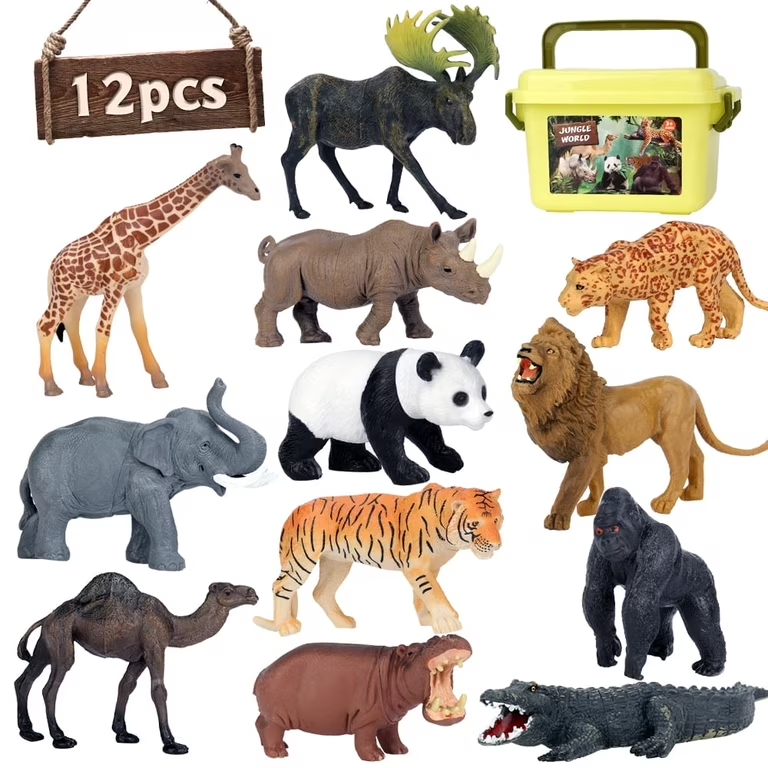
Depending on the intended application, the level of realism can vary considerably. Educational animal figures may prioritize accurate anatomy and species identification, while collectible figures may place greater emphasis on sculpting details, realistic textures, painting, and overall visual presentation. For younger children, manufacturers may simplify certain details while maintaining recognizable animal characteristics and appropriate safety requirements.
Realistic animal figures can be produced in many sizes, from miniature figures designed for blind boxes, capsule toys, playsets, and Easter egg fillers to larger collectible models and display pieces. They can also be developed as individual figures, themed sets, educational collections, or complete product series.
Popular Types of Realistic Animal Figures
Realistic animal figures cover a broad range of species and themes, allowing retailers, educational institutions, museums, zoos, and promotional companies to develop products for different audiences.
Wild & Safari Animals
Wild and safari animal figures are among the most recognizable categories of realistic animal toys. Popular designs include lions, tigers, elephants, giraffes, zebras, rhinoceroses, gorillas, cheetahs, crocodiles, and various other African and Asian wildlife species.
These figures are commonly used for educational playsets, wildlife collections, zoo merchandise, children’s learning products, and collectible series. Realistic details such as animal posture, facial structure, fur texture, stripes, spots, and natural coloration can make the figures more visually engaging and educational.
Farm & Domestic Animals
Farm and domestic animal figures include horses, cows, pigs, sheep, goats, chickens, dogs, cats, and other familiar animals. These figures are particularly suitable for farm-themed playsets, educational products, miniature dioramas, and children’s role-play toys.
Because many of these animals are familiar to children, realistic figures can also help introduce basic concepts about animal species, habitats, farming, and everyday life.
Marine and Aquatic Life
Marine and aquatic animal figures recreate species such as sharks, whales, dolphins, sea turtles, octopuses, seals, rays, and various fish. Their unusual body structures and distinctive textures create many opportunities for detailed sculpting and painting.
Marine animal figures are often used in educational collections, aquarium merchandise, ocean-themed playsets, and collectible products. Depending on the design, manufacturers can reproduce features such as fins, scales, shells, tentacles, and distinctive patterns.
Prehistoric / Dinosaurs
Dinosaur figures are another major category within realistic animal figures. Popular designs include Tyrannosaurus rex, Triceratops, Velociraptor, Stegosaurus, Brachiosaurus, and other prehistoric creatures.
High-quality dinosaur figures often combine scientific references with commercial design considerations. Details such as body proportions, teeth, claws, skin texture, scales, and coloration can be carefully developed to create a more convincing appearance while maintaining durability and manufacturability.
Mythical and Fantasy Animals
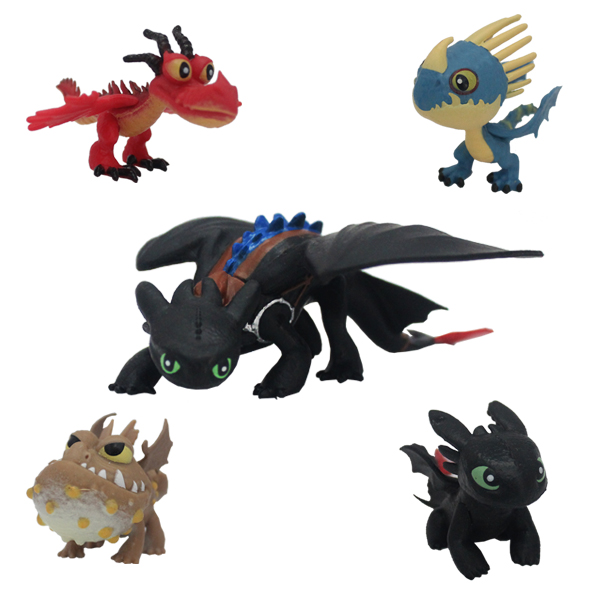
Not all realistic-style animal figures need to represent existing species. Mythical and fantasy creatures such as dragons, unicorns, and other fictional animals can also be designed with realistic anatomy and detailed textures.
This category is particularly attractive for fantasy merchandise, collectible figures, themed gifts, and entertainment-related products. A manufacturer can combine realistic animal characteristics with original creative elements to develop unique characters and product lines.
Top 3 Realistic Animal Figure Brands
Several established brands have helped popularize realistic animal figures by focusing on detailed sculpting, species variety, educational value, and collectible quality.
Schleich
Schleich is a well-known German toy brand recognized for its detailed animal figures and themed playsets. Its product range includes wildlife, farm animals, horses, dinosaurs, and fantasy creatures. The brand is particularly known for combining recognizable animal characteristics with durable toy construction, making its products popular for both play and collecting.
Safari Ltd.
Safari Ltd. is an American company known for educational and collectible animal figures covering wildlife, dinosaurs, marine life, insects, and other subjects. Its products are widely used for imaginative play and educational activities, with an emphasis on realistic representations and learning through play.
CollectA
CollectA is a British brand specializing in detailed animal and dinosaur figures. Its collections include mammals, marine animals, farm animals, prehistoric creatures, and other species. The brand places strong emphasis on realistic sculpting and species diversity, making it a useful reference for businesses researching the realistic animal figure market.
Why Are Realistic Animal Figures Popular
The popularity of realistic animal figures comes from their combination of educational value, visual appeal, collectibility, and imaginative play. Unlike generic toy characters, realistic animal figures can help children recognize different species and learn about their physical characteristics, habitats, and behaviors.
They are also highly suitable for themed collections. A retailer, museum, zoo, or educational brand can create a complete series featuring animals from a particular habitat, geographic region, ecosystem, or historical period. For example, a wildlife collection can include African safari animals, while an educational series can focus on marine life or endangered species.
From a commercial perspective, realistic animal figures also provide strong opportunities for product differentiation. Businesses can customize species, poses, colors, sizes, packaging, and accessories to create exclusive collections. Small realistic figures can work well as impulse purchases, capsule toys, collectibles, and playset components, while larger figures can be positioned as premium merchandise or display products.
How to Create Custom Realistic Animal Figures
Creating custom realistic animal figures requires more than simply reproducing an animal image in three dimensions. The design must balance realistic appearance, structural stability, material properties, production methods, cost, and safety requirements.
Define the Concept and Design
The first step is to determine exactly what animal or creature the product will represent. Brands should provide reference images, illustrations, sketches, existing models, or detailed descriptions whenever possible. For realistic products, references from multiple angles are particularly useful because they help designers understand the animal’s anatomy, proportions, facial structure, limbs, tail, ears, horns, wings, and other defining features.
The intended use should also be considered at this stage. A collectible figure may require a higher level of sculpting detail, while an educational toy may prioritize durability and easy handling. Size, target age, expected quantity, price range, and packaging requirements should also be established before detailed development begins.
Select the Material and Production Method
Material selection has a direct impact on the appearance, durability, flexibility, detail reproduction, production cost, and suitable manufacturing process.
PVC is one of the most widely used materials for commercial animal figures because it offers a good balance of durability, detail reproduction, cost efficiency, and production flexibility. It can be used for small animal figures, playsets, collectibles, and promotional products.
The manufacturing method should be selected alongside the material. Injection molding is widely used for high-volume PVC production. The right combination depends on the figure’s size, structure, complexity, production volume, and target price.
Develop the 3D Model and Prototype
After the concept is confirmed, designers create a detailed 3D model. The model defines the animal’s proportions, pose, facial expression, surface details, accessories, and overall dimensions. At this stage, engineers also evaluate whether the design can be manufactured efficiently.
A physical prototype may then be created using 3D printing or another suitable prototyping method. The prototype allows the buyer and manufacturer to evaluate the figure from all angles before investing in production tooling. For realistic animal figures, this is an important stage for checking anatomical proportions, stability, sculpting details, and the overall similarity to the approved concept.
Review and Approve the Sample
The prototype or pre-production sample should be carefully reviewed before mass production. Buyers should check the overall shape, dimensions, animal proportions, pose, facial details, colors, surface textures, accessories, and branding elements.
For products intended for commercial sale, this stage is also the right time to confirm packaging dimensions, product labeling, safety requirements, and any final design changes. Once the sample is approved, it becomes an important reference standard for subsequent mass production and quality control.
Develop the Mold
Once the design has been finalized, the manufacturer develops the production tooling. For injection-molded animal figures, steel molds are commonly used because they provide durability, dimensional stability, and long service life for high-volume production.
Engineers determine suitable parting lines, gates, ejector positions, wall thickness, draft angles, and other mold structures according to the figure’s design. Complex animals may need to be divided into multiple components, especially when they contain thin legs, tails, horns, wings, accessories, or other detailed structures.
Mass Production, Painting, and Finishing
During mass production, the selected material is processed using the appropriate molding method. After molding, excess material and gates are removed, and components are cleaned and prepared for finishing.
Painting is particularly important for realistic animal figures because subtle color differences can significantly affect their appearance. Manufacturers may apply base colors, detailed patterns, stripes, spots, facial features, eyes, and other markings through spray painting, pad printing, or manual detailing. Depending on the product design, flocking can also be used to create a soft, fur-like surface on selected areas.
After painting and surface finishing, separate components are assembled. The manufacturer checks the alignment and fit of parts such as legs, tails, heads, wings, bases, or accessories to ensure the finished figure matches the approved sample.
Quality Control and Safety Testing
Before shipment, finished figures should undergo systematic quality inspection. Inspectors typically evaluate dimensions, molding quality, surface defects, color consistency, printing, paint application, assembly, and overall appearance.
For children’s products, applicable safety requirements should also be considered. Depending on the target market and product category, requirements may include EN71, ASTM F963, CPSIA, CE, and REACH, as applicable. Testing may cover materials, coatings, small parts, mechanical properties, and other relevant safety characteristics.
Benefits of Custom Realistic Animal Figures for Businesses
Custom realistic animal figures allow businesses to develop products that are specifically aligned with their brand, market, or target audience. Instead of selecting from standard designs, buyers can create unique animal species, poses, color schemes, sizes, accessories, and packaging.
For retailers and wholesalers, customized figures can help create exclusive product collections that differentiate their offerings from competitors. A zoo, museum, aquarium, wildlife organization, or educational brand can also develop figures representing specific animals or themed collections related to its identity.
Customization can further support different price points. A business may develop miniature PVC figures for affordable impulse purchases while creating larger, more detailed figures as premium collectibles. The same character or animal concept can also be extended into blind boxes, capsule toys, playsets, keychains, plush products, or other merchandise.
Custom packaging provides another branding opportunity. Businesses can add logos, educational information, species names, storytelling elements, collection numbers, or other graphics to create a more complete retail experience.
Key Factors When Choosing a Reliable Animal Figure Manufacturer
Choosing the right manufacturer is essential when developing realistic animal figures, particularly for businesses placing large orders.
Experience with animal figure manufacturing should be one of the first considerations because realistic figures require specialized knowledge in sculpting, molding, painting, assembly, and quality control.
Production capability is equally important. A manufacturer should have suitable molding equipment, painting and printing capabilities, assembly capacity, prototyping support, and quality inspection systems. This is especially important when the project includes multiple animal designs or requires consistent production across a large collection.
Buyers should also evaluate the manufacturer’s customization capabilities. A capable OEM/ODM partner should be able to work from sketches, reference images, 3D files, or original concepts and provide support throughout design development, prototyping, mold making, production, packaging, and delivery.
Safety compliance, MOQ, lead time, communication, and export experience should also be reviewed before placing a bulk order. Most importantly, businesses should request and evaluate a sample before confirming mass production. A professional supplier should be able to provide a clear production process and maintain consistency between the approved sample and final products.
Why Choose Weijun Toys for Custom Realistic Animal Figures
Weijun Toys is a professional toy manufacturer with 30+ years of toy manufacturing experience, providing OEM and ODM services for businesses worldwide. Our capabilities cover PVC figures, vinyl toys, ABS plastic toys, collectible figures, plush toys, action figures, blind box collectibles, keychains, capsule toys, and other customized promotional products.
For realistic animal figures, Weijun Toys supports the complete manufacturing process from concept development and 3D prototyping to mold making, mass production, painting, pad printing, flocking, assembly, quality inspection, packaging, and delivery. This integrated approach helps businesses manage their projects through a single experienced manufacturing partner.
Weijun Toys also provides flexible customization for size, shape, colors, poses, surface finishes, packaging, and branding. Whether you are developing realistic wildlife figures, farm animals, marine creatures, dinosaurs, or original fantasy animals, our OEM/ODM team can help turn your concept into a production-ready product.
 2 Modern Factories 30 Years of Toy Manufacturing Expertise 200+ Cutting-Edge Machines Plus 3 Well-Equipped Testing Laboratories 560+ Skilled Workers, Engineers, Designers, and Marketing Professionals One-Stop Customization Solutions Quality Assurance: Able to Pass EN71-1,-2,-3 and More Tests Competitive Prices and On-Time Delivery










