
Mini collectible toys have become an increasingly popular category in the global toy and collectibles market. Their compact size, accessible price, distinctive character designs, and strong collectible appeal make them attractive to both consumers and brands.
From miniature character figures and food-themed collectibles to blind box toys and licensed merchandise, mini collectibles offer brands an effective way to turn creative concepts into products that encourage repeat purchases and collection.
What Are Mini Collectible Toys
Mini collectible toys are small-scale toys or figures designed primarily for collecting, displaying, trading, or character-based play. They can represent animals, people, fictional characters, food, objects, mascots, or original brand IPs and are usually designed with a strong emphasis on visual identity and collectibility.
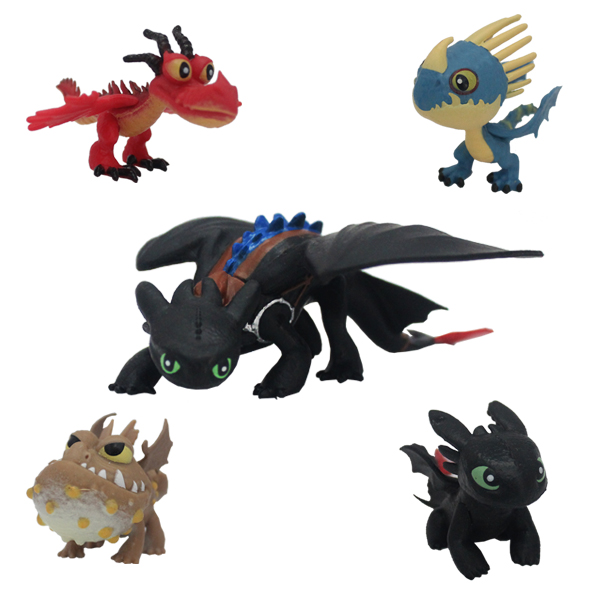
Their compact format gives brands several commercial advantages. Mini collectibles generally require less material than larger figures, occupy less retail and storage space, and can be sold in a variety of formats. They can be offered individually, as multi-piece sets, in blind boxes, in capsule packaging, or as promotional products.
6 Popular Mini Collectible Toys Loved by Collectors
The popularity of miniature collectibles can be seen across both traditional toy brands and the designer toy market. Different products have helped shape consumer expectations for character design, packaging, series collecting, and miniature product development.
LEGO Minifigures are among the most recognizable miniature character products. Their standardized scale and highly recognizable design language have made them popular with both children and adult collectors. Their success demonstrates how a consistent miniature format can support an extensive character universe.
ZURU 5 Surprise Mini Brands combines miniature replicas with a surprise-based collecting experience. The concept focuses on reproducing familiar consumer products in miniature form, demonstrating how everyday objects can be transformed into collectible products through scale, packaging, and series design.
MGA’s Miniverse (Make It Mini) takes miniature collectibles in a different direction by focusing on miniature food, lifestyle objects, and DIY-style experiences. The products show how miniatures can combine collecting with creativity and interactive engagement.
Disney Doorables uses small Disney characters and a surprise-opening experience to encourage collecting. Its character-focused approach demonstrates the commercial potential of combining recognizable IP with small-format collectibles and series-based packaging.
Funko Bitty Pop! adapts the recognizable Funko Pop aesthetic into a much smaller format. The product line demonstrates how reducing an established character figure to miniature scale can create a new collectible category while maintaining the visual identity of the original brand.
POP MART’s Pop Beans represents the designer collectible trend, where compact character designs, series concepts, and collectible culture work together to create strong consumer engagement. This segment highlights how original characters and distinctive design styles can become valuable collectible IPs.
These examples also show that successful mini collectible toys are not defined by size alone. Character design, series planning, packaging, storytelling, rarity, and brand identity can all contribute to a product’s collectible value.
What Materials Are Used to Make Mini Collectible Toys
Material selection plays an important role in determining the appearance, durability, production method, and cost of a mini collectible toy.
PVC is one of the most widely used materials for small collectible figures. It offers good durability, flexibility, and moldability, making it suitable for characters with rounded forms, detailed features, and different surface finishes. PVC is particularly suitable for mass-produced mini figures because it can reproduce consistent shapes and support detailed painting.
ABS is a rigid plastic known for its strength and dimensional stability. It is often used for structural components, bases, accessories, and parts that require greater rigidity. For some products, PVC and ABS can be combined to achieve an appropriate balance between flexibility and structural strength.
Vinyl is another popular material for collectible figures, especially products with distinctive shapes and smooth surfaces. Vinyl can provide a premium visual appearance and is often associated with designer toys and character collectibles.
Resin is commonly used for prototypes, highly detailed collectibles, art toys, and smaller production runs. It can capture fine details effectively, although its production characteristics differ from those of mass-produced injection-molded plastics.
For products requiring a softer or more flexible texture, materials such as TPR and other flexible compounds may also be considered. The appropriate material ultimately depends on the figure’s design, size, intended use, production quantity, target price, and desired surface finish.
How to Custom Mini Collectible Toys for Your Brand
Custom mini collectible toy production requires close coordination between creative design and manufacturing engineering.
Define Your Concept and Design
Every successful mini collectible begins with a clear product concept. Brands should first determine what the toy represents, who the target audience is, and how the product will fit into the overall brand or character strategy.
The concept may be based on an original character, brand mascot, animal, food, lifestyle object, fantasy creature, or licensed IP. At this stage, the brand should establish the overall visual direction, character personality, pose, proportions, color palette, and collection theme.
Find a Professional Toy Manufacturer
Selecting the manufacturer early in the development process can improve the efficiency of the entire project. Instead of completing a design without considering production requirements, brands can work with an experienced manufacturer from the concept stage.
A professional toy manufacturer can evaluate the proposed design, recommend suitable materials and production methods, estimate tooling requirements, and identify potential manufacturing risks. This early collaboration is particularly useful for miniature toys because small design changes can have a significant effect on mold complexity and production cost.
For brands with existing artwork, the manufacturer can provide OEM support to transform the approved design into a production-ready product. For customers with only a concept or rough idea, a professional partner may provide additional design and product development assistance.
Choose the Material and Size
Brands should consider the figure’s dimensions, weight, flexibility, surface texture, durability, and intended display environment. PVC may be suitable for flexible character designs, while ABS can provide additional rigidity for structural components. Resin may be considered for highly detailed prototypes or limited production.
Size also influences the manufacturing process. Smaller figures require manufacturers to carefully evaluate details such as facial features, hair, fingers, accessories, and decorative elements. The goal is not simply to make a figure smaller, but to maintain its visual impact and recognizable characteristics at the selected scale.
Develop 3D Models and Samples
After the concept and specifications are confirmed, the design is converted into a three-dimensional model. 3D modeling is an essential stage because it translates the two-dimensional artwork into an actual production structure.
The 3D model should reflect not only the character’s appearance but also practical manufacturing requirements. Designers need to consider proportions, part separation, wall thickness, assembly points, moldability, and the relationship between different components.
Once the digital model is approved, a physical prototype can be created, often through 3D printing or another suitable prototyping method. The sample allows the brand to evaluate the actual size, proportions, surface details, pose, and overall appearance.
Create Molds and Begin Mass Production
After the prototype is approved, the manufacturer develops the production molds. Depending on the design, a mini collectible may consist of several molded components. Complex figures can require multiple molds for the body, accessories, base, or other elements. Proper mold engineering helps ensure that small details are reproduced accurately and that components can be released from the molds efficiently.
Once the molds are completed and tested, mass production can begin. For injection-molded products, the selected plastic material is heated and injected into the molds under controlled conditions. After cooling, the molded components are removed for subsequent processing.
Apply Painting and Printing
Painting and printing transform molded components into recognizable finished characters. After molding, parts are prepared and cleaned before receiving the required base colors and decorative details.
Depending on the design and order volume, manufacturers may use automated painting equipment, pad printing, spray painting, or manual painting techniques. Automated processes are effective for maintaining consistency across high-volume production, while skilled manual work may be required for complex or extremely small details.
Assembly and Quality Control
After painting and printing, individual components are assembled into the final mini collectible. Assembly may include attaching heads, bodies, accessories, bases, decorative elements, or other components. Because miniature toys contain small parts and fine details, assembly requires careful control. Components need to fit correctly, remain securely attached, and maintain the approved appearance.
Quality control should be performed throughout the manufacturing process rather than only at the end. Manufacturers can inspect raw materials, molded components, painted parts, assembled products, and final packaging to identify potential issues as early as possible.
Final inspection may evaluate color consistency, surface quality, dimensions, assembly, paint adhesion, accessory completeness, and overall appearance. For products intended for specific markets or age groups, appropriate safety and compliance testing should also be considered.
Packaging and Delivery
Packaging is an important part of the mini collectible experience because these products are often purchased as gifts or collectibles. Brands can develop packaging that matches their visual identity and product positioning.
Depending on the sales strategy, options may include individual poly bags, backing cards, printed boxes, window boxes, display packaging, capsule packaging, or blind box formats. For collectible series, packaging can also communicate character information, collection themes, rarity, or series numbers.
Before shipment, finished products should be securely packed to minimize the risk of scratches, paint damage, deformation, or component loss during transportation. An experienced manufacturer can coordinate packaging and bulk shipping according to the brand’s requirements and destination market.
How to Choose a Reliable Mini Collectible Toy Manufacturer
Choosing the right manufacturer is essential for turning a creative concept into a commercially successful mini collectible toy. Brands should look beyond basic production capacity and evaluate the manufacturer’s ability to support the entire product development process.
Manufacturing experience is particularly important. A supplier with experience in PVC figures, ABS toys, vinyl collectibles, and other small-format products is more likely to understand the challenges associated with miniature designs.
OEM and ODM capabilities are also valuable. A reliable partner should be able to support design development, 3D modeling, prototyping, mold making, production, painting, assembly, quality inspection, and packaging. Working with one integrated supplier can reduce communication problems and improve project efficiency.
Brands should also evaluate quality control systems, testing capabilities, production equipment, communication processes, and previous experience with international customers. Samples and factory capabilities should be reviewed before placing a large production order.
Most importantly, the manufacturer should be able to provide practical recommendations rather than simply producing exactly what is submitted. A strong manufacturing partner can help optimize the design for production, manage costs, and maintain the intended appearance of the finished collectible.
Turn Your Character Ideas into Custom Mini Collectible Toys with Weijun Toys
With over 30 years of toy manufacturing experience, Weijun Toys provides professional OEM and ODM solutions for brands developing custom mini collectible toys, character merchandise, promotional products, and collectible figures.

From the initial concept to final delivery, Weijun Toys can support the complete development process, including design assistance, 3D modeling, prototype development, mold creation, injection molding, painting, printing, assembly, quality inspection, and customized packaging.
Our experience with PVC figures, plastic toys, collectible products, and character merchandise allows us to understand the specific requirements of miniature products. For brands creating original characters, anime-inspired merchandise, promotional collectibles, or retail product collections, OEM and ODM services can provide the flexibility needed to transform creative concepts into finished products.
Weijun Toys also focuses on quality and production consistency throughout the manufacturing process. From material selection and mold development to final inspection and packaging, each stage is carefully managed to help ensure that the finished products meet the approved specifications.
 2 Modern Factories 30 Years of Toy Manufacturing Expertise 200+ Cutting-Edge Machines Plus 3 Well-Equipped Testing Laboratories 560+ Skilled Workers, Engineers, Designers, and Marketing Professionals One-Stop Customization Solutions Quality Assurance: Able to Pass EN71-1,-2,-3 and More Tests Competitive Prices and On-Time Delivery










