
Brands are constantly searching for creative ways to increase customer engagement and strengthen brand loyalty. Promotional products remain one of the most effective marketing tools, and among them, stuffed animals stand out for their emotional appeal, long product lifespan, and broad audience reach.
Unlike disposable promotional items, plush toys create lasting emotional connections with consumers. Whether used as retail giveaways, corporate gifts, event souvenirs, mascot merchandise, or loyalty rewards, promotional stuffed animals can significantly enhance brand recognition while delivering a memorable customer experience.
How Plush Toys Boost Customer Loyalty in Retail Promotions
The emotional value of plush toys is one of their greatest strengths. Soft, huggable products naturally evoke feelings of comfort, happiness, and nostalgia. When customers receive a branded stuffed animal, they tend to associate these positive emotions with the brand itself, strengthening long-term customer relationships.
In retail promotions, stuffed animals can also encourage repeat purchases and increase customer participation. Many retailers successfully use collectible plush series as part of loyalty programs, offering exclusive designs based on purchase milestones. This strategy motivates customers to return repeatedly in order to complete collections or obtain limited-edition characters.
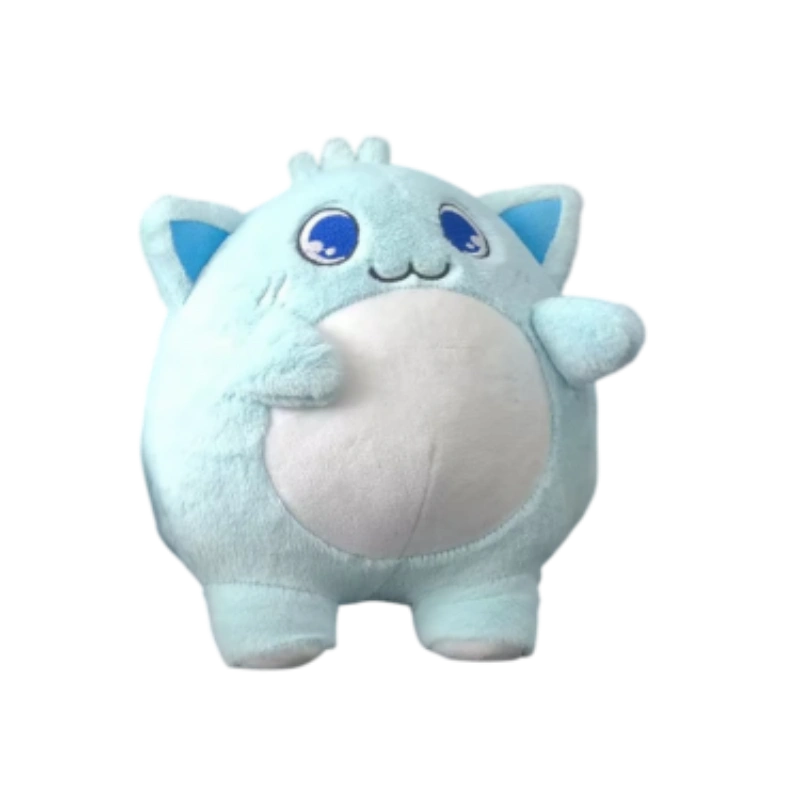
Promotional plush toys are equally effective at increasing social media engagement. Unique and visually appealing plush designs are frequently shared on social platforms, generating organic user-generated content and expanding brand exposure beyond the original campaign audience.
Additionally, mascot plush toys allow companies to transform their brand identity into a tangible product. Whether representing a corporate mascot, licensed character, or custom brand icon, promotional stuffed animals help consumers form stronger emotional attachments to the brand.
Types of Promotional Stuffed Animals for Different Marketing Campaigns
Different promotional objectives require different plush toy solutions. Understanding the available product categories helps businesses select the most suitable option for their campaigns.
Classic stuffed animals remain a popular choice for retail promotions, children’s marketing campaigns, and seasonal events. Bears, rabbits, dogs, and other animal characters offer universal appeal and can easily incorporate branding elements through embroidered logos, custom clothing, or accessory customization.
Mascot plush toys are widely used by corporations, sports teams, educational institutions, and entertainment brands. By transforming a brand mascot or logo character into a plush toy, companies can significantly strengthen brand identity and create recognizable merchandise.
Plush keychains and mini plush pendants have become increasingly popular for promotional giveaways because of their portability and lower production costs. These compact products are particularly suitable for trade shows, exhibitions, product launches, and gift-with-purchase campaigns.
Collectible blind box plush toys are ideal for brands seeking to encourage repeat purchases and customer engagement. Limited-edition collections and mystery packaging create excitement and stimulate collecting behavior, making them especially effective for retail promotions and loyalty programs.
How to Customize Promotional Stuffed Animals with Your Logo
Successful promotional plush toys begin with a clear understanding of brand objectives, target audiences, and product positioning. Customization can range from simple logo additions to fully bespoke character development.
Step 1: Concept Development and Design
The process typically starts with concept development and design. Businesses may provide existing artwork, mascot designs, or branding guidelines, while experienced manufacturers can also assist in creating original concepts based on marketing goals. During this stage, designers develop two-dimensional sketches and digital renderings that define the plush toy’s appearance, proportions, facial expressions, colors, and branding elements.
Step 2: Pattern Development and Prototype Creation
Once the concept is approved, the project moves into pattern development and prototype creation. Professional pattern makers translate the approved design into production-ready templates that determine the plush toy’s structure, sewing lines, and assembly specifications. A physical prototype or sample is then handcrafted to evaluate the toy’s appearance, proportions, softness, functionality, and overall quality. This stage is essential because it allows brands to review and refine the product before mass production begins.
Step 3: Material Sourcing and Component Preparation
After prototype approval, manufacturers proceed with material sourcing. Fabrics, embroidery threads, accessories, stuffing materials, and decorative components are carefully selected according to the approved specifications. If the plush toy includes branded apparel, accessories, sound modules, or other interactive features, these components are also developed and tested during this stage.
Step 4: Fabric Cutting, Embroidery, and Printing
Mass production begins with fabric cutting. Modern plush toy factories typically use computerized cutting equipment to ensure consistency and precision. The cut fabric pieces then move to embroidery and printing departments, where logos, facial features, and decorative patterns are applied using embroidery machines, screen printing, heat transfer printing, or digital printing technologies.
Step 5: Sewing and Plush Assembly
Following decoration, the plush components enter the sewing process. Skilled workers sew the various fabric pieces together to create the plush shell. Quality inspections are usually conducted throughout the sewing stage to ensure stitching strength and dimensional accuracy.
Step 6: Stuffing and Hand Finishing
The assembled plush shells are subsequently filled with stuffing materials such as PP cotton or recycled polyester fiber. Proper filling is critical because it directly affects the toy’s softness, shape retention, and overall consumer experience. After stuffing, workers close the final seams and complete manual finishing processes, including trimming, shaping, and attaching accessories.
Step 7: Quality Inspection and Packaging
Before packaging, each plush toy undergoes comprehensive quality inspections. Manufacturers typically examine stitching quality, embroidery accuracy, appearance consistency, functionality, and safety compliance. Products that pass inspection are then packaged according to customer requirements, which may include poly bags, gift boxes, custom retail packaging, or display packaging.
Throughout the entire production process, close communication between the brand and manufacturer is essential to ensure the final product accurately reflects the intended promotional message and quality expectations.
Materials, Fabrics, and Filling Options for Promotional Stuffed Animals
Material selection significantly influences a plush toy’s appearance, texture, durability, and cost. Businesses should carefully evaluate material options based on target markets, budget requirements, and promotional objectives.
Common plush fabrics include Velboa, Minky, Crystal Super Soft fabric, Faux Fur, Fleece, and Teddy fabric. Velboa is widely used because of its durability, smooth texture, and cost-effectiveness, making it suitable for large-volume promotional projects. Minky fabric offers a premium, ultra-soft feel that is particularly attractive for high-end retail merchandise and baby products.
Long-pile faux fur materials provide a luxurious appearance and are frequently used for character plush toys and collectible products. Teddy fabric and fleece offer unique textures that can enhance product differentiation and improve tactile appeal.
For internal filling, PP cotton remains the industry standard due to its softness, resilience, and lightweight characteristics. Recycled polyester fiber is increasingly being adopted by brands seeking sustainable promotional solutions. Depending on product functionality, manufacturers may also incorporate foam inserts, weighted pellets, squeakers, or sound modules.
Accessory materials such as embroidered patches, woven labels, clothing fabrics, ribbons, and plastic components further enhance product aesthetics and branding opportunities. Choosing appropriate materials not only improves product quality but also supports compliance with safety and environmental standards.
Safety Compliance and Quality Standards for Promotional Plush Toys
Safety compliance is a fundamental requirement for all promotional plush toys, particularly those intended for children. Failure to comply with applicable regulations can result in product recalls, import restrictions, and significant reputational damage.
The specific standards required depend on the target market. For products sold in the United States, compliance with ASTM F963 and CPSIA requirements is typically mandatory. Products entering the European market generally need to comply with EN71 standards and carry CE marking. Other regions may have additional regulations regarding chemical substances, labeling requirements, and product testing.
Manufacturers should use non-toxic materials and carefully control restricted substances such as heavy metals, phthalates, and azo dyes. Mechanical and physical safety testing is equally important to ensure that small parts, seams, and accessories do not present choking or injury hazards.
Comprehensive quality control systems should be implemented throughout production, including incoming material inspections, in-process quality checks, final product inspections, and third-party laboratory testing when necessary. Businesses sourcing promotional plush toys should always request relevant certifications and test reports before approving mass production.
Common Mistakes to Avoid When Ordering Promotional Stuffed Animals in Bulk
One of the most common mistakes businesses make is focusing exclusively on price while overlooking product quality. Extremely low quotations may indicate the use of inferior materials, inadequate quality control, or insufficient compliance measures.
Another frequent mistake is failing to allocate sufficient time for product development. Custom plush toys require multiple stages, including design, prototyping, revisions, testing, and production. Underestimating these timelines can jeopardize marketing schedules and event deadlines.
Ignoring safety compliance requirements is another significant risk, especially for products intended for international markets. Businesses should confirm all applicable regulations before production begins rather than after products have already been manufactured.
Finally, many buyers underestimate the importance of sample approval. Thoroughly reviewing and approving pre-production samples is essential to ensuring that the final mass-produced products meet expectations in terms of appearance, quality, and functionality.
How to Choose a Reliable Promotional Plush Toy Manufacturer
Selecting the right manufacturing partner is critical to the success of any promotional plush project. A reliable supplier should possess extensive industry experience, robust quality management systems, and strong customization capabilities.
Manufacturing experience often reflects a supplier’s ability to solve technical challenges, maintain quality consistency, and manage large-scale production efficiently. Experienced manufacturers are generally better equipped to support complex promotional projects and international compliance requirements.
Product development capability is equally important. Manufacturers offering design support, prototyping services, mold development, packaging design, and engineering expertise can significantly simplify the customization process for brands.
Businesses should also evaluate production facilities, quality control systems, and production capacity. Factory audits, sample evaluations, and previous project reviews provide valuable insights into a supplier’s capabilities and reliability.
Clear communication and responsive customer service are essential for successful collaboration. Professional manufacturers should provide transparent quotations, realistic lead times, regular production updates, and dedicated project support throughout the manufacturing process.
Why Choose Weijun Toys for Custom Promotional Stuffed Animals
With over 30 years of toy manufacturing experience, Weijun Toys specializes in providing comprehensive OEM and ODM solutions for brands, retailers, distributors, and promotional product companies worldwide.
Weijun Toys offers scalable production capacity capable of handling both small and high-volume promotional orders. The company manufactures a wide range of custom plush products, including stuffed animals, mascot plush toys, plush keychains, collectible plush series, and licensed character merchandise.

Weijun Toys provides complete end-to-end services covering concept development, product design, prototyping, material sourcing, mass production, packaging, and logistics support. The company’s experienced development team works closely with clients to transform ideas into high-quality market-ready products. Weijun Toys delivers flexible customization solutions, dependable manufacturing expertise, and consistent product quality.
 2 Modern Factories 30 Years of Toy Manufacturing Expertise 200+ Cutting-Edge Machines Plus 3 Well-Equipped Testing Laboratories 560+ Skilled Workers, Engineers, Designers, and Marketing Professionals One-Stop Customization Solutions Quality Assurance: Able to Pass EN71-1,-2,-3 and More Tests Competitive Prices and On-Time Delivery










