
The collectible art toy industry has experienced remarkable growth over the past decade. From independent designer toys and limited-edition garage kits to premium anime statues and museum-quality collectibles, resin figures have become one of the most respected product categories among artists, collectors, and toy brands worldwide.
Unlike mass-produced PVC figures, resin figures are often associated with exceptional craftsmanship, limited production runs, and extraordinary detail. Their ability to faithfully reproduce intricate sculpting makes resin the material of choice for high-end collectibles, prototype models, convention exclusives, and artist editions.
What Are Resin Figures
Resin figures are collectible sculptures manufactured by casting liquid polyurethane resin or epoxy resin into silicone molds. After curing, the hardened resin produces an exceptionally detailed reproduction of the original sculpt.
One of resin’s defining characteristics is its ability to capture microscopic surface textures. Tiny wrinkles in clothing, individual strands of hair, engraved armor patterns, skin pores, and fabric textures can all be reproduced with remarkable accuracy. This level of precision allows sculptors to realize artistic concepts that would be difficult or impossible to achieve using traditional mass-production materials.
Resin figures are widely used for:
- Designer art toys
- Anime and game statues
- Garage kits
- Character collectibles
- Limited-edition sculptures
- Museum replicas
- High-end prototypes
- Kickstarter collectibles
- Premium display models
Because resin figures are typically handcrafted and produced in smaller batches, each piece receives significantly more manual attention than standard retail toys.
How to Custom Resin Figures
Creating a collectible resin figure is a multidisciplinary process involving industrial design, digital sculpting, mold engineering, materials science, painting, and quality control. Every production stage contributes to the figure’s final appearance and overall quality.
1. Develop Your Character Concept
Every successful collectible begins with a strong creative concept.
Artists first establish the character’s proportions, pose, facial expression, costume, accessories, color palette, and intended display style. During this stage, manufacturers also evaluate practical production considerations such as part separation, assembly complexity, stability, and packaging dimensions.
A well-developed concept minimizes engineering revisions later in production while ensuring the artistic vision can be translated into a manufacturable product.
2. Create a 3D Digital Sculpt
Once the concept has been approved, professional sculptors create a highly detailed digital model.
Unlike gaming models, collectible resin sculpts require extremely high polygon counts to preserve fine surface detail. Sculptors carefully refine anatomical proportions, clothing folds, muscle definition, mechanical components, and decorative textures.
At this stage, engineering teams often divide the figure into multiple components to simplify molding, painting, and assembly.
3. Prepare the Model for Printing
Before physical production begins, the digital model undergoes engineering optimization.
Technicians repair mesh errors, eliminate non-manifold geometry, adjust tolerances, and reinforce fragile sections. Assembly keys, pegs, and locating pins are incorporated to ensure precise alignment during final assembly.
The model is then sliced according to the selected 3D printing technology.
4. Print the Master Prototype
High-resolution SLA or DLP resin printers produce the master prototype.
These printers can achieve layer heights as fine as 25–50 microns, accurately reproducing intricate sculptural details.
After printing, technicians remove support structures, wash uncured resin, perform UV post-curing, and hand polish the prototype to eliminate printing artifacts.
The master prototype serves as the reference model for all subsequent mold production.
5. Build the Silicone Mold
Silicone mold making is one of the most critical stages in resin figure manufacturing.
Experienced mold engineers carefully determine the parting lines to preserve surface details while minimizing visible seam lines. High-quality platinum-cure silicone rubber is commonly selected.
Complex figures often require multi-piece molds with carefully designed registration keys and pouring channels. Proper mold design directly influences casting quality, production efficiency, and defect rates.
6. Cast the Resin
Once the molds are complete, technicians mix two-component polyurethane resin under carefully controlled ratios.
After mixing, the resin is poured into silicone molds. Professional manufacturers frequently use vacuum degassing to remove trapped air before pouring and pressure casting during curing to eliminate microscopic bubbles.
Temperature and humidity are closely monitored throughout curing because environmental conditions significantly affect resin viscosity, curing speed, dimensional stability, and final mechanical properties.
After curing, each casting is carefully demolded to prevent damage to delicate features.
7. Clean and Inspect the Parts
Fresh castings require manual finishing before assembly.
Technicians remove casting gates, trim flash, repair minor imperfections, and sand seam lines.
Each component undergoes dimensional inspection to ensure compatibility during assembly.
Defective castings containing bubbles, incomplete fills, excessive warping, or surface defects are rejected before entering the next production stage.
8. Assemble the Figure
Many premium resin statues consist of dozens or even hundreds of individual components.
Assemblers use specialized adhesives, precision alignment fixtures, and mechanical reinforcement where necessary.
These reinforcements improve long-term structural stability while simplifying transportation and assembly.
9. Prime the Surface
Before painting, every figure receives a high-quality primer.
Primer serves several important functions:
- Reveals remaining surface defects
- Improves paint adhesion
- Creates uniform color consistency
- Prevents uneven paint absorption
Any remaining imperfections are corrected before color application begins.
10. Hand Paint the Figure
Painting represents one of the most labor-intensive stages of resin figure production.
Professional painters combine multiple techniques including:
- Airbrushing
- Hand brushing
- Masking
- Gradient shading
- Dry brushing
- Weathering
- Metallic finishing
- Transparent glazing
High-end collectible statues may require dozens of individual paint operations to reproduce realistic skin tones, lighting effects, and material textures.
Because painting is performed manually, every figure possesses subtle artistic uniqueness.
11. Apply Protective Coating
After painting, protective clear coatings are applied.
Depending on the desired appearance, manufacturers may select matte, satin, or gloss finishes.
These coatings improve scratch resistance while protecting pigments from environmental exposure and UV discoloration.
12. Final Quality Inspection and Packaging
Finished figures undergo comprehensive quality inspections covering appearance, paint consistency, structural integrity, assembly accuracy, stability, and packaging safety.
Protective foam inserts are custom-designed to prevent damage during transportation.
Limited-edition resin collectibles often include numbered certificates, branded packaging, and premium presentation boxes to enhance their collectible value.
Why Resin Is Commonly Used for Collectible Art Toys
Among all materials used in collectible figure manufacturing, including PVC, ABS, vinyl, and polystone, resin continues to occupy a unique position in the premium collectible market. Its popularity is not simply the result of tradition but of its exceptional manufacturing characteristics, artistic flexibility, and ability to faithfully reproduce highly complex sculptures.
The greatest advantage of resin lies in its extraordinary detail reproduction. Polyurethane casting resin is a low-viscosity liquid before curing, allowing it to flow into extremely fine cavities within a silicone mold. As the resin fills every microscopic feature, it captures sculptural details that would often be softened or lost in conventional injection molding. Individual strands of hair, embroidered fabric textures, engraved armor patterns, realistic skin wrinkles, fingerprints sculpted into clay originals, and even subtle tool marks from digital or hand sculpting can all be preserved with remarkable precision. This fidelity is one of the primary reasons why resin has become the preferred material for premium statues and designer collectibles.
For limited-edition collectibles, resin offers an ideal balance between production flexibility and premium quality. Silicone molds naturally wear over time, typically producing dozens rather than thousands of perfect castings. While this may seem like a limitation, it actually supports the exclusivity that collectors value. Small production runs help maintain rarity, increase perceived value, and reinforce the positioning of resin figures as premium art collectibles rather than mass-market toys.
Ultimately, resin remains the material of choice because it allows manufacturers to prioritize artistic excellence over production efficiency. Its unmatched detail reproduction, adaptable tooling, compatibility with advanced casting techniques, superior painting characteristics, and suitability for handcrafted finishing collectively make it one of the finest materials available for collectible art toys.
Why Resin Figures Are More Expensive Than Other Figures
Resin figures typically command higher prices than PVC or ABS figures due to the nature of both the material and the manufacturing process.
Unlike highly automated injection molding, resin production involves substantial manual labor. Every casting must be individually poured, demolded, trimmed, sanded, assembled, primed, painted, and inspected by skilled technicians. These labor-intensive steps significantly increase production costs.
Material costs are also higher. Premium polyurethane casting resins, platinum-cure silicone mold materials, professional primers, automotive-grade paints, and protective coatings are considerably more expensive than the raw plastics commonly used in mass-market toys.
Production efficiency is another factor. Silicone molds have a limited lifespan and gradually lose precision after repeated use, requiring regular replacement. In contrast, steel molds for injection molding can produce hundreds of thousands of parts.
In addition, resin figures often feature intricate multi-part assemblies, elaborate paint applications, and premium packaging, all of which add value while increasing manufacturing time.
For collectors, these higher costs translate into superior craftsmanship, greater exclusivity, and a product that more closely resembles a piece of art than a conventional toy.
Weijun Toys: Your Trusted Resin Figure Toy Manufacturer
With over 30 years of manufacturing experience, Weijun Toys provides professional OEM and ODM solutions for brands, designers, distributors, and retailers seeking premium collectible figures.
Our experienced engineering team supports every stage of product development. Whether you are launching a limited-edition art toy, a designer collectible, or a licensed character figure, we work closely with you to ensure every detail meets your creative vision and quality expectations. Each production stage is carefully monitored to deliver consistent results while maintaining the fine sculptural details that collectors demand.
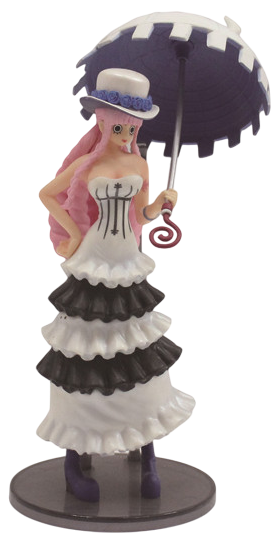
In addition to resin figures, Weijun Toys also manufactures PVC figures, vinyl toys, ABS plastic toys, flocked collectibles, plush toys, and blind box products, providing customers with comprehensive manufacturing solutions under one roof.
By combining experienced craftsmanship, modern production technologies, and responsive project management, Weijun Toys helps brands transform creative ideas into premium collectible products that stand out in today’s competitive market.
 2 Modern Factories 30 Years of Toy Manufacturing Expertise 200+ Cutting-Edge Machines Plus 3 Well-Equipped Testing Laboratories 560+ Skilled Workers, Engineers, Designers, and Marketing Professionals One-Stop Customization Solutions Quality Assurance: Able to Pass EN71-1,-2,-3 and More Tests Competitive Prices and On-Time Delivery










