
Scented stuffed animals combine the softness and emotional appeal of plush toys with the sensory experience of fragrance. This combination gives brands a distinctive way to develop retail merchandise that feels more interactive, memorable, and collectible than conventional stuffed animals.
What Are Scented Stuffed Animals
Scented stuffed animals are plush toys designed with a fragrance that can be released or perceived through the toy’s filling, fabric, insert, accessory, or another scent-delivery component. They retain the familiar softness and character appeal of traditional stuffed animals while adding an additional sensory element.
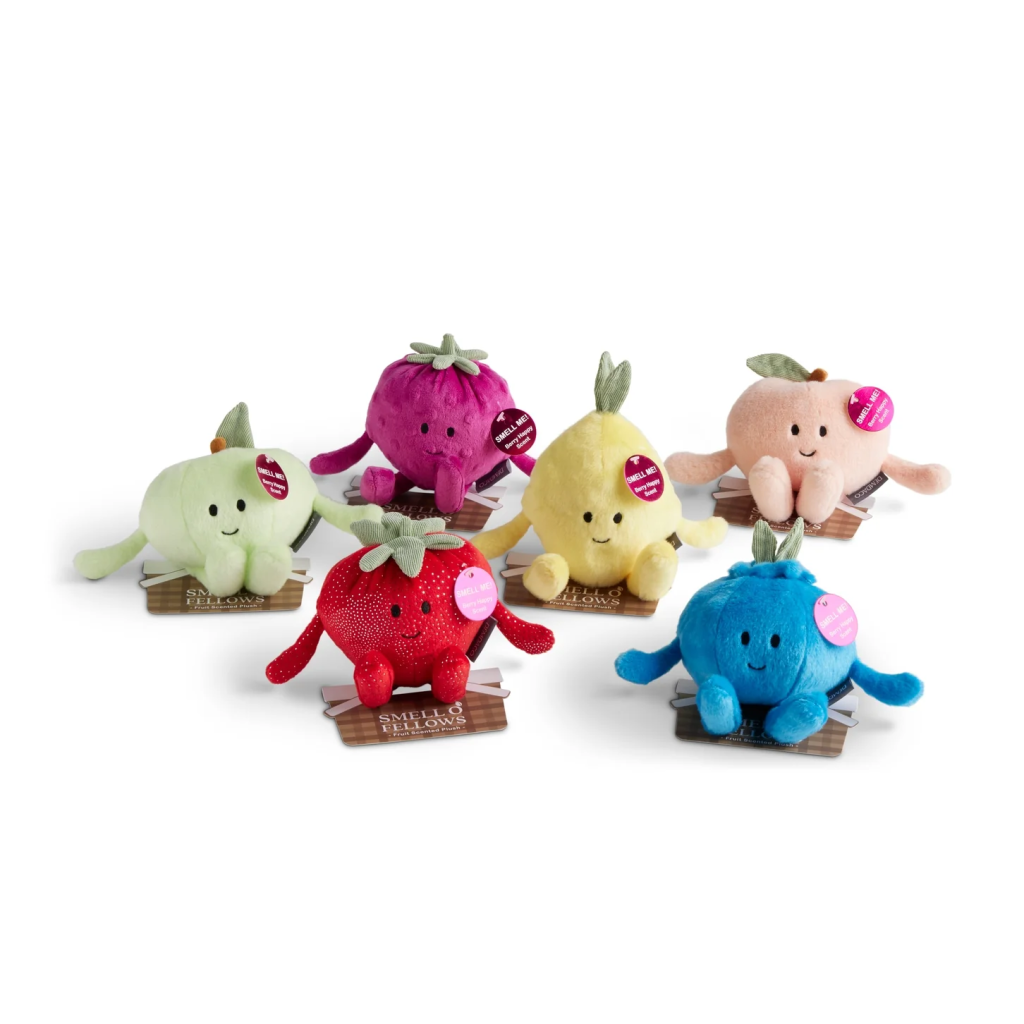
The fragrance can be integrated into different parts of the product depending on the desired experience. Some products use scented filling or fragrance-infused materials, while others use removable scented inserts, beads, patches, or other components. More specialized solutions can use fragrance encapsulation technology to control how and when the scent is released.
Scented plush toys offer an opportunity to create a stronger product identity. A conventional plush toy mainly appeals through appearance and touch, while a scented version can engage sight, touch, and smell simultaneously. This makes them particularly attractive for character merchandise and gift products.
Why Add Scents to Stuffed Animals
The primary advantage of adding fragrance to a plush toy is differentiation. Retail shelves and online marketplaces contain a large variety of stuffed animals, so brands need ways to make their products visually and experientially distinctive. A pleasant and recognizable scent can give a familiar plush character an additional selling point.
Scent can also strengthen emotional associations. Smell is closely connected with memory and personal experiences, so a particular fragrance may help consumers associate a character or product with a specific mood, season, or occasion.
For retailers, scented plush toys can also create opportunities for product series and repeat purchases. Brands can develop multiple characters with different scents, allowing consumers to collect a complete fragrance-themed assortment.
The combination of character design and fragrance is also useful for brand marketing. A signature scent can become part of a character’s identity and help create a more recognizable product experience across different merchandise categories.
What Makes Stuffed Animals Scented
There are several ways to introduce fragrance into a stuffed animal, and the best option depends on the product design, desired scent intensity, expected fragrance longevity, manufacturing volume, and target market.
Scented filling is one possible approach. Fragrance can be incorporated into selected filling materials so that the scent is released through the plush surface. This method can provide an integrated sensory experience without requiring an obvious external component.
Scented beads or inserts provide another flexible solution. A fragrance-containing insert can be placed inside the plush toy and designed to release scent gradually. Depending on the product concept, inserts may also be removable or replaceable, which can be useful for products where long-term scent maintenance is important.
Fragrance-infused fabrics introduce scent directly into selected textile materials. This approach can create a more subtle fragrance experience and may be suitable for plush products where the scent is intended to be associated closely with the fabric.
Scented patches or accessories can provide an additional design option. A scented element can be integrated into a decorative patch, tag, clothing component, or other accessory, allowing the fragrance source to become part of the character design.
For more advanced applications, microencapsulated fragrance technology can be used. Fragrance is contained within microscopic capsules that can release scent gradually under specific conditions, such as friction or handling. This approach can help manufacturers manage scent release and potentially improve fragrance longevity, although the appropriate formulation and application method need to be evaluated for each product.
The choice of scent technology should always be based on the intended consumer experience as well as manufacturing and safety requirements rather than simply selecting the strongest fragrance available.
Popular Use Scenarios for Scented Plush Toys
Scented plush toys can be developed for a wide range of retail and merchandise applications. Gift shops and specialty retailers can use them as distinctive character gifts, while toy stores can introduce scented versions of popular animals and original characters.
They are also suitable for seasonal merchandise. Holiday characters can be paired with fragrances associated with Christmas, spring, summer, or other occasions, helping retailers create limited-time collections.
Character and entertainment brands can incorporate scents into licensed or original merchandise to differentiate specific product lines. A character with a signature fragrance can become a recognizable part of an IP’s merchandise portfolio.
Scented plush toys can also be used as promotional merchandise and lifestyle products. Brands can develop custom mascots with signature fragrances for campaigns, events, retail promotions, or customer gifts.
For retailers, the versatility of scented plush toys makes them suitable for both standalone products and larger themed collections.
How to Custom Scented Stuffed Animals
Developing a custom scented stuffed animal requires coordination between plush toy design, textile selection, fragrance development, scent delivery, product engineering, and quality control.
1. Define the Character Concept
The process begins with defining the character and overall product concept. The brand may start with an existing mascot, original character, animal design, licensed IP, or a completely new concept.
The design should also consider where the scent component will be positioned. This is particularly important because the location of the fragrance source can affect scent diffusion and how consumers interact with the product.
2. Select Plush Materials, Filling, and Size
Once the character concept is confirmed, the manufacturer selects appropriate plush fabrics and filling materials. Common plush fabrics include polyester plush, Minky, Velboa, fleece, and other soft textiles, while PP cotton and recycled fiber can be considered for filling depending on the product requirements.
The size and structure of the plush toy also need to be considered. A larger plush may provide more internal space for scented components, while a miniature product requires more careful placement. The filling density, fabric thickness, seams, and internal construction can all influence how easily the fragrance reaches the surface.
3. Choose the Fragrance and Scent Delivery Method
Fragrance development is one of the most important stages of a scented plush project. Brands should determine the desired scent profile, intensity, longevity, and consumer experience before selecting the delivery method.
The fragrance may be based on a specific ingredient, or it may be a custom fragrance developed to match a character or brand identity. Scent intensity needs to be carefully controlled. A fragrance that is too weak may not provide a noticeable sensory experience, while an excessively strong scent may be unpleasant for consumers. The objective is to create a balanced fragrance that complements the product.
The manufacturer and fragrance supplier should also evaluate how the fragrance interacts with the selected fabric and filling. Depending on the product, scented filling, beads, inserts, fragrance-infused fabric, scented patches, or microencapsulated fragrance may be considered.
4. Develop the Prototype and Scent Sample
Once the plush design and fragrance concept are established, the manufacturer develops a prototype. The prototype should represent not only the visual appearance of the final product but also the intended tactile and sensory experience.
The brand should evaluate the character’s shape, proportions, fabric softness, filling density, stitching quality, accessories, and overall appearance. At the same time, the scent sample should be assessed for fragrance strength, scent character, and how the fragrance is experienced through the plush surface.
Physical sampling is particularly important for scented products because digital design files cannot accurately represent fragrance performance. A physical sample allows the brand to evaluate the complete product before mass production.
5. Test Scent Performance and Product Safety
Before mass production, the scented plush should undergo appropriate testing to verify both fragrance performance and product safety.
Safety testing is equally important. The fragrance formulation, plush materials, dyes, filling, adhesives, accessories, and other components should be evaluated according to the requirements of the target market and intended product use.
For children’s products, brands should pay particular attention to applicable toy safety regulations and chemical restrictions. Depending on the market, relevant requirements may include standards such as EN71, ASTM F963, CPSIA, and RoHS. For fragrance-containing products, additional consideration should be given to the safety and documentation of the fragrance materials themselves.
6. Mass Production and Quality Control
After the prototype and testing stages are approved, mass production can begin. Consistency becomes especially important during this stage because every plush toy needs to maintain the same appearance, construction quality, and fragrance characteristics.
Production begins with material preparation and cutting, followed by sewing, stuffing, assembly, and the integration of the selected scent-delivery component. Depending on the product design, additional processes such as embroidery, printing, appliqué, flocking, or accessory attachment may also be required.
Quality control should be implemented throughout production rather than only at the final stage. Manufacturers can inspect fabrics and filling materials before production, monitor stitching and assembly during manufacturing, and check finished products before packaging.
7. Custom Packaging and Delivery
Depending on the retail strategy, brands can choose from individual poly bags, printed boxes, window packaging, display packaging, gift boxes, or other customized solutions. Packaging may also include product information, care instructions, fragrance descriptions, safety information, and branding elements.
Scented products may require particular attention to packaging because prolonged exposure to air can influence fragrance performance. The appropriate packaging approach should therefore be evaluated during product development.
Once final inspection is completed, the products can be packed into shipping cartons and prepared for domestic or international transportation. An experienced manufacturer can coordinate packaging specifications and bulk shipping requirements to support efficient delivery to the retailer or distribution center.
Safety and Quality Standards for Scented Stuffed Animals
Safety is especially important when developing scented plush toys because the product combines conventional textile components with fragrance materials.
Manufacturers should evaluate the safety of the plush fabric, filling, dyes, printing materials, adhesives, accessories, and fragrance components. The exact testing requirements depend on the product’s target market, intended age group, and sales channel.
For children’s plush toys, applicable requirements may include EN71, ASTM F963, CPSIA, and RoHS, along with other market-specific regulations. Fragrance materials should also be sourced from reliable suppliers with appropriate technical documentation and safety information.
Quality control should cover both physical and sensory characteristics. The finished product should maintain consistent dimensions, stitching, filling, appearance, and fragrance performance across production batches.
How to Choose a Reliable Scented Plush Toy Manufacturer
Choosing a manufacturer with both plush production expertise and experience handling scented products is essential. Scented plush toys require coordination between textile manufacturing and fragrance application, so the supplier needs to understand both areas.
A capable manufacturer should be able to support the project from concept development and material selection through sampling, fragrance integration, mass production, quality control, packaging, and delivery. This integrated capability reduces communication gaps and makes it easier to manage design revisions.
Brands should also evaluate the manufacturer’s experience with international safety standards, material sourcing, quality inspection, and bulk production. Previous experience with custom plush toys is particularly valuable because it demonstrates the factory’s ability to maintain consistent construction and appearance at scale.
For fragrance-based products, brands should also ask how the manufacturer manages scent consistency, fragrance sourcing, sample approval, storage, and quality testing. Clear communication about these requirements before production can help prevent unexpected issues later.
Why Partner with Weijun Toys for Custom Scented Stuffed Animals
With over 30 years of toy manufacturing experience, Weijun Toys provides professional OEM and ODM solutions for brands developing custom plush toys, character merchandise, promotional products, and retail collectibles.

Our end-to-end manufacturing capabilities allow brands to manage product development from concept and design through prototyping, production, quality inspection, customized packaging, and delivery. This integrated approach is especially valuable for specialized products such as scented stuffed animals, where the plush construction and fragrance experience need to work together.
Weijun Toys can support customized character shapes, sizes, fabrics, fillings, colors, embroidery, printing, accessories, and packaging. For scented plush projects, product requirements can be evaluated during the development process to help brands select appropriate materials and scent-delivery solutions.
Our experience with international toy manufacturing also supports projects that require attention to product safety and market compliance. Quality control is incorporated throughout production to help ensure consistent appearance, construction, and overall product performance.
Whether you are developing a scented mascot for your brand, a character-based retail collection, seasonal merchandise, or a unique promotional product, Weijun Toys can help transform your concept into a production-ready plush product.
 2 Modern Factories 30 Years of Toy Manufacturing Expertise 200+ Cutting-Edge Machines Plus 3 Well-Equipped Testing Laboratories 560+ Skilled Workers, Engineers, Designers, and Marketing Professionals One-Stop Customization Solutions Quality Assurance: Able to Pass EN71-1,-2,-3 and More Tests Competitive Prices and On-Time Delivery










