
Anime action figures have evolved from niche collectibles into a major category of character merchandise. For anime studios, entertainment brands, game developers, retailers, and licensed IP owners, custom anime action figures offer an effective way to turn original characters into tangible products while strengthening fan engagement and creating new revenue opportunities.
What Are Anime Action Figures
Anime action figures are character-based collectible figures inspired by anime, manga, video games, and other forms of Japanese or Asian pop culture. Unlike simple static figurines, action figures are generally designed with a stronger focus on character poses, accessories, articulation, and interactive display possibilities.
Depending on the product concept, an anime action figure may include movable joints at the head, shoulders, elbows, wrists, waist, hips, knees, and ankles. Some premium designs can feature multiple interchangeable hands, facial expressions, weapons, costumes, stands, or other character-specific accessories.
What Are Anime Figures Made Of
The material selected for an anime action figure depends on its design, size, articulation requirements, production volume, target price, and desired surface finish. Among the most commonly used materials are PVC, ABS, and resin.
PVC, or polyvinyl chloride, is one of the most widely used materials for anime figures. It offers good flexibility, durability, and colorability, making it suitable for character bodies, clothing details, hair, and other components. PVC is particularly useful for mass-produced figures because it can be processed efficiently through molding and provides a smooth surface for painting and finishing.
ABS, or acrylonitrile butadiene styrene, is a rigid engineering plastic known for its strength and dimensional stability. It is often used for structural components, joints, accessories, weapons, stands, and parts that require greater rigidity. Combining PVC and ABS can allow manufacturers to balance appearance, flexibility, strength, and articulation.
Resin is commonly associated with highly detailed prototypes, limited-edition collectibles, and premium art figures. Resin can reproduce intricate details effectively and is particularly useful during prototyping and small-batch development. However, resin production is generally less suited to high-volume manufacturing than injection-molded plastics, so the appropriate material should be selected according to the project’s production requirements.
How to Custom Anime Action Figures
Custom anime action figures require much more than simply reproducing a character illustration in three dimensions. A successful project must connect creative design with engineering and manufacturing requirements.
Step 1: Concept Design and Artwork Preparation
The process begins with the character concept and artwork. A brand may provide an existing anime character, manga illustration, game asset, character sheet, or original sketch. The manufacturer then evaluates the artwork from a manufacturing perspective and determines how the two-dimensional design can be translated into a physical figure.
At this stage, the design team typically confirms the figure’s overall height, proportions, pose, facial expression, hairstyle, costume, accessories, and articulation requirements. The intended product positioning should also be established. A simple promotional action figure may require a relatively straightforward structure, while a premium collector figure may need complex articulation, interchangeable parts, highly detailed clothing, and multiple accessories.
Artwork preparation is particularly important for licensed anime characters because visual accuracy is directly connected to the value of the merchandise. Even relatively small differences in facial proportions, hair shape, costume colors, or signature accessories can affect character recognition.
Step 2: 3D Modeling and Prototype Development
Once the concept is approved, the design is converted into a three-dimensional digital model. 3D modeling is one of the most important stages in custom anime action figure production because it establishes the physical proportions and structure of the final product.
Professional 3D modeling involves more than simply creating a visually accurate character. The model must also consider assembly, articulation, wall thickness, part separation, mold requirements, and the intended manufacturing material.
For articulated action figures, designers need to determine where joints will be positioned and how different parts will move without interfering with each other. For example, shoulder, elbow, knee, hip, and neck joints need sufficient clearance to allow movement while maintaining the desired appearance.
After the digital model is completed, a prototype can be produced using 3D printing or another prototyping method. The physical prototype allows the brand and manufacturer to evaluate the figure from multiple angles and identify potential problems before investing in production tooling.
Prototype approval is a critical checkpoint. The brand can review the character’s proportions, pose, details, articulation, and overall appearance and request revisions before proceeding to mold production.
Step 3: Tooling and Mold Creation
After the prototype and 3D model are approved, the manufacturer develops the production tooling. Mold design is a technical stage that directly influences manufacturing efficiency and final product quality.
The figure is usually divided into multiple components based on its structure and production requirements. Engineers determine appropriate parting lines, mold structures, injection points, and other tooling details. The goal is to create molds that can reproduce the character accurately while allowing the molded components to be removed efficiently.
Complex anime figures may require multiple molds because the head, body, clothing, accessories, joints, and other components can have different structural requirements. The number and complexity of molds can have a significant impact on tooling costs and development time.
A well-designed mold is essential for achieving consistent dimensions and clean surface details during mass production. It also helps minimize issues such as visible mold lines, incomplete filling, deformation, or excessive flash.
Step 4: Material Selection and Injection Molding
Material selection should be finalized before mass production because different materials provide different physical and visual characteristics. PVC is commonly selected for character components because of its flexibility and excellent surface finish, while ABS may be used for structural parts and rigid components.
Once the material is confirmed, plastic components are produced through injection molding. In this process, plastic material is heated and injected into the prepared mold under controlled conditions. After cooling and solidifying, the molded component is removed and prepared for subsequent processing.
For large-scale anime figure production, consistency is especially important. Every figure in the same production batch should maintain the same dimensions, proportions, and component fit.
Step 5: Parts Trimming and Assembly
After molding, individual components are inspected and processed before assembly. Excess material, flash, and other molding residues are carefully removed to create clean edges and surfaces.
The components are then assembled according to the approved product structure. Depending on the design, this may involve connecting the head, torso, arms, legs, joints, clothing elements, accessories, and display stand.
For articulated figures, assembly requires particular attention to joint fitting. Joints should provide sufficient movement while remaining stable during handling and display. If the fit is too loose, the figure may fail to hold its intended pose; if it is too tight, movement may become difficult or cause excessive stress on the components.
Professional assembly also requires consistent alignment. Facial components, costumes, limbs, and accessories must be positioned correctly to maintain the visual balance of the character.
Step 6: Painting, Printing, and Surface Finishing
Painting is one of the most visually important stages of anime action figure manufacturing. Even a highly accurate 3D model can lose its character identity if the colors or painting details are inconsistent.
The painting process normally begins with appropriate surface preparation and a base coat. Different components may then receive multiple layers of color to reproduce the original character design.
Depending on production requirements, manufacturers may use automated painting equipment, manual painting, pad printing, or a combination of techniques. Automated processes are useful for maintaining consistency across high-volume production, while skilled manual painting is valuable for intricate details and areas that require greater control.
Facial features are particularly important. Details such as eyes, eyebrows, mouths, and other facial markings must be accurately positioned and consistently reproduced. Small deviations can noticeably change the expression of an anime character.
Special surface treatments can also be introduced to create different visual effects. Matte, glossy, metallic, pearlescent, or other finishes can be used depending on the product concept.
Step 7: Accessories and Final Detailing
Accessories can significantly increase the appeal and collectible value of an anime action figure. Depending on the character, these may include weapons, alternate hands, facial expressions, hats, bags, instruments, character-specific equipment, or display bases.
Each accessory needs to be designed and manufactured according to the figure’s overall scale and proportions. Functional considerations are also important. Accessories should fit securely while remaining easy for consumers to attach or replace.
At this stage, the manufacturer also performs final detailing and assembly checks. Any remaining surface imperfections, paint defects, alignment issues, or loose components should be identified and corrected before the product enters final inspection.
Step 8: Quality Inspection and Safety Testing
Quality control should take place throughout the entire manufacturing process rather than only after production is completed. Raw materials, molded components, painted parts, assembled figures, and finished products can all be inspected at different stages.
Final inspection typically focuses on appearance, color consistency, dimensions, assembly quality, articulation, surface defects, and accessory completeness. For large-volume production, manufacturers may establish sampling procedures and inspection standards to maintain consistent quality across batches.
Safety and compliance requirements also need to be considered based on the target market and intended age group. Depending on where the products will be sold, applicable requirements may include standards such as ASTM F963, CPSIA, EN71, or RoHS.
Working with a manufacturer familiar with international toy and collectible product requirements can help brands identify compliance considerations early rather than addressing them after production.
Step 9: Custom Packaging and Transportation
Packaging is the final stage of the product development process and an important part of the overall merchandise experience. For anime action figures, packaging often serves both a protective and marketing function.
Brands can customize packaging according to their retail strategy and product positioning. Premium collectibles may use high-quality printed boxes with windows that allow consumers to view the figure, while mass-market products may use more cost-efficient packaging designs.
Packaging artwork should be coordinated with the character design and brand identity. For licensed products, manufacturers also need to follow the relevant branding and packaging requirements.
Before transportation, finished products are packed securely to minimize the risk of paint damage, component breakage, or deformation. Appropriate carton packing and shipping arrangements are particularly important for international bulk orders.
Why Are Anime Figures So Expensive
Anime figures can vary significantly in price because manufacturing costs depend on far more than the amount of plastic used. Design complexity, figure size, number of components, articulation, materials, mold requirements, painting, accessories, packaging, and production volume can all influence the final cost.
Highly articulated figures generally require more components and more complicated tooling than simple static figures. Characters with elaborate costumes, long hair, weapons, or intricate accessories may also require additional molds and assembly processes, increasing manufacturing costs.
Painting and finishing can be particularly labor-intensive. While automated painting can improve efficiency and consistency, detailed anime figures often require manual painting for facial features, small accessories, gradients, and other intricate areas. Hand painting is time-consuming and requires skilled workers, which can significantly increase labor costs, especially for highly detailed or premium figures.
Anime copyright and licensing fees can also add to the overall cost of officially licensed figures. Brands producing characters from existing anime, manga, or games may need to pay copyright or licensing fees to the relevant rights holders, in addition to the actual manufacturing expenses.
Tooling costs are another important consideration for custom projects. A new character generally requires custom molds, while complex figures may need multiple molds. For smaller production runs, these upfront tooling and development costs are spread across fewer units, resulting in a higher per-unit cost.
Overall, the price of an anime figure reflects a combination of design complexity, tooling, materials, skilled manual labor, licensing fees, and production volume, rather than simply the cost of the plastic itself.
How to Choose a Professional Anime Figure Manufacturer
Choosing the right manufacturer is critical to the success of a custom anime action figure project. Brands should evaluate not only the manufacturer’s production capacity but also its ability to support product development from concept to finished merchandise.
Experience with character toys and collectible figures is particularly valuable. A manufacturer familiar with anime products understands the importance of character accuracy, paint consistency, articulation, accessories, and packaging.
OEM and ODM capabilities are also important. A strong manufacturer should be able to provide support for 3D modeling, prototyping, tooling, injection molding, painting, assembly, quality inspection, and packaging. This integrated approach reduces communication gaps between different suppliers and makes project management more efficient.
Brands should also evaluate the manufacturer’s quality control system, testing capabilities, production equipment, and experience with international safety requirements. Factory audits, production samples, previous project experience, and clear quality specifications can provide useful information before placing a large order.
Finally, communication and project management should not be overlooked. Custom anime figures often require multiple rounds of design confirmation and sampling. A responsive manufacturer that can provide clear feedback and production updates can significantly reduce development risks.
Why Partner with Weijun Toys for Custom Anime Action Figures
With over 30 years of toy manufacturing experience, Weijun Toys provides professional OEM and ODM solutions for brands looking to develop custom anime action figures and character merchandise.
Our manufacturing capabilities cover the complete product development process, from initial concept and 3D modeling to prototype development, mold creation, plastic molding, painting, assembly, quality inspection, and customized packaging. This integrated production approach allows brands to work with one experienced manufacturing partner throughout the project.
Weijun Toys has extensive experience in PVC figures, collectible toys, action figures, and other character-based products. Our production expertise enables us to support both straightforward character designs and more complex projects involving multiple components, detailed painting, accessories, and custom packaging.
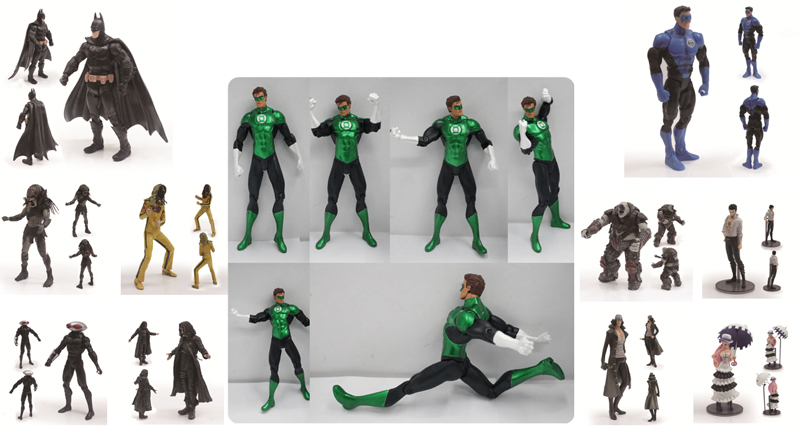
For brands developing anime merchandise, promotional products, licensed character merchandise, or private-label collectibles, we can provide customized OEM and ODM solutions based on product positioning, target market, order volume, and design requirements.
Quality and compliance are also important parts of our manufacturing approach. From material selection and production control to final inspection and packaging, each stage is managed with the goal of delivering consistent, market-ready products.
Whether you are launching a new anime character, expanding an existing merchandise collection, or developing a completely original action figure line, Weijun Toys can help turn your concept into a professionally manufactured product.
 2 Modern Factories 30 Years of Toy Manufacturing Expertise 200+ Cutting-Edge Machines Plus 3 Well-Equipped Testing Laboratories 560+ Skilled Workers, Engineers, Designers, and Marketing Professionals One-Stop Customization Solutions Quality Assurance: Able to Pass EN71-1,-2,-3 and More Tests Competitive Prices and On-Time Delivery










