
Interactive plush toys combine the softness and comfort of traditional stuffed animals with electronic features that encourage engagement, play, and learning. From voice-activated characters and sound-producing plush animals to AI-powered companions with touch sensors and light effects, these products offer brands new ways to create distinctive toy experiences.
As consumer interest in personalized and technology-enhanced toys grows, interactive plush toys are becoming an attractive product category for toy brands, retailers, gift companies, and promotional businesses. Customization can go beyond a character’s appearance to include voice interaction, smart functions, sensor technology, electronic components, and branded packaging.
What Are Interactive Plush Toys
Interactive plush toys are stuffed animals or character toys that respond to a user’s actions through electronic components, sensors, sounds, lights, movement, or intelligent software. Unlike traditional plush toys, which primarily provide tactile comfort and imaginative play, interactive plush toys offer additional experiences that can make them more engaging and personalized.
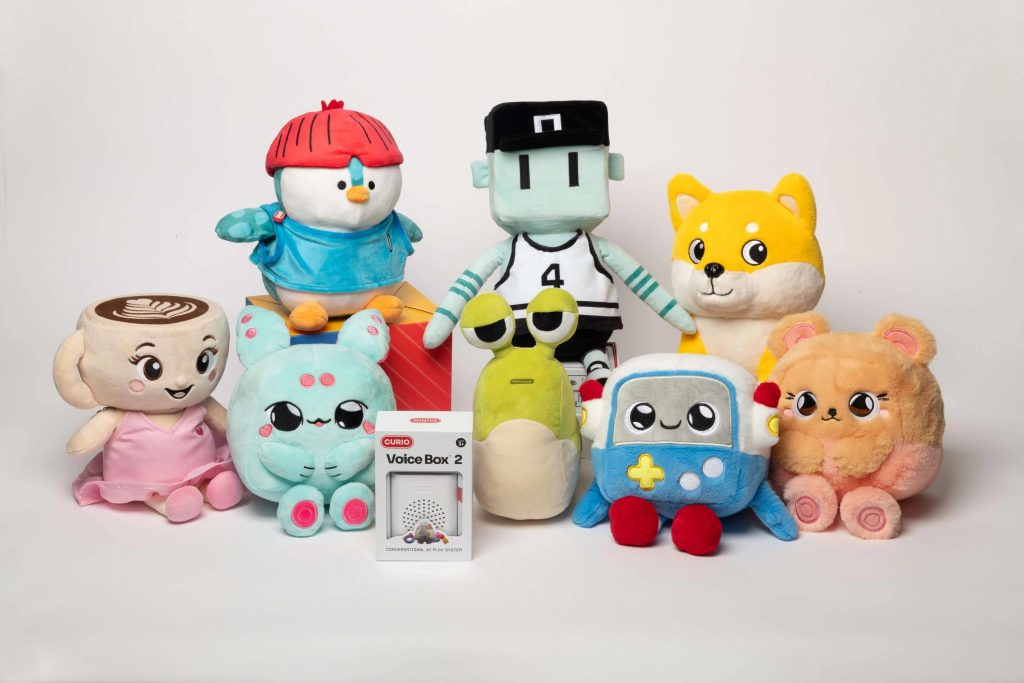
Basic interactive plush toys may play prerecorded sounds, repeat words, sing songs, or respond when a child presses a button. More advanced products can incorporate voice recognition, touch sensors, motion detection, programmable responses, or AI-powered conversations. Some designs also feature light effects, moving parts, or app connectivity.
These toys serve different purposes depending on their features and target audience. For younger children, simple sounds, music, and tactile responses may encourage sensory exploration. Educational plush toys can introduce vocabulary, stories, and basic learning activities. For older children and adults, smart plush companions may offer conversational interaction, character-based entertainment, or emotional companionship.
What Features Can Be Customized in Interactive Plush Toys
The main advantage of custom interactive plush toys is the flexibility to tailor both the physical product and its interactive experience.
Voice Interaction and Sound Effects
Voice and sound features are among the most accessible ways to make a plush toy interactive. A toy can play greetings, animal sounds, music, stories, jokes, or educational messages when a user presses a button or activates a sensor.
AI-Powered Conversations and Smart Functions
More advanced interactive plush toys can incorporate AI technology to support conversational experiences. Depending on the system architecture, these products may respond to spoken questions, generate context-sensitive answers, tell stories, or provide character-based conversations.
Light and Visual Features
LED lights and other visual effects can make plush toys more expressive. Examples include glowing cheeks, illuminated eyes, color-changing lights, or gentle lighting effects synchronized with sounds. These features can be integrated into a character’s face, paws, belly, or accessories. The design should balance visual appeal with comfort, durability, battery life, and safe access to electronic components.
Motion and Touch Sensors
Sensors allow plush toys to respond to physical interaction. Touch sensors can trigger sounds or spoken responses when a user touches a specific area, while motion sensors may activate features when the toy is moved, shaken, or picked up.
How to Customize Interactive Plush Toys for Your Brand
Developing a custom interactive plush toy involves several connected stages. Establishing the product requirements early helps manufacturers coordinate textile design, electronics, software, and production.
Define Your Target Audience and Product Concept
Begin by identifying the target customer, sales channel, and purpose of the product. A preschool learning toy may prioritize simple audio prompts and easy-to-use controls, while a character companion for older users may require more sophisticated conversational features.
Next, define the character concept, intended functions, approximate size, target retail price, and expected order quantity. It is also helpful to distinguish essential features from optional upgrades. This allows the manufacturer to evaluate feasibility and develop a product specification that aligns with your commercial objectives.
Choose Interactive Features and Technology
Once the concept is established, select the functions required for the product. These may include prerecorded audio, touch activation, motion sensing, light effects, Bluetooth connectivity, or AI-powered conversations.
The technical solution should match the intended user experience. Basic sound functions may require only a speaker, control board, buttons, and battery compartment. AI-enabled products may require microphones, speakers, processing hardware, software integration, and possibly a network connection.
Discuss the electronic architecture with your manufacturer or technology partner before finalizing the plush structure. Electronic components affect the toy’s weight, shape, internal space, and construction, so they must be considered during the early design stage.
Design the Plush Character and Appearance
The plush exterior is central to the product’s appeal. Brands can customize the character’s shape, size, fabric, colors, facial expression, embroidery, clothing, accessories, and other decorative details.
Common materials include short plush, velboa, minky fabric, and other suitable textiles, depending on the desired softness, texture, appearance, and durability. Embroidery may be appropriate for facial details, while printed or appliqué elements can support more complex designs.
The internal structure must also accommodate the electronic module without compromising comfort or appearance. Designers should consider the placement of speakers, microphones, sensors, switches, charging ports, and battery compartments. Openings and access points should be integrated carefully to maintain the plush toy’s overall design and usability.
Develop Prototypes and Test Functionality
Before mass production, the manufacturer should develop prototypes to evaluate both the plush construction and electronic performance. A physical sample helps confirm the character’s proportions, fabric quality, stitching, filling, and overall feel.
Functional testing should verify that buttons and sensors respond correctly, sound quality is acceptable, lights operate as intended, and the power system works reliably. For AI-enabled toys, testing should also cover conversation quality, connectivity, response behavior, and software-related requirements.
Manufacture, Assemble, and Conduct Quality Control
Mass production combines textile manufacturing with electronic assembly. The plush body is typically produced through fabric cutting, sewing, filling, and finishing, while the electronic module is assembled and tested according to the product specification. The two systems are then integrated, followed by final inspection.
Quality control should cover stitching, seams, filling distribution, appearance, electronic functionality, sound output, sensor response, battery performance, and component security. Inspection procedures should be defined before production begins, with particular attention to areas where the electronics and textile structure meet.
Customize Packaging and Prepare for Delivery
Packaging can reinforce your brand identity and improve the retail presentation. Options include printed boxes, window packaging, gift boxes, hang tags, and customized instruction leaflets.
For electronic plush toys, packaging should also communicate relevant operating information, charging or battery instructions, and applicable warnings. If the product uses an app or connected service, instructions should explain the setup process and any connectivity requirements.
Before shipment, the manufacturer should confirm packaging specifications, carton quantities, product labeling, and delivery arrangements. Any required compliance documentation should also be prepared for the destination market.
What Should You Consider When Developing Interactive Plush Toys
Interactive plush toys combine textile materials, filling, stitching, and sometimes small electronic components. Product safety should therefore be considered from the earliest design stage.
Requirements depend on the target age group, product features, and destination market. Relevant standards and regulations may include EN 71 in Europe and ASTM F963 and applicable CPSIA requirements in the United States. The precise testing scope should be confirmed for the finished product rather than assumed from the plush material alone.
Particular attention should be given to seam strength, small parts, accessible components, flammability where applicable, and the safety of the completed electronic assembly. A qualified manufacturer or testing laboratory can help identify the appropriate requirements.
Batteries, wiring, speakers, and control boards must be integrated securely and reliably. The design should prevent unintended access to hazardous components and allow battery replacement or charging only as intended.
Battery compartments, charging interfaces, and internal wiring should be evaluated for durability and foreseeable use. If the toy includes rechargeable batteries, buyers should confirm the charging method, battery protection features, and applicable transport requirements. Electronic testing should also consider repeated activation, normal handling, and expected product life.
How to Choose a Reliable Plush Christmas Ornament Manufacturer
Choosing the right manufacturer can have a direct impact on product quality, delivery reliability, and the overall success of a seasonal collection. Retailers should look beyond product photos and compare suppliers based on manufacturing experience, customization capabilities, quality control, communication, and production capacity.
Experience is an important starting point. A manufacturer with extensive plush production experience is more likely to understand fabric selection, sewing construction, embroidery, stuffing, trimming, and the challenges involved in producing small and detailed plush ornaments.
Customization capability is equally important. If a retailer wants original characters, custom colors, special fabrics, embroidered logos, unique accessories, or customized packaging, the manufacturer should have the appropriate design and production capabilities rather than simply offering ready-made products.
Sample quality should also be carefully evaluated. A good sample can reveal the manufacturer’s attention to detail, including stitching quality, proportions, embroidery accuracy, fabric selection, stuffing consistency, and finishing.
Quality control and testing should not be overlooked. Retailers should ask how the manufacturer controls materials and workmanship during production and what testing or inspection procedures are available for the target market.
Finally, communication and delivery capability matter greatly for seasonal products. A reliable manufacturer should provide clear information about MOQ, sampling, production schedules, packaging, shipping, and quality standards. Transparent communication helps buyers plan inventory and avoid last-minute surprises.
How to Choose a Reliable Interactive Plush Toy Manufacturer
Choosing a suitable manufacturer is essential for managing the complexity of interactive plush toy development. Look for a supplier with experience in plush construction, electronic integration, prototype development, and quality control. A factory that understands only textile production may need additional technical support to deliver advanced interactive features.
Ask potential suppliers how they coordinate the plush design and electronic system, source components, conduct functional testing, and manage design revisions. Requesting a prototype and reviewing its performance is one of the most effective ways to assess the manufacturer’s capabilities.
Communication is equally important. A reliable partner should explain technical limitations, identify potential risks, provide a clear quotation, and communicate realistic production schedules. Buyers should also clarify who is responsible for software development, AI services, connectivity, updates, and long-term technical support when these functions are included.
Finally, confirm that the manufacturer can support the required quality documentation and market-specific compliance process. A low unit price is not necessarily the best value if it excludes essential testing, software costs, or electronic reliability checks.
Why Choose Weijun Toys for Custom Interactive Plush Toys
Weijun Toys provides OEM and ODM toy manufacturing services for brands, retailers, wholesalers, and promotional companies. With more than 30 years of toy manufacturing experience, Weijun Toys helps customers develop customized products from initial concepts to mass production.
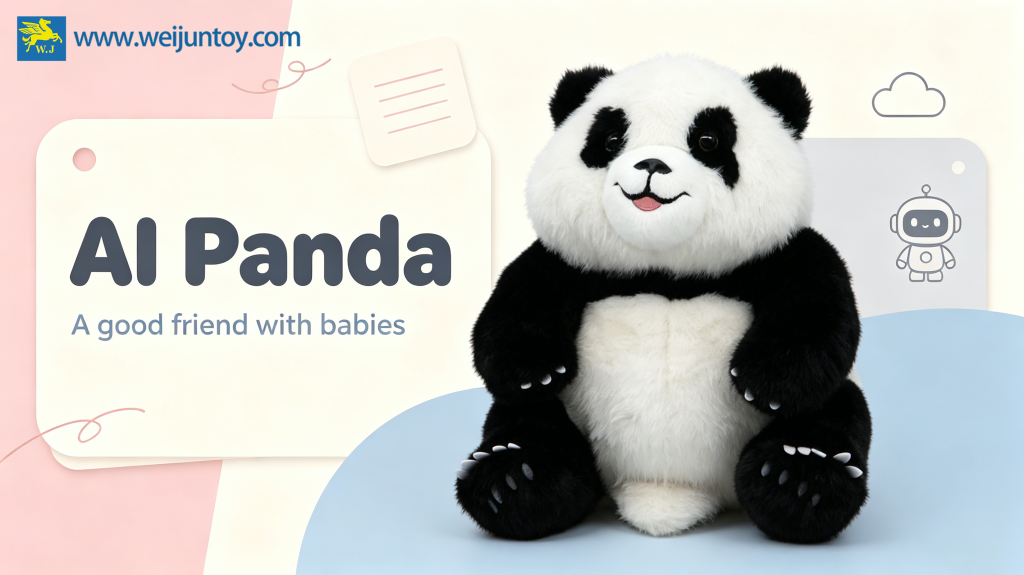
For interactive plush toy projects, brands can customize character designs, sizes, fabrics, colors, embroidery, accessories, and packaging. Product concepts can also be developed around specific interactive requirements, such as recorded voice playback, sound effects, or sensor-triggered responses, subject to technical feasibility and the availability of suitable electronic solutions.
Beyond plush toys, our product capabilities include PVC figures, ABS toys, vinyl collectibles, blind box toys, action figures, keychains, capsule toys, and customized promotional products. This range can help businesses develop coordinated merchandise collections around a character or brand.
For projects involving advanced AI conversations or connected smart functions, the electronic hardware, software, data handling, and ongoing service requirements should be evaluated separately and confirmed with the relevant technical partners. Defining these responsibilities early helps establish a realistic development plan.
 2 Modern Factories 30 Years of Toy Manufacturing Expertise 200+ Cutting-Edge Machines Plus 3 Well-Equipped Testing Laboratories 560+ Skilled Workers, Engineers, Designers, and Marketing Professionals One-Stop Customization Solutions Quality Assurance: Able to Pass EN71-1,-2,-3 and More Tests Competitive Prices and On-Time Delivery










