
Vinyl art toys are now a popular category in the global toy, lifestyle, entertainment, and retail markets. Combining distinctive characters, artistic designs, limited editions, and strong collectible appeal, vinyl figures give brands and retailers a creative way to develop unique products that stand out from conventional toys. From original characters and brand mascots to artist collaborations and exclusive collections, custom vinyl art toys can also help businesses strengthen brand identity and attract collectors.
What Are Vinyl Art Toys
Vinyl art toys are collectible figures made primarily from vinyl, typically PVC-based material, and designed with an emphasis on artistic expression, character design, and collectibility. Unlike conventional mass-market toys that are primarily designed for traditional play, vinyl art toys often focus on distinctive aesthetics, limited editions, original characters, collaborations, and display value.
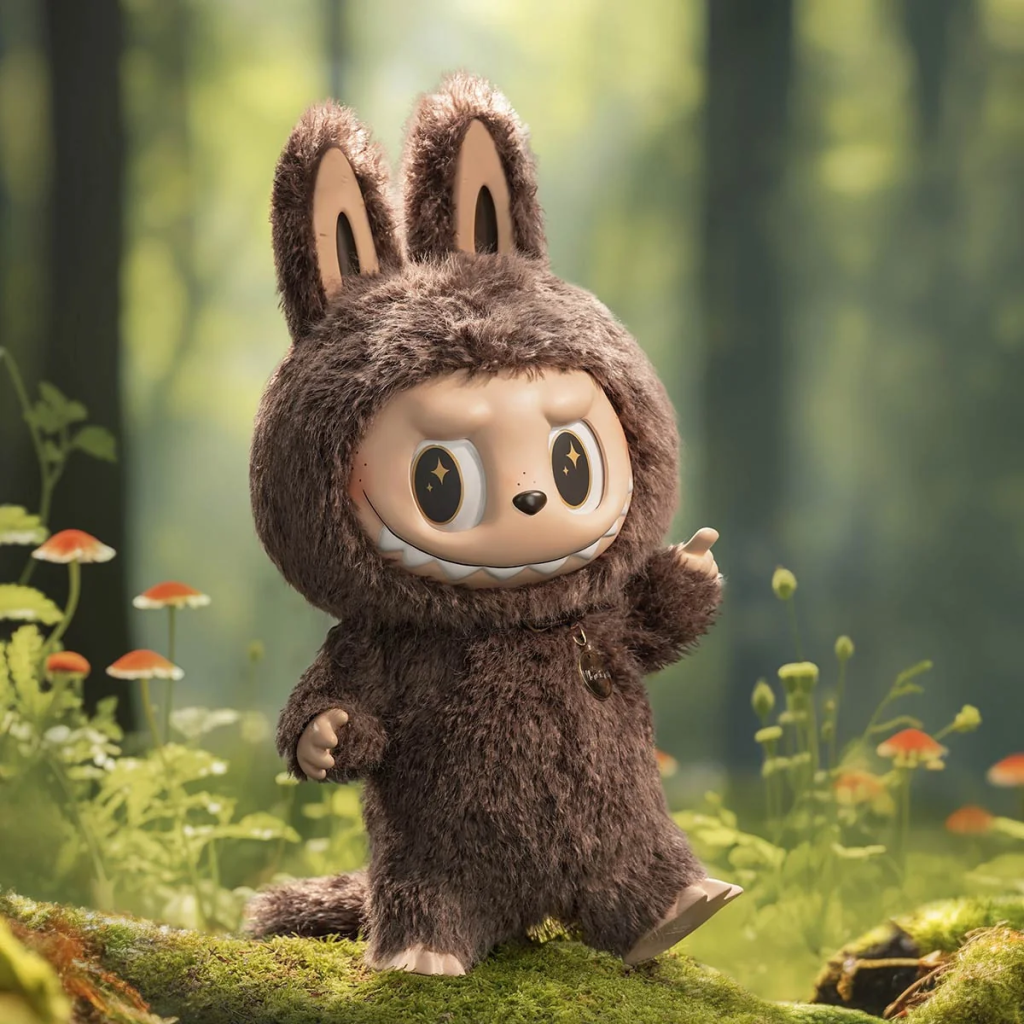
Many vinyl art toys feature stylized proportions, simplified shapes, exaggerated facial expressions, unusual color combinations, or highly recognizable character silhouettes. Their designs can range from cute and minimalist figures to highly detailed characters inspired by street art, pop culture, fantasy, animation, and contemporary art.
The production of vinyl art toys commonly involves rotocasting, also known as rotational casting. Compared with traditional injection molding, rotocasting is particularly suitable for producing hollow vinyl figures and certain larger or more sculptural designs. It allows manufacturers to create complex shapes while keeping the finished figure relatively lightweight.
How to Customize Vinyl Art Toys
Customizing a vinyl art toy is a collaborative process between the brand, designer, and manufacturer.
Step 1: Define the Concept and Design
The first step is to establish a clear concept for the vinyl art toy. The concept may come from an original character, brand mascot, illustration, artist’s artwork, entertainment property, or a completely new collectible idea.
At this stage, brands should define the target audience, product positioning, approximate size, expected retail price, quantity, and overall visual style. The character’s silhouette and proportions are particularly important. Vinyl art toys are often displayed from multiple angles, so the design should look appealing from the front, side, and back.
If the design is based on existing intellectual property, the appropriate licensing or authorization should be secured before production. For original characters, the manufacturer can help transform the artwork into a production-ready figure while maintaining the intended appearance.
Step 2: 3D Modeling and 3D Printing
Once the concept has been finalized, the artwork is converted into a three-dimensional digital model. 3D modeling allows designers and manufacturers to establish the exact dimensions, proportions, surface details, component structure, and assembly points of the figure.
A 3D-printed prototype can then be produced to evaluate the physical shape. This stage is useful for checking the character’s proportions, dimensions, surface details, and overall appearance. It is much easier and more cost-effective to modify a digital model or prototype than to make major changes after production molds have been completed.
For brands and retailers, prototype review is also an opportunity to confirm that the physical product matches the original artwork before moving forward.
Step 3: Develop the Prototype
After the 3D model has been reviewed, a physical prototype can be developed for further evaluation. Depending on the project, the prototype may be 3D printed or produced using another suitable prototyping method.
The prototype allows the client to examine details that are difficult to judge on a computer screen. At this stage, adjustments can still be made to improve the design or simplify production. For commercial products, prototype development should consider not only appearance but also production efficiency, durability, packaging requirements, and the final target cost.
Step 4: Mold Making
Once the prototype is approved, the manufacturer can proceed with mold development. The mold is one of the most important parts of vinyl toy production because it determines the basic shape and dimensional consistency of the finished figure.
The mold design needs to take the structure of the vinyl toy into account. Larger figures are often divided into multiple components, such as the head, body, arms, legs, accessories, or other separate parts. Proper mold construction helps ensure that the vinyl material can distribute evenly during rotational casting.
Step 5: Rotocasting Production
After the mold has been prepared, the vinyl components can be produced through rotocasting. Measured PVC powder is placed into the mold, which is then securely closed and heated while rotating. The heat causes the PVC material to soften and coat the interior surface of the mold, gradually forming a hollow vinyl component.
Rotocasting is especially suitable for vinyl art toys because it can produce lightweight, hollow figures with smooth surfaces and distinctive shapes.
Step 6: Painting and Assembly
After the vinyl components are removed from the molds and trimmed, they move to the finishing stage. Depending on the design, this may include base coating, spray painting, pad printing, hand painting, detailing, and other surface treatments.
Color accuracy is particularly important for branded collectibles. A manufacturer should follow approved color references and maintain consistency across production batches. Once painting is completed, individual components can be assembled. Accessories and additional parts may also be attached during this stage. The finished figure should then undergo visual and functional inspection before packaging.
Step 7: Quality Control, Packaging, and Shipping
Quality control should take place throughout production rather than only at the end. Manufacturers should inspect the vinyl material, molded components, surface finish, painting, printing, assembly, dimensions, and packaging.
For retail products, packaging is also part of the product experience. Brands can customize boxes, window packaging, blister packaging, display boxes, collector packaging, or other structures according to their sales channels and positioning.
Before shipment, finished products should be packed securely to minimize damage during transportation. Depending on the destination market and product category, the manufacturer should also support applicable testing and compliance requirements.
The Rotocasting Production of Vinyl Art Toys
Rotocasting is a key manufacturing method for many hollow vinyl art toys. The process uses heat and rotation to distribute PVC material around the interior surface of a mold.
1. Load PVC Powder into the Mold
A measured amount of PVC powder is placed into the prepared mold. The quantity needs to be controlled according to the size, structure, and desired wall thickness of the vinyl component.
2. Seal the Mold Securely
The mold is closed and securely sealed to prevent the PVC material from escaping during heating and rotation. Proper sealing is important for maintaining the shape and consistency of the finished component.
3. Heat and Rotate the Mold
The sealed mold is heated while being rotated in multiple directions. As the PVC powder melts, it gradually coats the inside surface of the mold, forming the hollow wall of the vinyl component.
4. Cool the Mold in Water
After sufficient heating and rotation, the mold is cooled in a water-cooling process. Cooling allows the softened PVC layer to solidify and retain the shape of the mold.
5. Extract the Vinyl Components
Once the material has cooled and solidified, the mold is opened and the formed vinyl component is carefully removed.
6. Trim and Finish the Parts
Excess material around mold seams and openings is trimmed away. The components are then cleaned and prepared for subsequent painting, printing, assembly, and quality inspection.
Popular Vinyl Art Toy Brands
The popularity of vinyl art toys has been strongly influenced by influential designer toy companies, artists, and collectible brands. Several names have become widely recognized among collectors and have helped shape the modern art toy market.
Medicom Toy is known internationally for its BE@RBRICK series, which has become one of the most recognizable designer collectible formats. Its collaborations with artists, brands, entertainment properties, and fashion labels demonstrate how a consistent figure platform can support many different creative directions.
Pop Mart has played a major role in bringing character collectibles and blind box culture to a global audience. Its products demonstrate the commercial potential of original characters, collectible series, limited editions, and artist collaborations.
Kidrobot is another influential name in the designer toy industry, particularly known for artist collaborations and distinctive collectible figures. Its approach highlights the relationship between contemporary art, character design, and collectible products.
Superplastic focuses on digitally inspired characters and collectible art products, combining character IP with contemporary culture and collaborations.
Mighty Jaxx has developed collectible figures and art-driven products through collaborations with artists and entertainment properties, demonstrating the opportunities for premium collectibles in lifestyle and retail markets.
KAWS is also highly influential in contemporary art and collectible culture. His recognizable character designs and collaborations have contributed significantly to the crossover between art, fashion, popular culture, and collectible figures.
Why Do People Love Collecting Vinyl Art Toys
The appeal of vinyl art toys comes from a combination of character design, artistic expression, exclusivity, and emotional connection. Unlike ordinary toys that may be purchased primarily for play, collectible figures can become display pieces, personal interests, conversation starters, or representations of a collector’s identity.
Limited editions and exclusive releases can further increase their appeal. Different colors, costumes, accessories, artist collaborations, and special editions allow collectors to build complete series rather than purchasing only one figure.
Vinyl also provides manufacturers with considerable creative flexibility. Its suitability for sculptural forms, smooth surfaces, painting, and various finishing techniques makes it possible to create products ranging from simple character figures to highly detailed collectible pieces.
How to Choose a Reliable Vinyl Art Toy Manufacturer
Choosing the right manufacturer is one of the most important decisions in a custom vinyl art toy project. A supplier should offer more than basic production capacity; it should be able to support the entire product development process from concept development and prototyping to mass production and delivery.
First, consider the manufacturer’s experience with vinyl and rotocasting production. Vinyl art toys require different manufacturing knowledge from standard injection-molded PVC toys. The supplier should understand mold construction, PVC material distribution, wall thickness, heating and cooling, trimming, painting, and assembly.
Second, evaluate the manufacturer’s OEM and ODM capabilities. For brands with completed artwork, OEM production allows the factory to manufacture according to specific designs and specifications. For companies that only have a concept, ODM services can provide support with design development, product structure, prototyping, and production.
Quality control is equally important. A reliable manufacturer should have established inspection procedures covering raw materials, molding, painting, printing, assembly, finished products, and packaging. For children’s products and toys intended for international markets, the manufacturer should also be familiar with relevant safety and compliance requirements.
Brands should also discuss MOQ, lead time, tooling costs, sample approval, packaging, and shipping before placing a bulk order. Clear communication at the beginning can help prevent unexpected costs and delays later.
Finally, request samples before mass production. A physical sample allows the buyer to evaluate the actual material, colors, surface finish, proportions, assembly, and overall quality. For custom art toys, sample approval should be treated as an important milestone before full-scale production begins.
Custom Vinyl Art Toys with Weijun Toys
With 30+ years of toy manufacturing experience, Weijun Toys provides OEM and ODM solutions for brands, retailers, artists, wholesalers, and businesses looking to develop custom collectible products.

Our capabilities cover the process from concept development and 3D prototyping to mold making, vinyl production, painting, assembly, quality control, custom packaging, and delivery. Whether you already have a complete character design or only have an initial product concept, our team can help turn your idea into a production-ready vinyl art toy.
For brands developing original characters, we can help optimize designs for manufacturing while preserving the intended artistic style. For retailers, we can develop customized sizes, colors, finishes, accessories, and packaging to create exclusive product lines. From an original character or brand concept to a finished collectible on the retail shelf, Weijun Toys provides a streamlined manufacturing solution for businesses seeking reliable custom toy production.
 2 Modern Factories 30 Years of Toy Manufacturing Expertise 200+ Cutting-Edge Machines Plus 3 Well-Equipped Testing Laboratories 560+ Skilled Workers, Engineers, Designers, and Marketing Professionals One-Stop Customization Solutions Quality Assurance: Able to Pass EN71-1,-2,-3 and More Tests Competitive Prices and On-Time Delivery










