
Character plush toys have become an important product category in the retail market, appealing to children, teenagers, collectors, and consumers who enjoy character-based merchandise. From cute animal mascots and cartoon figures to original brand characters and licensed intellectual property, plush toys offer a versatile way to bring distinctive designs into physical products. Their soft textures, expressive appearances, and collectible potential make them suitable for toy stores, gift shops, lifestyle retailers, and online merchandise businesses.
What Are Character Plush Toys
Character plush toys are soft stuffed products designed to represent recognizable characters, including animals, cartoon figures, mascots, fictional personalities, and original brand creations. They are typically made from plush fabrics and filled with soft materials such as polyester fiberfill to create a comfortable, lightweight structure.
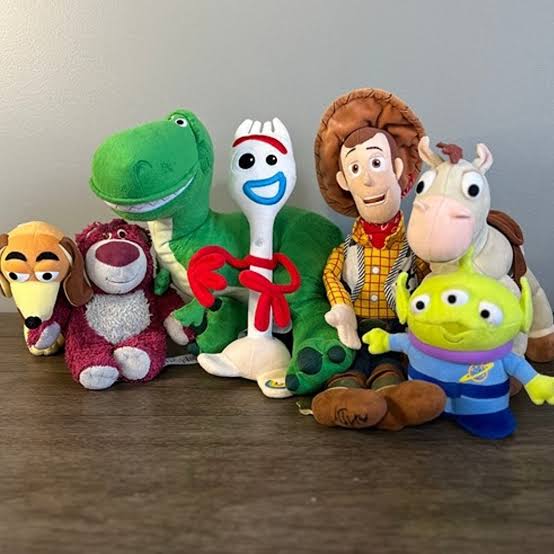
Unlike generic stuffed animals, character plush toys are developed around specific visual identities. Their facial expressions, body proportions, colors, clothing, accessories, and distinctive features help communicate a character’s personality. These details may be based on existing artwork, licensed IP, brand mascots, or concepts created specifically for a new product collection.
Character plush toys come in various forms and sizes. Common options include small plush figures, standard stuffed animals, oversized character plush, plush dolls, plush keychains, and collectible plush accessories. Some designs also incorporate sound modules, decorative elements, or other interactive features.
Why Are Character Plush Toys Popular in Retail
One reason character plush toys perform well in retail is their broad customer appeal. Soft textures, friendly expressions, and recognizable designs make them attractive to children, while adults may purchase them as collectibles, gifts, decorative accessories, or merchandise connected to their favorite characters.
Character recognition also creates commercial opportunities. A familiar mascot or licensed character can help a product stand out on retail shelves and make it easier for customers to identify with a brand. For businesses with original characters, plush toys provide a way to extend a visual identity beyond digital content, packaging, or advertising.
Another advantage is the potential for collection-based sales. Retailers can introduce multiple characters, sizes, outfits, or seasonal variations within one product range. Customers who enjoy a particular design may be interested in collecting the entire series. Limited editions, themed releases, and coordinated gift sets can further support product variety.
For brands, these products can also support long-term merchandising strategies. An original character developed for a marketing campaign, for example, may later become a plush toy, keychain, or other collectible product. This flexibility makes character plush toys valuable for businesses looking to build a consistent merchandise line.
How to Develop Custom Character Plush Toys for Retail
Developing custom character plush toys involves several stages, from defining the concept to approving the final production sample. Careful planning at each stage helps ensure that the finished product reflects the original design while remaining suitable for manufacturing and retail sale.
Define the Character Concept and Target Market
Start by identifying the character you want to develop and the customers you intend to reach. The concept may come from an existing brand mascot, an original illustration, an animal character, or an authorized licensed design.
Consider the character’s personality, visual identity, and intended retail positioning. A plush toy for young children may benefit from simple shapes, soft materials, and friendly expressions. A collectible character aimed at adult consumers may require more detailed embroidery, distinctive accessories, or a premium finish. It is also important to consider whether the plush toy will be sold individually or as part of a collection.
Develop Character Artwork and Product Specifications
Once the concept is established, prepare reference artwork and product specifications. Front, side, and back views are helpful for communicating the character’s proportions and important details. Include color references, facial features, clothing, accessories, and any elements that must remain consistent with the original design.
At this stage, define the approximate product dimensions, shape, intended materials, and expected retail price range. Clear specifications make it easier to estimate production costs and prepare an accurate prototype.
Select Suitable Fabrics and Filling Materials
Material selection affects the plush toy’s softness, appearance, durability, and cost. Polyester plush is widely used because it comes in different pile lengths, textures, and colors. Short-pile fabric is suitable for designs requiring clear outlines and detailed features, while longer-pile fabric creates a fluffier appearance.
Other options include velour, crystal super-soft fabric, and textured materials, depending on the character’s intended look and feel. Polyester fiberfill is commonly used as stuffing because it provides a lightweight and soft structure. The filling density should be selected according to the character’s size and shape to help the toy maintain its intended appearance.
Customize Size, Shape, Colors, and Character Details
The product’s dimensions and proportions should reflect both the character design and the intended retail use. Color accuracy is particularly important when reproducing recognizable brand characters. Buyers should provide clear color references and specify important details such as eye shape, mouth position, patterns, and distinctive markings.
Decoration techniques can also influence the final appearance. Embroidery is commonly used for facial features, logos, and small details. Printing can reproduce more complex graphics, while appliqué creates layered fabric elements. The manufacturer can recommend suitable techniques based on the design and selected fabric.
Develop Prototypes and Refine the Design
Prototyping is an essential stage in custom plush toy development. A physical sample allows brands to evaluate whether the original concept has been translated accurately into a three-dimensional product. Review the sample’s overall proportions, shape, softness, fabric texture, stitching, embroidery, colors, and accessories.
If the sample does not meet expectations, provide specific feedback and request revisions. Complex designs may require several rounds of sampling before approval. Once the final sample is confirmed, document the specifications so the manufacturer can use them as a reference during mass production.
Confirm Safety, Quality, and Retail Packaging
Before mass production, evaluate the product’s construction and applicable safety requirements. Depending on the target age group and destination market, relevant requirements may include EN 71 in Europe or ASTM F963 and CPSIA requirements in the United States. Chemical restrictions and material requirements should also be considered where applicable.
Packaging should be planned according to the product’s retail positioning. Options include branded hang tags, printed boxes, display packaging, and individual bags where appropriate. Packaging can communicate the character’s name, collection theme, brand identity, and product information. Retailers should also confirm labeling, warnings, and packaging requirements for their sales markets.
Key Factors to Consider When Developing Custom Character Plush Toys
Beyond the design and manufacturing process, several commercial and technical factors can influence the success of a custom plush toy project.
Target audience and retail positioning should guide decisions about character style, size, materials, and price. A product designed for young children may need a different construction approach from a collectible intended for adult fans. Understanding the customer also helps determine whether the product should be positioned as an affordable gift, everyday toy, or premium collectible.
Material quality and product safety are equally important. Fabrics, stuffing, threads, decorative components, and accessories should be appropriate for the product’s intended use. Buyers should confirm the required safety testing and documentation with the manufacturer.
Design complexity and manufacturing feasibility should be evaluated early. Highly detailed artwork may require specialized embroidery, multiple fabric types, or additional construction steps. Some details may increase production costs or make the product difficult to reproduce consistently.
MOQ, budget, and lead time also need careful planning. Minimum order quantities vary according to materials, design complexity, and production methods. Costs may include sampling, customized accessories, packaging, testing, and shipping in addition to the unit price. Lead times should account for design confirmation, sample revisions, material preparation, and mass production.
How to Choose a Reliable Character Plush Toy Manufacturer
A reliable manufacturer plays an important role in turning a character concept into a consistent retail product. Buyers should evaluate the supplier’s experience, customization capabilities, production capacity, quality control, and communication before placing an order.
Start by reviewing the manufacturer’s experience with custom plush toys. Relevant product examples can help demonstrate its ability to handle different character shapes, fabric types, embroidery details, accessories, and sizes. Request samples when possible to assess sewing quality, material consistency, and overall workmanship.
Next, evaluate its OEM and ODM capabilities. OEM services are suitable for businesses that already have approved designs and specifications. ODM support is useful when buyers need help developing a character concept, refining artwork, or adapting a design for plush production. A manufacturer that can support both approaches offers greater flexibility for different project requirements.
Production capacity and quality management should also be considered. Ask about manufacturing facilities, workforce, production processes, sampling procedures, and inspection standards. Quality checks should cover incoming materials, cutting, sewing, stuffing, decoration, assembly, and final packaging.
It is also important to confirm the manufacturer’s understanding of product safety and destination-market requirements. Discuss applicable testing, documentation, labeling, and any special construction considerations before production begins.
Finally, compare quotations, MOQ, lead times, and communication quality. A competitive price is valuable, but it should not come at the expense of material quality or production reliability. A good manufacturing partner should provide clear information, realistic schedules, and practical recommendations throughout the development process.
Why Choose Weijun Toys for Custom Character Plush Toys
Weijun Toys provides professional OEM and ODM toy manufacturing services for brands, retailers, wholesalers, and promotional companies. With more than 30 years of toy manufacturing experience, Weijun Toys supports businesses in developing customized products from initial concepts to mass production.

For custom character plush toys, Weijun Toys can support customization of character designs, dimensions, colors, fabrics, filling materials, embroidery, accessories, and packaging. Whether a brand wants to turn an existing mascot into a plush product or develop an original character collection, product specifications can be adjusted according to its design requirements and target market.
Weijun Toys offers OEM production based on customer-provided designs as well as ODM support for developing new product concepts. Its one-stop manufacturing services cover product development, prototyping, production, quality inspection, and packaging, helping businesses coordinate different stages of a custom merchandise project.
With experience across multiple toy categories and flexible customization services, Weijun Toys aims to help brands and retailers transform character concepts into distinctive, market-ready plush products.
 2 Modern Factories 30 Years of Toy Manufacturing Expertise 200+ Cutting-Edge Machines Plus 3 Well-Equipped Testing Laboratories 560+ Skilled Workers, Engineers, Designers, and Marketing Professionals One-Stop Customization Solutions Quality Assurance: Able to Pass EN71-1,-2,-3 and More Tests Competitive Prices and On-Time Delivery










