
Collectible toys have evolved from simple playthings into a major product category spanning designer toys, art figures, licensed characters, blind box collectibles, and limited-edition merchandise. For brands, creating a collectible toy can be an effective way to extend an IP, strengthen brand recognition, and develop new merchandise. For individual creators, it provides an opportunity to turn an original character or personal concept into a physical figure that can be displayed, sold, or shared with a community of collectors.
What Are Collectible Toys
Collectible toys are toys or figures designed primarily for collecting, displaying, trading, or appreciating rather than conventional play. They can include designer toys, action figures, mini figures, art toys, vinyl figures, resin statues, blind box collectibles, and character-based merchandise.
Unlike ordinary toys, collectible products often place greater emphasis on character design, artistic details, limited editions, unique finishes, and storytelling. A collection may feature one character in multiple poses or costumes, or a complete lineup of different characters built around a common theme.
Materials also vary according to the desired appearance and production method. PVC and ABS are widely used for durable mass-market figures, vinyl is popular for distinctive collectible designs, and resin is often selected for highly detailed or limited-edition pieces.
For brands, collectible toys can transform an existing IP, mascot, artwork, or creative concept into a physical merchandise product. For individual creators, they offer a way to turn an original idea into a tangible figure and potentially build a community around it.
8 Steps to Create Custom Collectible Toys for Your Brand
Creating a collectible toy for a brand requires close coordination between creative development and manufacturing engineering. The following eight steps provide a practical development process from the initial idea to the finished product.
Step 1: Concept & Character Design
Every successful collectible toy begins with a clear concept. A brand may already have an established character or IP, or it may want to develop an entirely new collectible character. Before production begins, the brand should define the character’s appearance, personality, theme, target audience, scale, and intended retail positioning.
For a collection rather than a single figure, it is important to establish a consistent visual language across the entire lineup. Different characters or variations should feel connected while still offering enough visual differences to encourage collecting. At this stage, brands should also consider how the design will translate into a three-dimensional product.
Step 2: Material Selection
Material selection affects the figure’s appearance, durability, weight, surface finish, production cost, and manufacturing method. The right choice depends on the product’s design, quantity, target price, and desired collector experience.
PVC is one of the most versatile materials for collectible figures. It offers good durability, relatively detailed molding capabilities, and flexible customization in colors and finishes. PVC is particularly suitable for character figures, mini collectibles, and products that require large-scale production.
ABS is a strong and rigid plastic with good dimensional stability. It is often used for structural components, accessories, articulated parts, and figures that require greater rigidity. ABS can also be combined with PVC to balance structural strength and visual flexibility.
Vinyl is widely associated with designer and art toys. Its distinctive appearance and manufacturing characteristics make it suitable for larger, stylized figures and character collectibles. Vinyl can create a recognizable collectible aesthetic and works well with painting and other decorative treatments.
Resin is valued for its ability to reproduce fine sculptural details and is commonly used for prototypes, statues, art toys, and smaller limited-edition productions. However, resin can be more brittle and is generally less suitable than PVC or ABS for products requiring high-volume production or frequent handling.
There is no universally best material. The decision should be based on the figure’s size, structure, surface requirements, production volume, target price, and intended use. In some projects, combining materials can provide a better solution than relying on a single material.
Step 3: 3D Modeling & 3D Printing
Once the character concept is approved, the two-dimensional artwork needs to be transformed into a three-dimensional model. 3D modeling allows designers and manufacturers to evaluate the character from multiple angles and prepare the design for physical production.
The model should include appropriate dimensions, part separation, connection points, wall thickness, and structural considerations. For collectible figures with accessories or multiple components, the model also needs to determine how each part will be assembled.
3D printing is then commonly used to create a physical prototype. It provides an efficient way to evaluate proportions and details before expensive production tooling is created. If the printed prototype reveals issues with scale, balance, facial details, accessories, or assembly, the digital model can be modified before moving forward.
Step 4: Mold Making
After the prototype is approved, the manufacturer develops production molds based on the final design. Steel molds are widely used for collectible toys intended for medium- to high-volume production because they offer excellent durability, dimensional stability, and repeatability. Compared with softer mold materials, steel tooling can withstand repeated production cycles while maintaining precise details and consistent dimensions, making it a cost-effective choice for long-term mass production.
The model may need to be divided into multiple components to accommodate the mold structure and production requirements. Engineers determine parting lines, gates, ejection methods, wall thickness, and other tooling considerations before the mold is manufactured. For detailed collectible figures, properly designed steel molds can reproduce fine sculpted features, sharp edges, and complex character details with high consistency.
Step 5: Prototype Development & Sampling
Although a 3D-printed model may already exist, a production sample provides a more realistic representation of the final collectible. The sample can reveal differences caused by the selected material, mold structure, production process, and decoration.
Brands should carefully review the sample for character accuracy, dimensions, colors, surface texture, assembly, accessories, and overall appearance. If necessary, the manufacturer can modify the mold, adjust colors, refine details, or revise individual components.
Sample approval should be treated as an important milestone. Once the final sample is confirmed, it can serve as the reference standard for mass production and quality inspection.
Step 6: Mass Production
After the sample and tooling are approved, the project moves into mass production. Depending on the material and product structure, manufacturers may use injection molding, roto-casting, or other appropriate processes.
During production, raw materials are processed into molded components and then moved through decoration and assembly operations. For large collections, manufacturers need to maintain consistency across different characters and production batches.
Production planning should also consider order quantity, MOQ, tooling capacity, lead time, packaging requirements, and shipping schedules. Working with an experienced manufacturer can help brands coordinate these elements and reduce production delays.
Step 7: Painting, Decoration & Finishing
Decoration gives a collectible figure its final visual identity. Depending on the design, manufacturers may use spray painting, pad printing, hand painting, flocking, metallic effects, or other surface treatments.
Small facial details and graphic elements require particular attention because even minor inconsistencies can affect the appearance of a collectible. Color matching is also important when producing a character collection or maintaining consistency with an established brand identity.
Special finishes can further differentiate a product. Matte, glossy, metallic, pearlescent, flocked, or textured surfaces can create different tactile and visual effects and may be particularly useful for limited editions or premium releases.
Step 8: Assembling & Packaging
The final stage combines the individual components into a finished collectible and prepares it for retail distribution. Accessories, heads, limbs, bases, or other components are assembled according to the approved design.
Packaging should protect the figure while also supporting the product’s visual identity. Depending on the product, brands may choose display boxes, window boxes, blind boxes, plastic trays, or other customized packaging.
For collectible series, packaging can also become part of the collecting experience. Character information, series numbering, limited-edition information, and branding can help consumers understand the collection and distinguish different releases.
How to Make a Collection Toy for Individual Creators
Individual creators often approach collectible toy development differently from established brands. If you already have a figure idea, you do not necessarily need to begin with professional manufacturing. You can gradually develop your skills and refine the concept before investing in commercial production.
Start with kitbashing by combining existing figures, accessories, or components to experiment with proportions and character concepts. Kitbashing is a practical way to understand how different shapes and components can work together without sculpting an entire figure from scratch.
Once you have a basic form, explore custom painting techniques to change colors, add details, and create a unique appearance. Painting is one of the easiest ways to transform an existing figure into a personalized collectible.
As your skills develop, learn to create custom sculpted parts using traditional sculpting materials or digital sculpting tools. This gives you greater control over facial features, clothing, accessories, and other character details.
The next step is to learn 3D modeling and design software. Digital modeling allows you to create increasingly original designs and prepare them for 3D printing. You can then design and 3D print your own figure, allowing you to test the character physically and make multiple revisions.
If your figure develops a strong following or you want to produce it commercially, you can consider launching the project on Kickstarter or another crowdfunding platform. A successful campaign can help validate demand and provide funding for tooling and production.
When the project reaches a stage where professional production is necessary, the final step is to find a professional toy manufacturer. A manufacturer can help convert your prototype into a production-ready product, develop molds, optimize materials, and handle larger-scale manufacturing.
How to Start a Toy Collection
Starting a toy collection does not require a large budget or a dedicated room. The most important step is to decide what you genuinely enjoy collecting. You might focus on a particular character, brand, toy line, material, scale, era, or design style.
Once you know what you want, look for reliable sellers through established retailers, specialist collectible stores, reputable online marketplaces, toy conventions, or direct brand stores. When buying collectible toys, especially older or limited-edition products, authenticity is important.
Condition is another major consideration. Collectors should examine the figure itself as well as packaging, accessories, paint condition, and signs of repair or modification. For valuable collectibles, original packaging and documentation may also influence the item’s value.
Create a suitable display space. Shelving, display cabinets, acrylic cases, and dedicated collector displays can keep figures organized while allowing you to enjoy the collection. Good organization also makes it easier to track different series and identify missing pieces.
Finally, proper care helps preserve a collection over time. Collectibles should generally be protected from excessive sunlight, heat, moisture, dust, and significant temperature fluctuations. Figures should also be handled carefully to avoid scratches, paint damage, or broken accessories.
Weijun Toys: Your Trusted Collectible Toy Manufacturer
With more than 30 years of toy manufacturing experience, Weijun Toys provides professional OEM and ODM solutions for brands looking to develop custom collectible toys and character merchandise.
We specialize in PVC figures, ABS plastic toys, vinyl collectibles, action figures, blind box collectibles, plush toys, keychains, capsule toys, and other customized promotional products. Our services cover the complete development process, including design support, 3D modeling, prototyping, mold making, production, painting, assembly, quality inspection, and packaging.
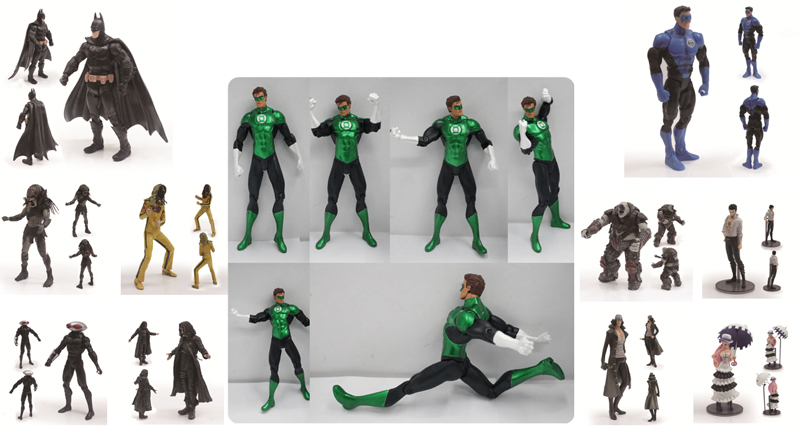
For brands, our integrated capabilities make it possible to develop collectible toys from an initial concept through to mass production. We can work with existing character artwork, 3D files, prototypes, or early-stage concepts and help optimize them for manufacturing.
Whether you are developing a new designer toy, expanding an existing IP, creating a collectible series, or preparing a promotional product line, Weijun Toys can provide flexible OEM and ODM manufacturing support tailored to your project.
 2 Modern Factories 30 Years of Toy Manufacturing Expertise 200+ Cutting-Edge Machines Plus 3 Well-Equipped Testing Laboratories 560+ Skilled Workers, Engineers, Designers, and Marketing Professionals One-Stop Customization Solutions Quality Assurance: Able to Pass EN71-1,-2,-3 and More Tests Competitive Prices and On-Time Delivery










