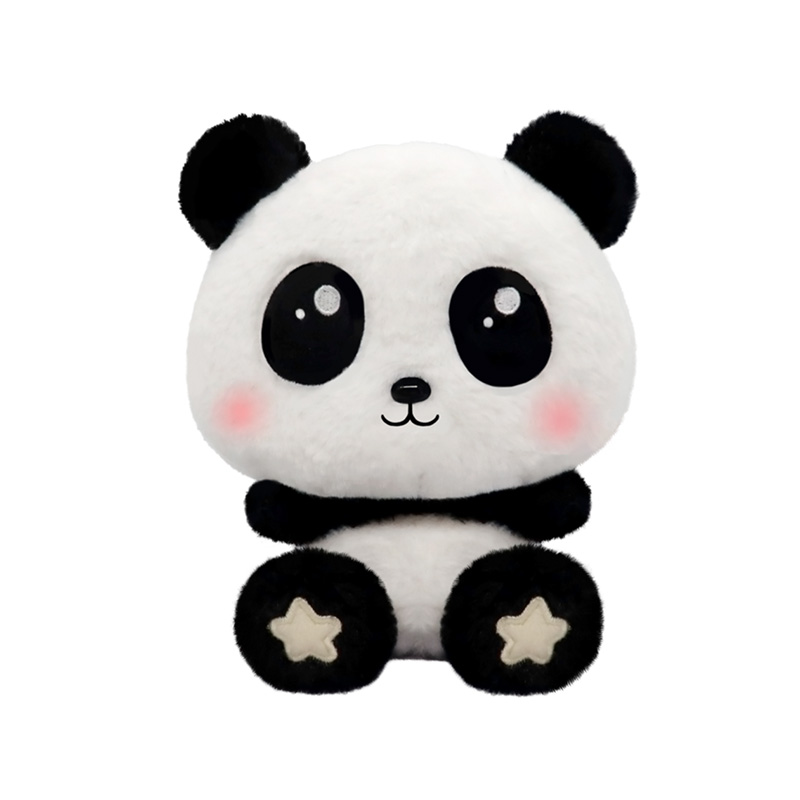
Ever wondered how custom plush toys are made from scratch in a factory? Whether you’re a toy brand, retailer, or startup, understanding the full plush toy manufacturing process can help you plan your product timeline and make informed decisions. In this guide, we’ll walk you through each step of how plush toys are made—from the early design concept to final quality checks and international shipping.
1. From Idea to Design: Creating a Plush Toy Concept
Every plush toy begins with a creative spark—a vision of something soft, huggable, and full of personality. Whether you’re imagining a cute animal, a whimsical cartoon, or a licensed character, the first step in the plush toy design process is to turn that idea into a visual and functional plan.
Sketching the Concept
Designers start by translating your idea into hand-drawn or digital sketches. These initial illustrations capture the plush toy’s overall shape, facial expressions, colors, and proportions. Details like the size of the ears, the curve of the tail, or the stitching on a smile are carefully considered to bring the toy’s personality to life.
Creating a 3D or CAD Model
Once the basic design is in place, some manufacturers develop a 3D model using CAD (Computer-Aided Design) software. This step allows you to see a digital version of the toy from all angles. It helps identify any structural or balance issues early—especially useful for more complex plush toys or those with accessories like hats, bags, or costumes.
Choosing Materials and Features
With the visuals ready, the next part of stuffed toy concept creation is selecting materials. You’ll choose:
- Fabric texture: Soft fleece, velboa, cotton, or faux fur.
- Stuffing: Regular polyester fiberfill or eco-friendly options like recycled filling.
- Special features: Embroidered eyes, plastic noses, custom labels, sound chips, or even internal wiring for poseability.
This stage is also when safety and compliance considerations are factored in, especially if your plush toy is intended for children.
A thoughtful, well-detailed design makes it easier for the factory to bring your plush toy to life—accurately, efficiently, and safely.

2. Choosing the Right Materials for Plush Toys
The feel, look, and safety of a plush toy all come down to one essential factor: the materials used. Choosing the right combination of fabrics, fillings, and accessories is crucial—not only for achieving the desired aesthetic but also for ensuring comfort, durability, and safety.
Common Fabric Types for Plush Toys
Different plush toys call for different textures. Here are some of the most commonly used materials in plush toy manufacturing:
- Velboa: A low-pile, soft fabric that’s lightweight and affordable—ideal for promotional or budget-friendly toys.
- Minky (or Plush Fleece): Extra-soft and thick, often used for baby toys or premium plush collectibles.
- Faux Fur: Used for animal toys with realistic or wild appearances.
- Cotton or Linen Blends: Occasionally used for a more natural or vintage look, especially in handmade or eco-focused designs.
Each material is selected based on the toy’s purpose, target age group, and brand preference.
Stuffing and Filling Options
What’s inside matters too. Plush toys are typically filled with:
- Polyester Fiberfill: The most common choice—lightweight, washable, and soft.
- Recycled Fill: Eco-friendly fiber made from recycled PET bottles or fabrics, increasingly popular with sustainable brands.
- Bean Pellets: Sometimes added in small sections (like hands or feet) to give weight and structure.
Factories ensure that stuffing materials meet safety standards for flammability, cleanliness, and chemical content—especially when the toy is made for young children.
Extra Materials and Accessories
Depending on the toy design, additional elements may be included:
- Plastic Safety Eyes and Noses (securely attached and tested)
- Embroidery Thread (for stitched features)
- Sound Chips or Music Boxes (for interactive plush toys)
- Wire Skeletons or Magnets (in poseable or novelty toys)
All materials used must comply with regional safety regulations like EN71 in Europe or ASTM F963 in the U.S., ensuring the final plush toy is both adorable and safe.

3. Prototype Development: Bringing Your Design to Life
After the design is finalized, it’s time to move from paper (or screen) to something real—this is where plush toy prototype development begins. This stage is crucial, as it transforms your idea into a tangible product for the very first time. It also sets the foundation for mass production, so accuracy and attention to detail are key.
Pattern Making
The process starts with a skilled sewing technician who carefully creates a custom pattern. This pattern acts like a blueprint, outlining every shape and cut needed to bring the plush toy to life. Each piece—whether it’s the body, limbs, ears, or tail—is precisely measured and marked based on your design specifications.
Handmade First Sample
Using the chosen fabrics and materials, an experienced artisan at the custom plush toy maker’s factory hand-sews the first sample. This step brings the flat pattern pieces into 3D form, giving the plush toy its structure, volume, and personality. Special features like embroidery, plastic eyes, or clothing are added at this stage to match the intended final product.
Sample Review and Revisions
Once the prototype is complete, the factory shares detailed photos—or ships the sample to you for hands-on review. This is your opportunity to check proportions, materials, colors, and overall look and feel. If something’s off—whether it’s the size of the head, the shape of the arms, or the softness of the fabric—this is the time to request adjustments.
Multiple rounds of revision are common in the plush toy manufacturing process, especially for highly customized designs. The goal is to get everything just right before full production begins.
Setting the Standard
Once you approve the prototype, it becomes the master sample. This sample will be used as a reference for all quality control checks during mass production, ensuring every plush toy in the batch matches your original vision.
4. Mass Production: Manufacturing the Plush Toy at Scale
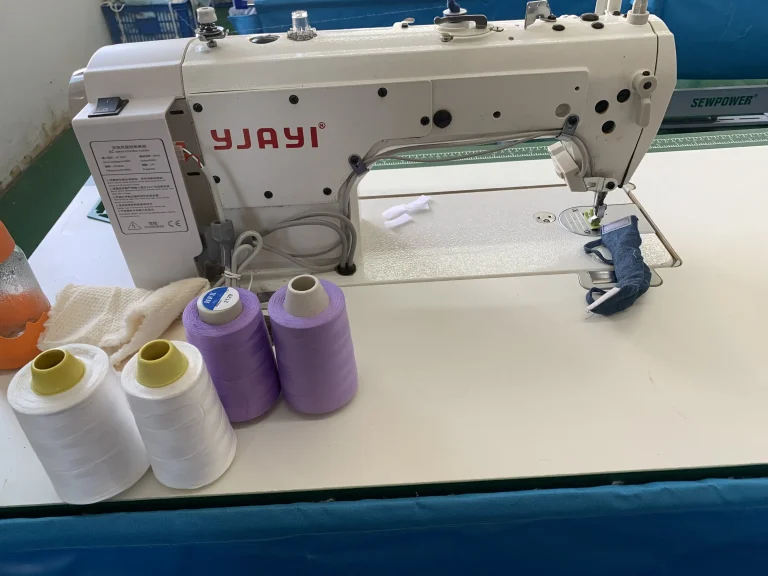
Once the prototype is approved, it’s time for full-scale production to begin. This is where your plush toy truly comes to life—in large numbers—on the floor of a custom plush toy factory. Every step is carefully managed to ensure quality, consistency, and efficiency, especially when producing thousands of units for global distribution.
Fabric Cutting
Production begins with precision cutting. The approved pattern from the prototype is used to guide high-efficiency cutting machines or skilled workers using hand tools. Each piece—arms, legs, body, ears, and more—is cut from rolls of plush fabric in the exact shapes and sizes needed. Consistency at this stage is critical to ensure all toys match the approved sample.
Sewing and Assembly
Next comes the soft toy sewing process. Experienced sewers stitch the cut pieces together, forming the basic structure of the plush toy. Limbs, heads, and other components are carefully joined. Once the shell is complete, stuffing is added—usually polyester fiberfill—to give the toy its soft, squeezable shape.
If the toy includes special features like squeakers, sound chips, or weighted beads, these are inserted during this phase. Quality control checks are often built into this step to ensure secure stitching and symmetrical construction.
Detailing and Finishing Touches
With the plush toy’s body assembled, it’s time to add character. Embroidery machines are used to apply eyes, noses, mouths, logos, and other custom details. If your design includes clothing, accessories, or brand tags, these are added here. Workers take special care to position and secure each element according to the prototype’s specifications.
Whether you’re creating 5,000 pieces or 500,000, each unit follows the same set of stuffed animal production steps to ensure your brand’s toy is delivered exactly as envisioned.

5. Quality Control: Ensuring a Safe and Perfect Plush
Before any plush toy is packed and shipped, it must pass a series of thorough quality checks. This phase ensures every piece meets both aesthetic standards and strict safety regulations—especially important when the end users are children.
Visual Inspection
Each plush toy is carefully examined by trained QC personnel. They look for visible flaws such as uneven stitching, fabric defects, misaligned embroidery, or asymmetrical shapes. This step also checks that the toy accurately reflects the approved prototype, right down to facial expressions and accessory placement.
Strength and Durability Testing
Next, each unit undergoes pull and stress tests to ensure all parts are securely attached. Technicians check that eyes, noses, buttons, zippers, and limbs can withstand normal handling without coming loose. This is particularly important to prevent choking hazards in toys meant for younger children.
Safety Testing and Certification
High-quality manufacturers often take safety a step further by submitting samples from each batch for formal lab testing. These tests screen for:
- Choking Hazards (small parts and components)
- Flammability Compliance
- Toxic Substances (such as lead, phthalates, or formaldehyde)
Depending on the target market, plush toys must comply with safety standards like EN71 (Europe), ASTM F963 (USA), or ISO 8124 (international). Professional plush toy quality control processes combine internal inspection with certified third-party safety testing for plush toys—giving you peace of mind and ensuring consumer trust.

6. Packaging and Shipping: From Factory to Your Warehouse
Once the toys have passed inspection, they’re ready to be packed and shipped. But even this final stage involves important decisions that affect presentation, protection, and logistics.
Tailored Packaging Solutions
Depending on your product and branding strategy, your plush toys can be packaged in a variety of ways:
- Individual Polybags: Simple and cost-effective, commonly used for toys sold in bulk or for claw machines.
- Custom Retail Boxes: Ideal for collectibles, gift sets, or licensed characters—these boxes can include windows, logos, and full-color artwork.
- Display-Ready Packaging: For toys going straight to store shelves, packaging may include hanging tags or shelf-ready trays.
Plush toy packaging solutions can also include eco-friendly options like recycled cardboard or biodegradable bags for brands focused on sustainability.
Labeling and Compliance Documents
Before export, all toys must be labeled properly. This includes:
- Barcodes or QR codes
- Age grading and safety warnings
- Brand and item details
- Country of origin and compliance marks (e.g., CE, ASTM)
Export documents such as packing lists, invoices, and customs forms are prepared by the factory or logistics partner to meet international shipping requirements.
Shipping and Delivery Options
Shipping custom plush toys depends on your destination, budget, and schedule:
- Sea Freight: Most cost-effective for bulk orders, ideal for large shipments with flexible delivery timelines.
- Air Freight: Faster than sea but more expensive; suitable for urgent orders or smaller volumes.
- Express Courier (DHL, FedEx, UPS): Offers door-to-door delivery and real-time tracking—often used for prototypes or limited runs.
As many plush toys are exported from China, experienced manufacturers typically work with global logistics partners to streamline the international plush toy shipping process. Whether shipping to a warehouse, retailer, or fulfillment center, they ensure your products arrive safely and on time.
Final Tips for Brands:
- Choose a manufacturer that offers both OEM and ODM services.
- Ask for certifications and factory audits.
- Clarify minimum order quantities and timelines early.
- Always request a sample before mass production.
Conclusion: Partner with the Right Plush Toy Manufacturer
Making a plush toy is a detailed process—but with the right manufacturer, it can be smooth and rewarding. Whether you’re producing for retail, promotions, or as a licensed product, a reliable plush toy manufacturer in China, such as Weijun Toys, can help you turn your idea into a safe, adorable, and high-quality toy.
Weijun Toys: Your Trusted Plush Toy Manufacturer
 2 Modern Factories 30 Years of Toy Manufacturing Expertise 200+ Cutting-Edge Machines Plus 3 Well-Equipped Testing Laboratories 560+ Skilled Workers, Engineers, Designers, and Marketing Professionals One-Stop Customization Solutions Quality Assurance: Able to Pass EN71-1,-2,-3 and More Tests Competitive Prices and On-Time Delivery