
Promotional toys and gifts for kids are widely used by fast-food chains, food and beverage brands, retailers, entertainment companies, event organizers, and businesses looking to create memorable customer experiences. From miniature figurines and plush toys to collectible blind boxes and interactive toys, these products can turn an ordinary purchase or brand interaction into an engaging experience for children and families.
Popular Types of Promotional Toys and Gifts for Kids
Choosing the right promotional toy starts with understanding the target audience, distribution channel, and campaign objectives.
PVC Figures and Mini Figurines
PVC figures and mini figurines are popular options for promotional campaigns because they can be manufactured in a wide range of shapes, sizes, colors, and character styles. Animal figures, fantasy creatures, cartoon-inspired characters, and branded mascots can all be developed into compact collectibles suitable for retail giveaways, kids’ meal promotions, and event merchandise.
Plush Toys and Stuffed Animals
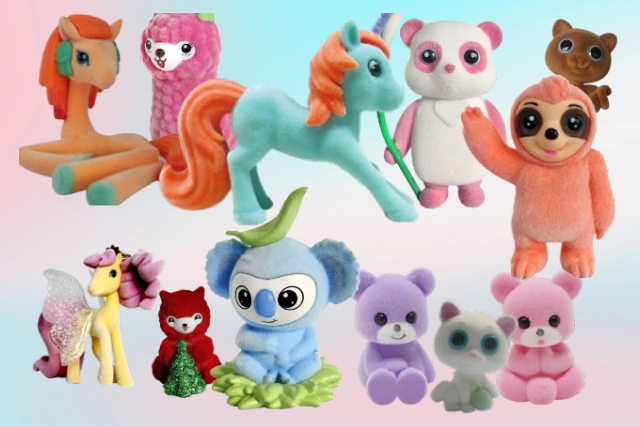
Plush toys are well suited to campaigns that aim to create a warm, friendly connection with children and families. Their soft texture and approachable appearance make them useful for brand giveaways, seasonal promotions, retail gifts, loyalty programs, and character merchandise. Common options include plush animals, mascots, dolls, miniature stuffed characters, plush pendants, and keychain-sized plush toys.

Blind Box Toys and Collectible Figures
Blind box toys and collectible figures are useful for campaigns built around discovery, character variety, and repeat engagement. A collection may contain several characters with different colors, poses, or themes, with each package containing one of the designated designs.

Toy Keychains and Bag Charms
Toy keychains and bag charms are compact promotional gifts that customers can attach to backpacks, handbags, pencil cases, or keys. Their portability makes them suitable for school-related promotions, retail events, exhibitions, loyalty rewards, and seasonal giveaways. These products can take several forms, including miniature PVC figures, plush pendants, character-shaped charms, and small molded accessories.
Kids’ Meal Toys and Fast Food Toys
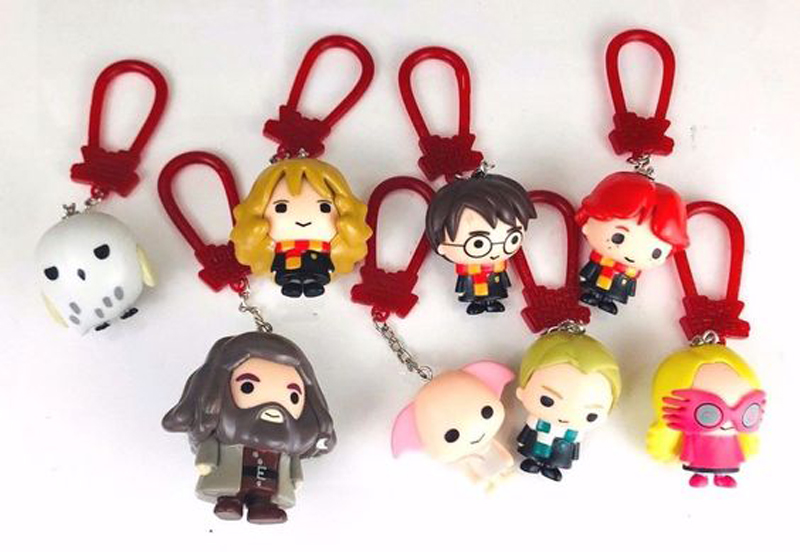
Kids’ meal toys are a well-established format for family-oriented restaurant promotions. They can help create themed dining experiences and give children an additional activity or gift alongside a meal. Common choices include miniature figures, small vehicles, simple playsets, collectible characters, plush toys, and activity-based toys.
Capsule Toys and Gashapon Figures
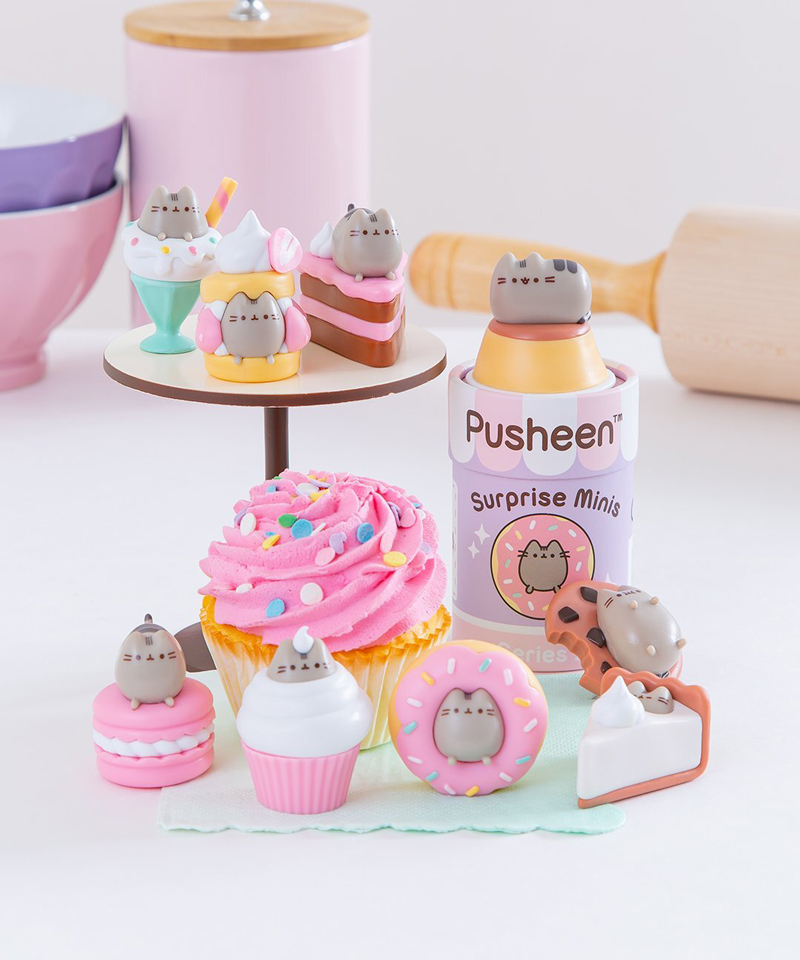
Capsule toys, often associated with vending machines and gashapon-style collections, are suitable for interactive promotions in shopping malls, family entertainment centers, restaurants, and retail environments. A typical capsule toy program may feature miniature figures, small accessories, animal characters, or collectible charms packaged in capsules. The capsule format adds an element of surprise and can make the distribution process engaging, particularly when customers collect different designs.
Interactive Toys and Smart Plush Toys
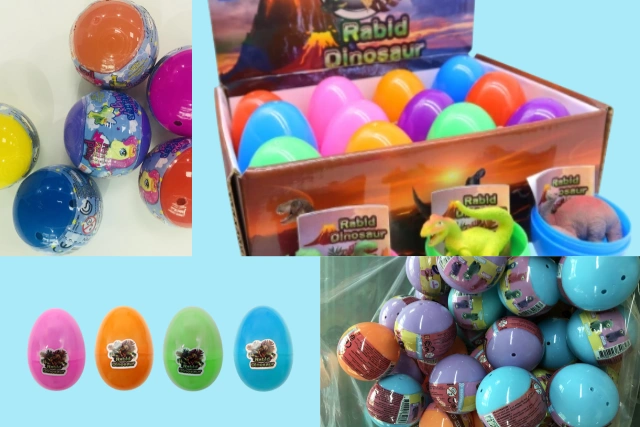
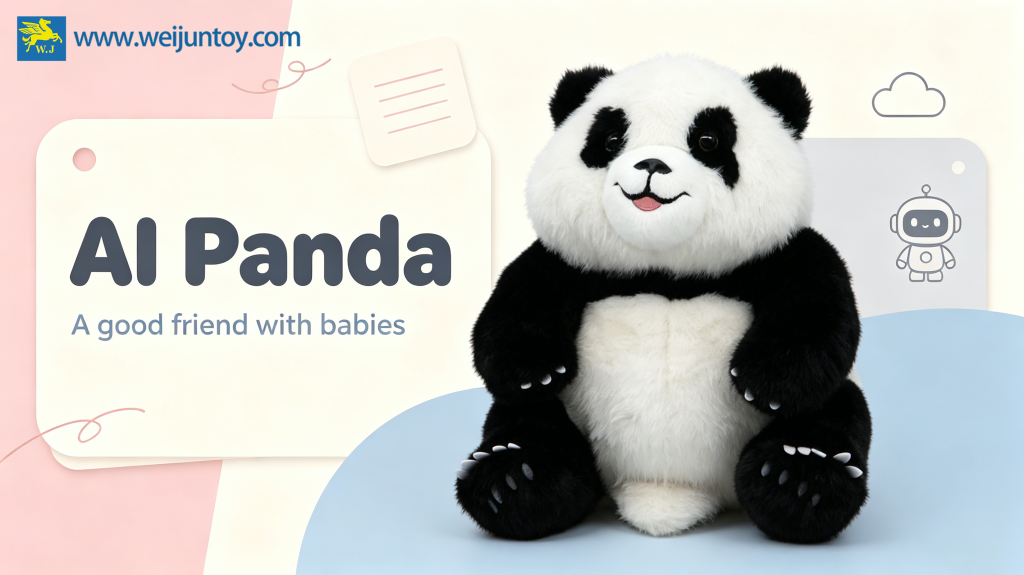
Interactive toys and smart plush toys can create a more engaging promotional experience by incorporating features such as sound, voice playback, movement, touch response, or programmable content. Depending on the product concept, they may be suitable for technology-focused brands, educational campaigns, family entertainment promotions, and premium gift programs.
Fidget Toys and Squishy Toys
Fidget toys and squishy toys offer tactile interaction that can make them appealing as casual play items, event giveaways, and small promotional gifts. Popular options include squeezable character toys, soft stress-relief shapes, textured fidget items, and colorful novelty toys.
How to Source Promotional Toys and Gifts in Bulk
Sourcing promotional toys successfully involves coordinating product selection, customization, budgeting, sampling, compliance, and production. A structured process helps buyers reduce uncertainty and avoid last-minute changes that could affect campaign delivery.
Define Your Campaign Objectives and Target Audience
Begin by clarifying what the promotional toys are intended to achieve. A kids’ meal campaign may prioritize compact size, broad appeal, and cost efficiency, while a retail loyalty program may focus on collectibility and perceived gift value. An exhibition giveaway may require lightweight products that are easy to distribute in large quantities.
The target age group is equally important. Toys intended for preschool children may require different design, construction, and labeling considerations from products intended for older children. Buyers should also consider whether the products will be sold individually, distributed for free, included with another purchase, or offered as part of a loyalty or membership program.
These decisions help establish a practical direction for product design, quantity planning, and supplier selection.
Choose the Right Product and Customization Approach
Once the campaign objectives are clear, shortlist products that match the budget, distribution method, and desired customer experience. Buyers with a limited budget may prioritize compact figures, simple keychains, or small capsule toys. Campaigns seeking a softer and more gift-oriented feel may be better suited to plush toys, while collectible series can support multi-stage promotional programs.
Next, decide how much customization is necessary. The level of customization affects both cost and development time. For molded figures, original shapes may require mold development and multiple rounds of sampling. For plush toys, intricate shapes, embroidery, and accessories may increase sewing complexity. Whenever possible, simplify unnecessary details while preserving the essential features of the design.
Providing clear artwork, dimensions, material preferences, color references, and packaging expectations helps manufacturers assess feasibility and prepare more accurate quotations.
Request Samples Before Mass Production
Sampling is a critical step when sourcing customized promotional toys. A product may look attractive in a digital illustration but differ in its actual dimensions, materials, colors, construction, or finish.
A physical sample allows the buyer to review the product’s appearance and usability before approving a large order. For PVC figures, this may involve checking the shape, paint application, surface finish, and assembly. For plush toys, buyers should assess the fabric, stitching, stuffing, embroidery, and overall proportions. Interactive products may require functional testing in addition to visual inspection.
Where changes are necessary, consolidate feedback and provide clear revision instructions. Once the final sample and specifications are approved, they should serve as the reference for mass production. Any subsequent changes should be documented and approved to reduce the risk of inconsistent results.
Confirm Safety, Testing, and Labeling Requirements
Product safety should be considered from the beginning, especially when promotional gifts are intended for children. Applicable requirements depend on the destination market, the product category, the intended age group, and the materials and components used.
For the US market, relevant requirements may include applicable provisions of ASTM F963, the Consumer Product Safety Improvement Act (CPSIA), and testing or certification obligations under US law. In the European market, relevant requirements may include the applicable EU toy safety framework and EN 71 standards. The exact obligations vary by product and market, so buyers should confirm the current requirements with qualified testing and compliance professionals.
Material and construction considerations may include restricted substances, accessible small parts, sharp edges, mechanical hazards, seam strength, and the security of decorative features. Electronic toys may have additional requirements relating to electrical safety, batteries, electromagnetic compatibility, or other applicable regulations.
Plan Production, Quality Control, and Delivery
After sample approval and confirmation of the order specifications, buyers should agree on the production schedule, quantity breakdown, packaging method, inspection arrangements, and shipping plan.
For large-volume campaigns, quality control should cover the characteristics that matter most to the finished product. Buyers should also confirm how defects or discrepancies will be handled and whether pre-shipment inspection is required. Clear acceptance criteria established before production make it easier to assess whether the delivered goods match the approved sample and specifications.
Finally, allow sufficient time for transportation, customs procedures where applicable, and distribution to individual stores or campaign locations. Promotional products are often tied to a fixed launch date, so production and logistics planning should work backward from the date the goods must be available.
How to Choose a Promotional Toy Supplier
A reliable promotional toy supplier should offer more than competitive pricing. The supplier needs to understand the campaign requirements, assess product feasibility, maintain consistent manufacturing quality, and communicate clearly throughout development and delivery.
Manufacturing and customization capabilities are a useful starting point. Check whether the supplier has experience with the required product category and can support the necessary processes. If you need a new design, ask whether the supplier offers OEM production based on your specifications, ODM development, or both.
Quality management and compliance support are equally important. Ask how materials are controlled, samples are approved, production is inspected, and product-specific testing requirements are addressed. Request relevant documentation where appropriate and verify that it matches the actual product and intended market.
Production capacity and lead time should be assessed against the campaign schedule. A supplier may offer an attractive price but lack the capacity or planning flexibility needed for a large seasonal order. Discuss order quantities, production milestones, sampling time, packaging, and shipping expectations before committing.
Communication and quotation transparency can help prevent avoidable problems. A professional supplier should explain which specifications are included in the quote, identify potential cost drivers, and notify buyers when a design or delivery requirement may create difficulties. Clear communication is particularly valuable when multiple product designs or packaging variations are involved.
Finally, evaluate the overall value rather than selecting a supplier solely on the lowest price. Product quality, customization capabilities, compliance support, delivery reliability, and responsiveness all affect the success of a promotional campaign.
Why Choose Weijun Toys for Bulk Promotional Toys and Gifts
Weijun Toys provides professional OEM and ODM services for businesses developing customized toys, collectibles, and promotional merchandise. With more than 30 years of toy manufacturing experience, Weijun supports projects from concept development and design refinement to sampling, mass production, and packaging.
Our product capabilities cover a range of toy categories, including PVC figures, mini figurines, collectible toys, plush toys, keychains, blind box products, and other customized promotional items. This range allows buyers to explore different product formats for kids’ meal promotions, seasonal campaigns, retail giveaways, and branded merchandise.

For bulk orders, Weijun Toys can work with buyers to clarify design specifications, sampling requirements, order quantities, packaging needs, production schedules, and applicable product safety requirements. Establishing these details early helps both parties align expectations before mass production begins.
Whether you are developing collectible figures for a restaurant promotion, custom plush gifts for a retail campaign, or branded keychains for a large event, Weijun Toys can discuss your concept and help assess the appropriate product development approach.
 2 Modern Factories 30 Years of Toy Manufacturing Expertise 200+ Cutting-Edge Machines Plus 3 Well-Equipped Testing Laboratories 560+ Skilled Workers, Engineers, Designers, and Marketing Professionals One-Stop Customization Solutions Quality Assurance: Able to Pass EN71-1,-2,-3 and More Tests Competitive Prices and On-Time Delivery










