
Today, plush toys have become collectible products that appeal to a wide range of consumers, including children, adult collectors, gift buyers, and fans of character-driven merchandise. Premium materials, unique designs, emotional connections, and limited-edition releases have transformed plush toys into lifestyle products with strong cultural and commercial value.
This article reviews 12 of the most influential stuffed animal brands. From heritage brands that have mastered craftsmanship for more than a century to modern companies that have created viral plush sensations, each brand has developed its own approach to softness, safety, creativity, and collectibility.
Douglas
Founded in 1956, Douglas is a family-owned plush toy company known for creating high-quality stuffed animals with realistic designs and exceptional craftsmanship. The brand has built a strong reputation among collectors and gift buyers through its extensive selection of wildlife plush, baby animals, and seasonal characters.
Douglas specializes in lifelike animal plush toys, including dogs, cats, bears, farm animals, and exotic wildlife. Many of its products are designed with realistic details, such as accurate facial expressions, natural fur textures, and carefully developed proportions. The brand is especially popular among consumers who appreciate educational value and realistic animal representation.
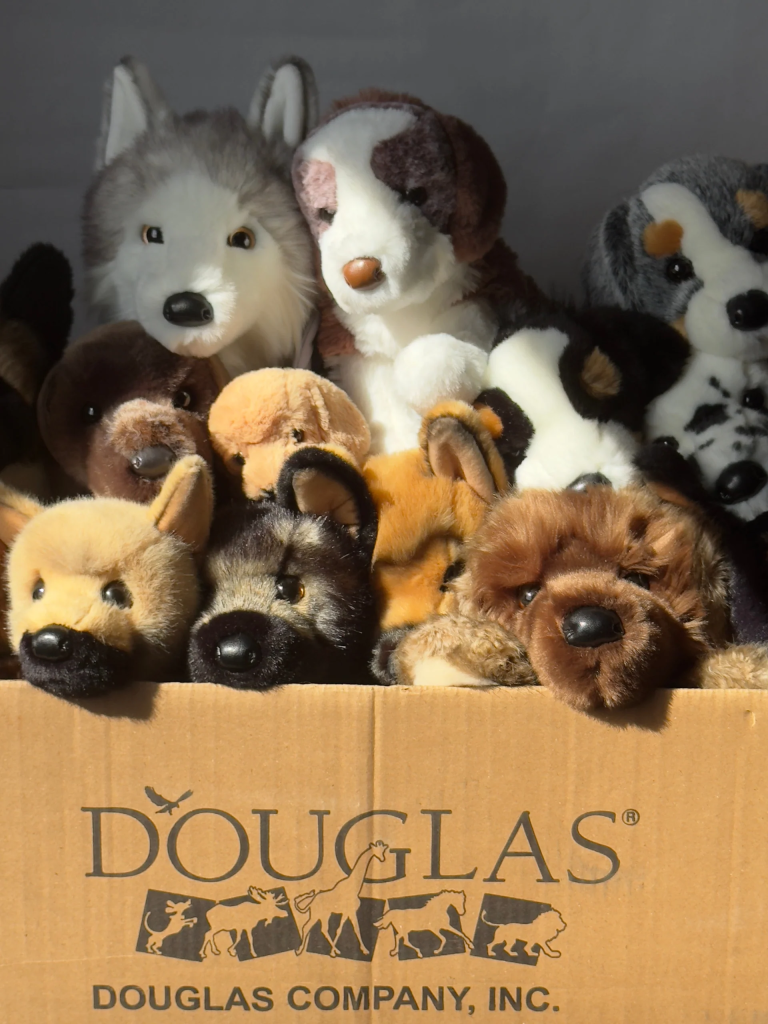
One of Douglas’ biggest strengths is its balance between realism, softness, and affordability. Compared with some premium collector brands, Douglas products remain accessible while maintaining strong quality standards. However, its designs tend to focus more on realistic animals rather than highly stylized or trend-driven characters, which may limit appeal among consumers seeking fashionable collectible plush toys.
Jellycat
Established in 1999 in London, Jellycat has become one of the most recognizable premium plush toy brands worldwide. The company gained popularity through its unique combination of imaginative character design, luxurious softness, and emotional storytelling.
Jellycat is best known for its Bashful Bunny collection, Amuseables series, and a wide range of creative characters inspired by animals, food, plants, and everyday objects. The brand has successfully transformed plush toys into fashionable lifestyle products frequently featured in gift shops, boutiques, and social media content.
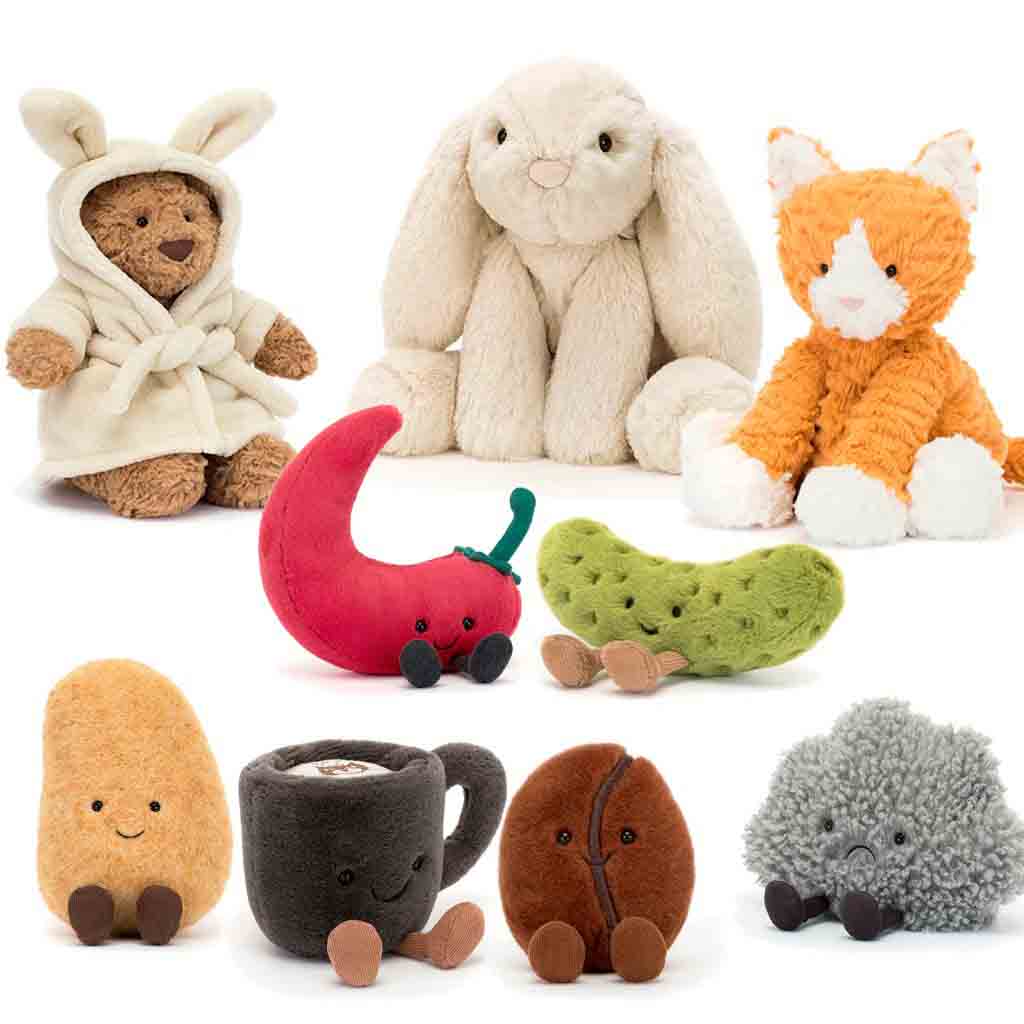
The major advantage of Jellycat is its distinctive design language and exceptional softness. Its plush toys often feature premium fabrics, charming expressions, and strong emotional appeal. However, compared with mass-market plush brands, Jellycat products are generally more expensive, and limited availability can make certain collections difficult to purchase.
Aurora World
Founded in 1981, Aurora World is a global plush toy manufacturer with decades of experience in designing and producing stuffed animals. The company operates across multiple markets and is recognized for combining innovative designs with reliable manufacturing quality.
Aurora World has created several successful lines, including Miyoni realistic animal plush, Palm Pals miniature collectible plush, and YooHoo & Friends, which combine cute character designs with storytelling elements, which have developed strong recognition among consumers.
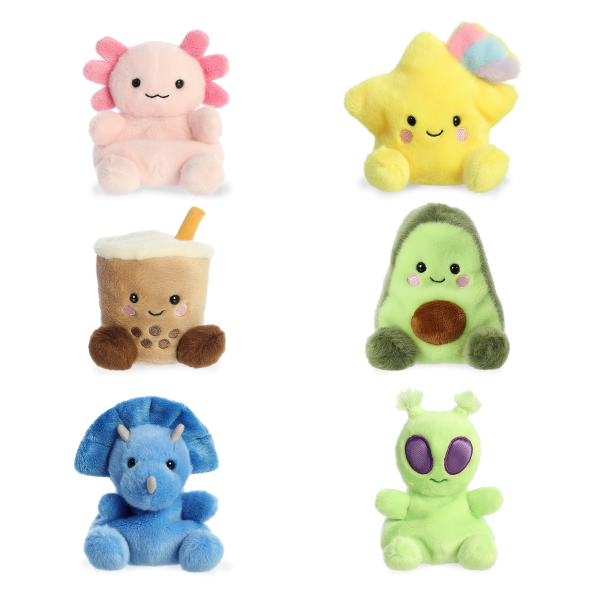
Aurora’s key strengths include product diversity, competitive pricing, and consistent quality. Its plush toys are generally soft, durable, and suitable for different age groups. However, because Aurora serves both mass-market and premium segments, some products may vary in material quality depending on the collection.
Build-A-Bear
Founded in 1997, Build-A-Bear Workshop introduced a unique concept by allowing customers to create and personalize their own stuffed animals. The brand revolutionized the plush toy experience by turning toy purchasing into an interactive activity.
Build-A-Bear offers customizable teddy bears, licensed character plush toys, clothing accessories, and themed collections based on popular entertainment franchises. The company has collaborated with major brands including Disney, Pokémon, and other globally recognized IPs.
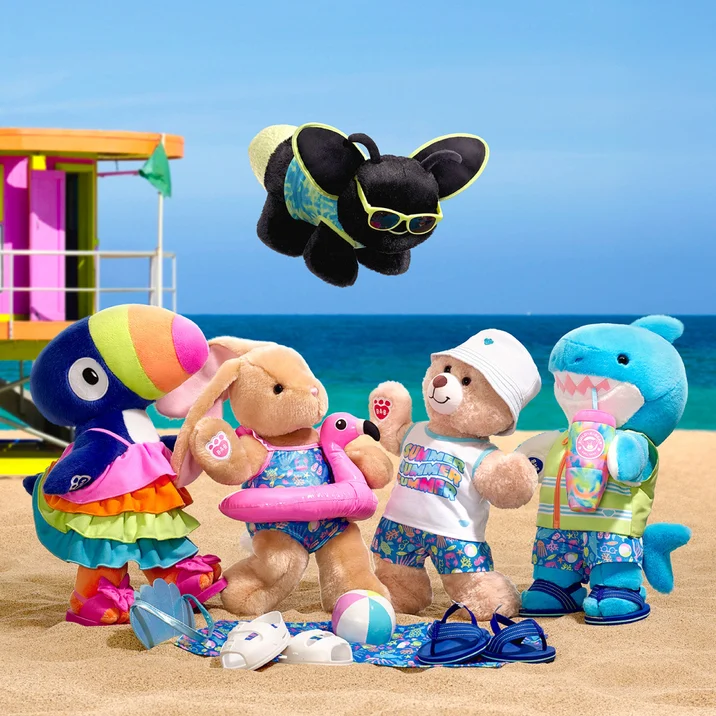
Its greatest strength is personalization. Consumers are not only buying a plush toy but also creating an emotional memory through the customization process. However, customized products and accessories can make Build-A-Bear toys more expensive than standard plush toys, and the brand relies heavily on retail experiences rather than traditional toy distribution.
Gund
Founded in 1898, Gund is one of the oldest and most respected plush toy companies in the world. With more than a century of experience, Gund has established itself as a symbol of quality, comfort, and classic plush design.
The brand is best known for its classic teddy bears, Pusheen Plush Collection, and Snuffles Bear, one of its most recognizable designs featuring a signature soft and huggable style and have become popular among children and collectors.
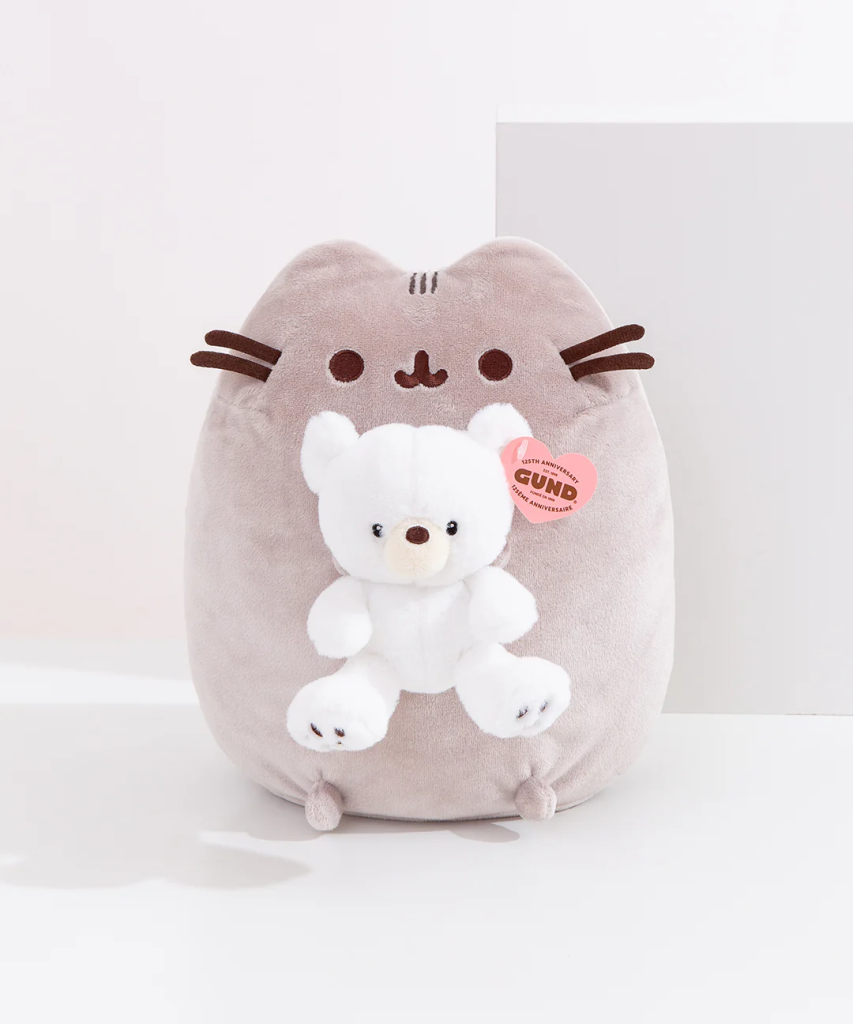
Gund’s biggest strengths are heritage, reliability, and softness. The company has extensive experience producing safe and durable plush toys that meet strict quality standards. However, compared with newer brands such as Jellycat or Squishmallows, Gund’s designs may appear more traditional and less trend-focused.
Steiff
Founded in 1880 by Margarete Steiff, Steiff is widely regarded as one of the most prestigious plush toy brands in history. The company created the first commercially produced teddy bear and introduced the famous “Button in Ear” trademark.
Steiff specializes in premium collectible teddy bears and luxury stuffed animals made with exceptional craftsmanship. Many products use high-quality materials such as mohair and are produced with careful attention to detail.
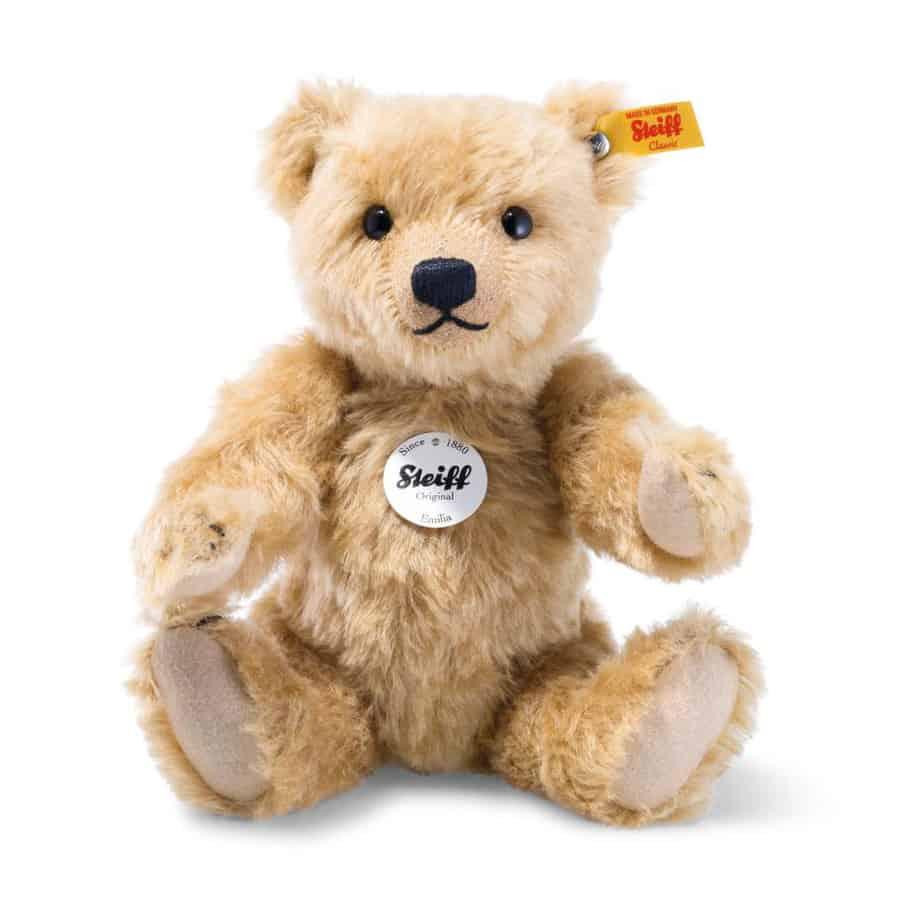
The brand’s greatest strengths are craftsmanship, heritage, and collector value. Steiff plush toys are considered investment-quality collectibles due to their durability and historical significance. However, premium materials and handmade production result in significantly higher prices, making Steiff less accessible for casual consumers.
Ty Inc.
Founded in 1986 by Ty Warner, Ty Inc. became a global phenomenon through its Beanie Babies collection in the 1990s. The brand changed the plush toy industry by introducing collectible concepts, limited editions, and secondary market trading.
Today, Ty continues to produce Beanie Babies, Beanie Boos, and other collectible plush toys featuring colorful designs and large expressive eyes.
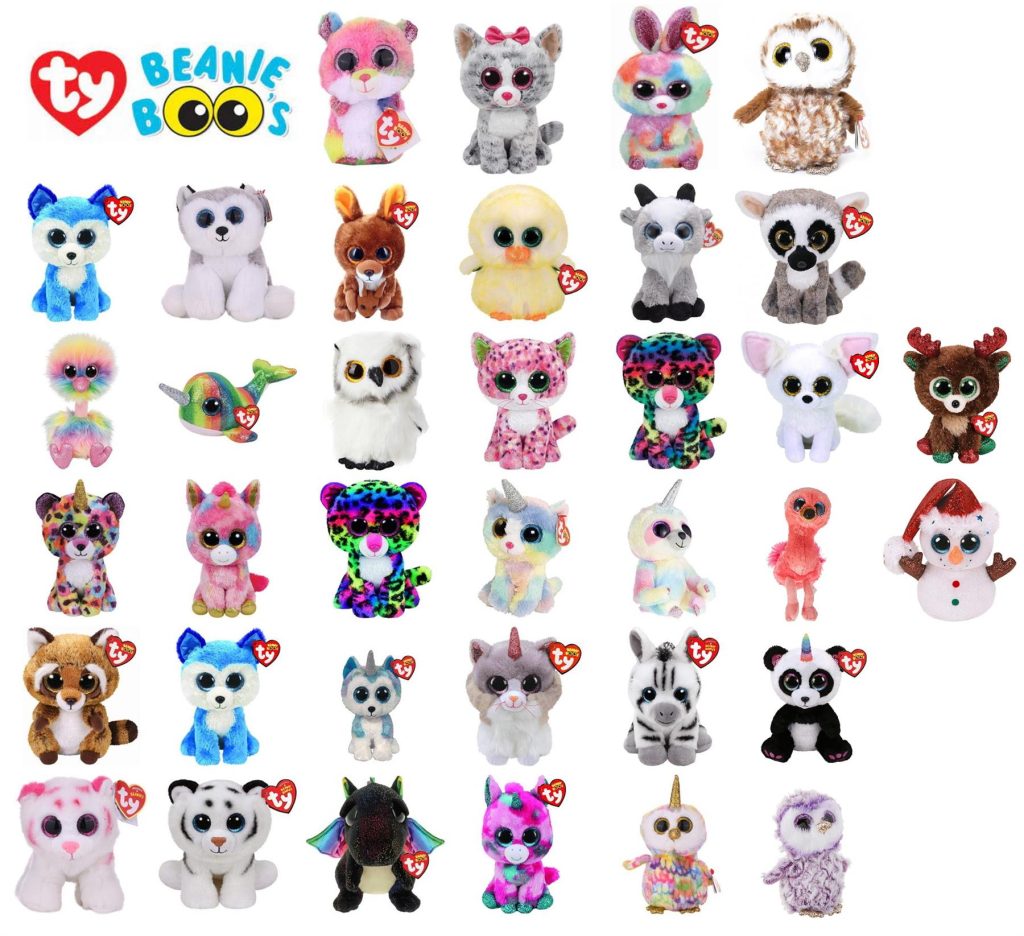
Ty’s strengths include strong brand recognition, collectible appeal, and affordable pricing. Its products are easy for consumers to collect and gift. However, compared with premium plush brands, some collectors consider the materials and craftsmanship less sophisticated.
Webkinz
Launched in 2005 by Ganz, Webkinz introduced an innovative combination of physical plush toys and online digital experiences. Each plush toy included a unique code that allowed owners to access a virtual world.
Webkinz successfully blended traditional stuffed animals with interactive technology, creating a new category of collectible toys. With characters such as Signature Pets, Lil’ Kinz, and classic Webkinz animals creating a unique interactive collecting experience. The brand appealed strongly to children who enjoyed both physical play and digital gaming.
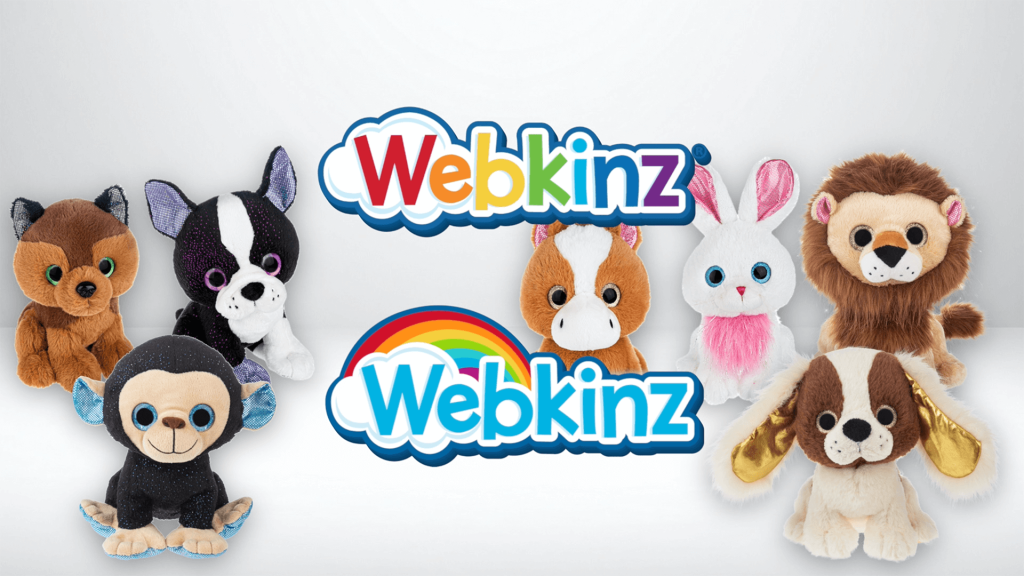
Its main advantage was innovation and emotional engagement. However, as digital entertainment trends changed, the brand faced challenges maintaining the same level of popularity compared with newer collectible concepts.
Wild Republic
Founded in 1979, Wild Republic specializes in educational wildlife plush toys inspired by animals from around the world.
The company produces realistic stuffed animals, including mammals, dinosaurs, marine animals, and endangered species. Its products are widely used in museums, zoos, educational programs, and retail stores.
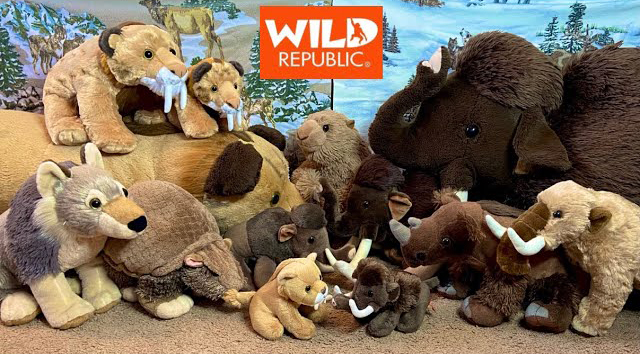
Wild Republic’s strengths are realism, educational value, and affordability. The brand successfully combines fun with learning, making it attractive to families and educational institutions. However, its focus on realistic animals means it has less presence in the character-driven collectible plush market.
Squishable
Founded in 2007, Squishable created a unique category of oversized, round, and extremely soft plush toys designed for maximum comfort.
Squishable is known for its creative designs featuring animals, fantasy creatures, food characters, and humorous concepts, with popular collections such as Mini Squishables, Original Squishables, and creative fantasy-inspired characters that appeal strongly to teens and adults seeking decorative and comforting plush items.
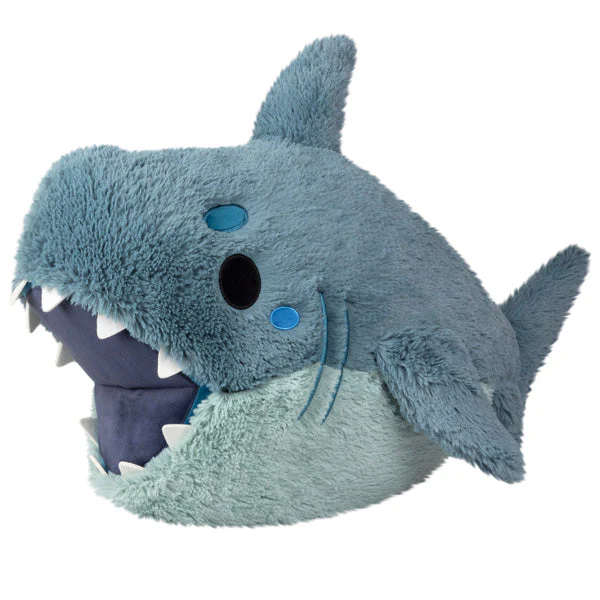
The brand’s main advantages are creativity, softness, and emotional appeal. Its unique shapes differentiate it from traditional stuffed animals. However, its unconventional designs may not attract consumers looking for classic teddy bears or realistic animal plush.
Charlie Bears
Founded in 2005 in the UK, Charlie Bears specializes in collectible teddy bears and artist-designed plush toys. The brand focuses on limited-edition collections that appeal primarily to adult collectors.
Charlie Bears are known for detailed craftsmanship, premium fabrics, and distinctive personalities. Many designs are produced in limited quantities, increasing their collectible value.
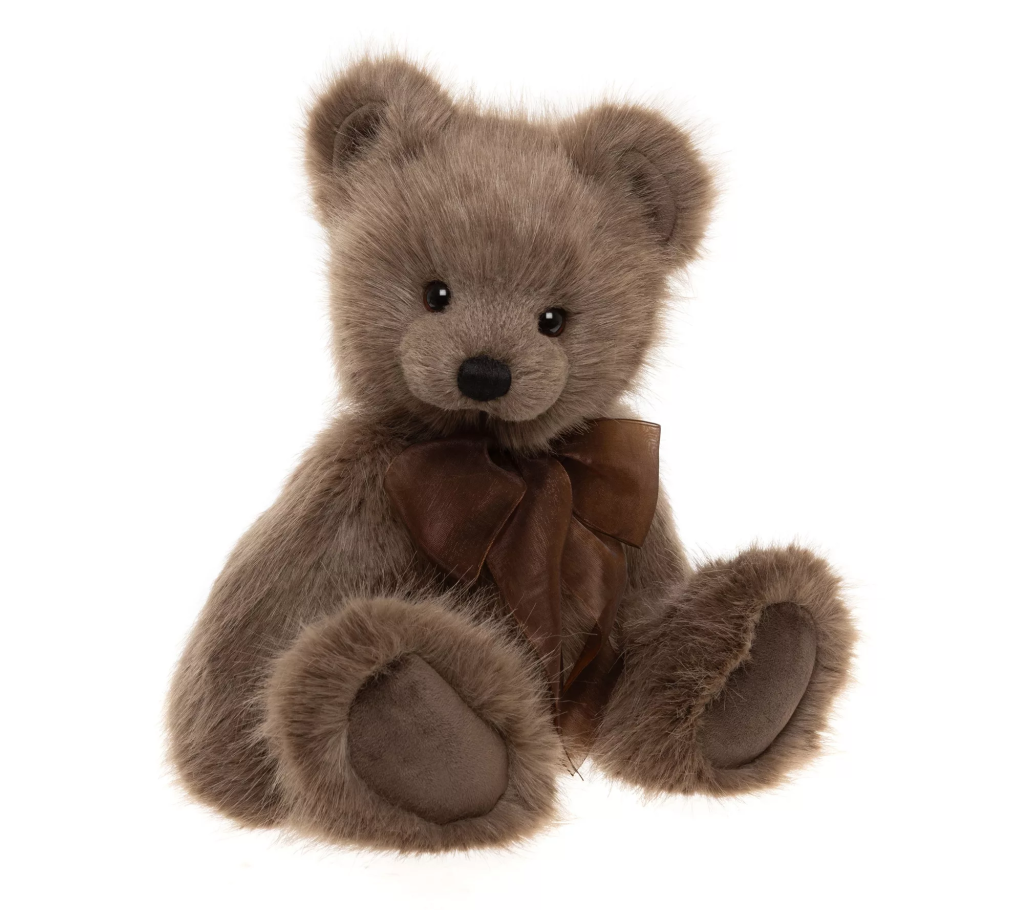
The company’s strengths include artistic creativity, collector appeal, and premium quality. However, limited production and higher pricing make Charlie Bears more suitable for dedicated collectors rather than everyday consumers.
Squishmallows
Launched in 2017 by Jazwares, Squishmallows quickly became one of the fastest-growing plush toy brands worldwide. The brand gained massive popularity through social media, collectible characters, and extremely soft materials.
Squishmallows, one of the most successful modern plush brands, has achieved worldwide popularity through its signature ultra-soft round plush characters, including favorites such as Cam the Cat, Fifi the Fox, Archie the Axolotl, and hundreds of other collectible characters with unique names and personalities. Their combination of softness, collectibility, and emotional storytelling has created a strong fan community.
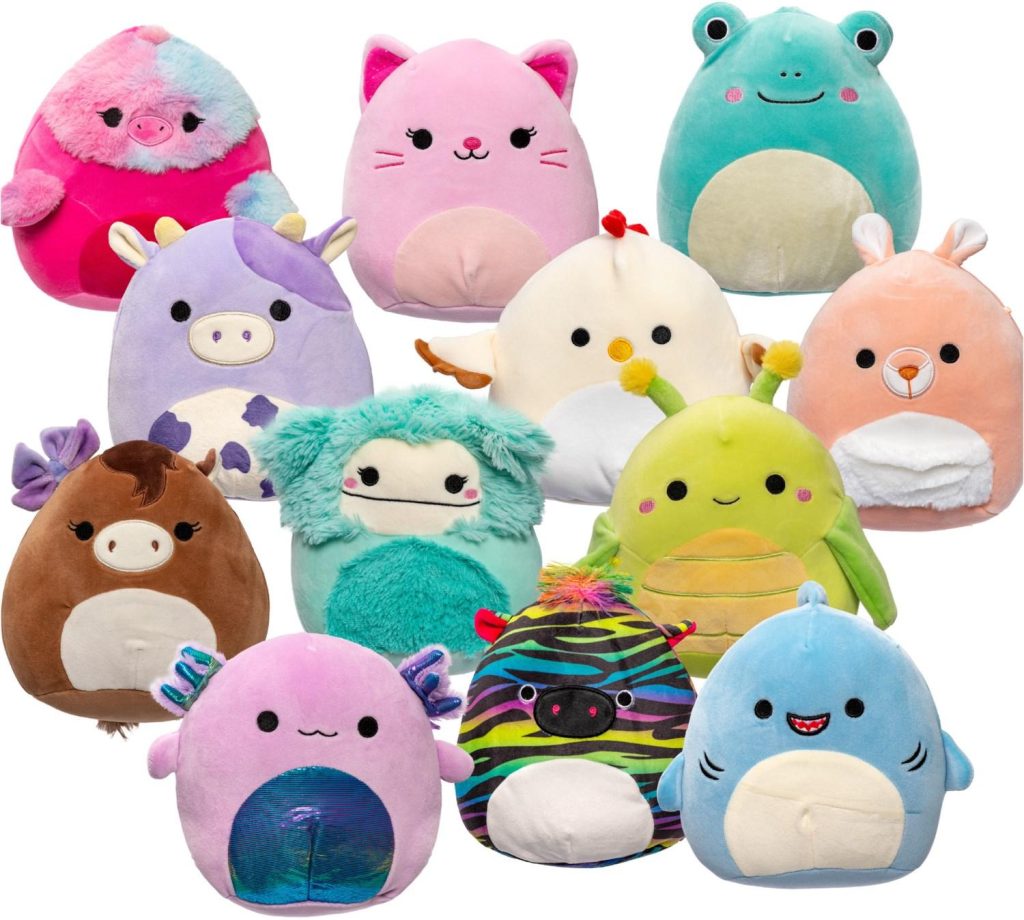
The biggest strengths of Squishmallows are brand recognition, affordability, and collectible appeal. Their ultra-soft polyester fabric and distinctive round shape create strong consumer demand. However, because of their large production volume, some collectors feel that exclusivity and premium craftsmanship are lower compared with luxury plush brands.
Weijun Toys: Your Trusted Custom Plush Manufacturer
With over 30 years of experience in toy manufacturing, Weijun Toys provides professional OEM and ODM solutions for brands, retailers, distributors, and promotional companies worldwide. Our expertise covers custom plush toys, stuffed animals, plush keychains, character plush, and collectible plush products.

Unlike retail plush brands that focus on finished products, Weijun Toys helps businesses create their own unique plush collections from concept to production. Our experienced design teams support product development, prototype creation, material selection, manufacturing, quality inspection, and customized packaging.
With advanced production capabilities, strict quality control systems, and extensive experience serving global markets, Weijun Toys helps brands develop soft, safe, durable, and market-ready plush products tailored to their target audiences.
Whether creating realistic animal plush, cute character toys, licensed merchandise, or innovative collectible designs, Weijun Toys delivers reliable manufacturing solutions to bring creative ideas to life.
 2 Modern Factories 30 Years of Toy Manufacturing Expertise 200+ Cutting-Edge Machines Plus 3 Well-Equipped Testing Laboratories 560+ Skilled Workers, Engineers, Designers, and Marketing Professionals One-Stop Customization Solutions Quality Assurance: Able to Pass EN71-1,-2,-3 and More Tests Competitive Prices and On-Time Delivery










