
Magnetic figures are versatile collectibles that combine character design with magnetic functionality. From miniature animal figures and cartoon characters to educational toys and promotional merchandise, these products can be used for refrigerator decorations, interactive play, office accessories, retail collectibles, and branded gifts. Their compact size, attractive designs, and ability to attach to magnetic surfaces make them appealing to a wide range of consumers and businesses.
What Are Magnetic Figures
Magnetic figures are small figurines or character-shaped products that incorporate magnets into their design. These magnets allow the figures to attach to compatible metal surfaces, connect with other magnetic components, or interact with magnetic accessories. Depending on their structure and intended use, magnetic figures may function as decorative collectibles, toys, educational tools, or promotional products.
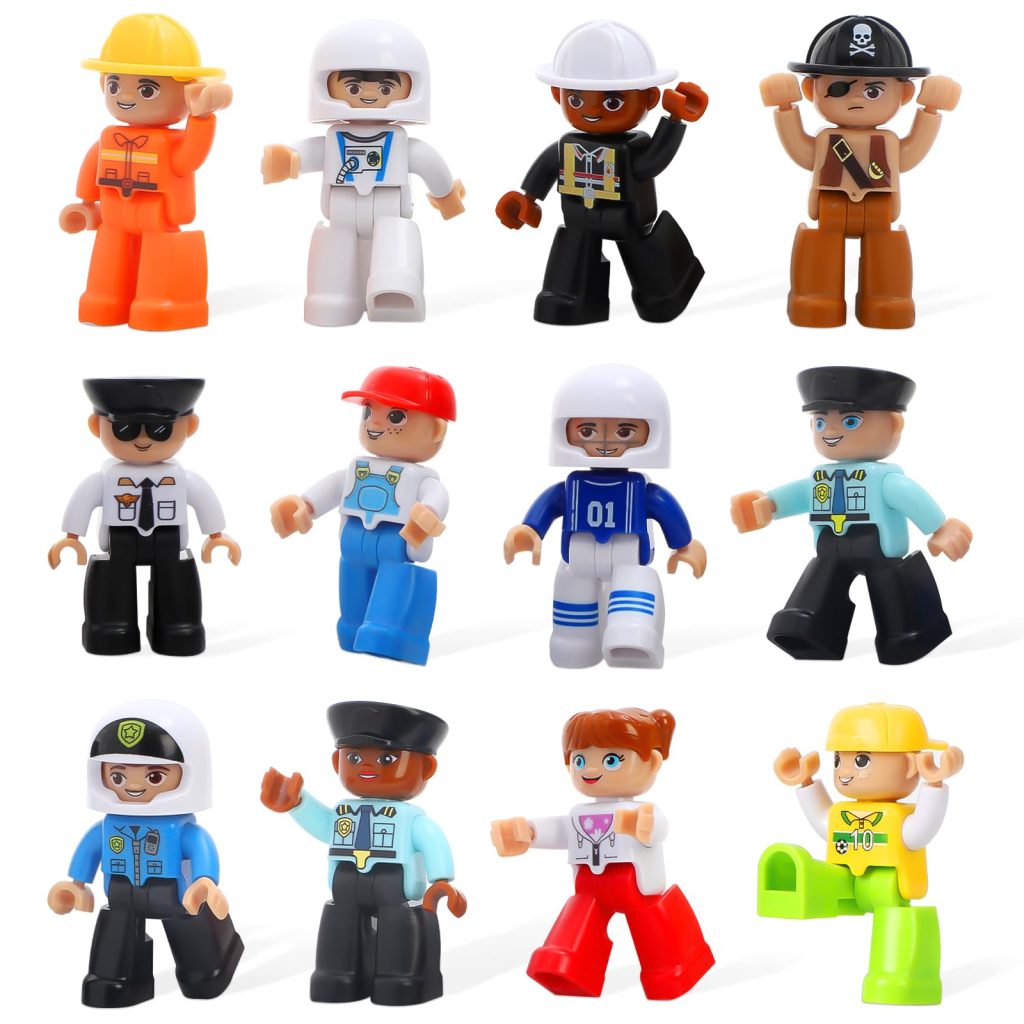
Unlike conventional plastic figures, magnetic figures offer an additional functional feature. For example, a miniature animal figure with a magnet embedded in its base can be displayed on a refrigerator, while a character with magnetic hands or feet may attach to selected metal surfaces. Some designs use magnets to connect multiple figures or interchangeable accessories, creating more interactive product experiences.
Magnetic figures can be produced in various styles, including realistic animals, cartoon characters, fantasy creatures, mascots, and branded characters. Their appearance can range from simple, colorful designs for children to detailed collectible figures for adult consumers.
What Materials Are Used to Make Magnetic Figures
Magnetic figures are made from a combination of body materials and magnetic components. The choice depends on the product’s design, intended use, durability requirements, and target market.
Plastic is commonly used for molded magnetic figures, collectible statues, and character toys. These materials are lightweight, durable, and easy to shape into different designs. PVC is suitable for detailed character figures, while ABS is often used for rigid components that require structural strength.
Wood is frequently used in traditional or eco-friendly magnetic toys, including wooden figures and building blocks. It offers a natural appearance and is suitable for simple shapes and educational products.
Paper and cardboard are used for flat magnetic products, such as magnetic paper dolls, dress-up sets, and board game pieces. They allow lightweight, cost-effective designs with customizable printed graphics.
Magnetic components are essential to the product’s functionality. Permanent magnets, including neodymium magnets, may be embedded in or attached to the figure to provide magnetic attraction. The appropriate magnet type, size, and placement depend on the figure’s weight and intended function. For children’s products, magnets must be securely enclosed, and relevant safety requirements should be considered during design and manufacturing.
Common Types and Uses of Magnetic Figures
Magnetic figures can be developed in many styles to serve different markets. Understanding the main product categories helps businesses identify suitable designs and customization opportunities.
Magnetic animal figures are popular for educational collections, souvenirs, and decorative products. Designs may include wild animals, farm animals, marine creatures, dinosaurs, or pets. Realistic details can appeal to collectors and educational retailers, while simplified, colorful designs may be more suitable for playful gift collections. A magnet attached to the base or back allows the figure to be displayed on compatible metal surfaces.
Magnetic cartoon and character figures focus on recognizable shapes, expressions, and personalities. They can feature original characters, brand mascots, or licensed properties. These products are suitable for gift shops, entertainment merchandise, collectibles, and themed retail promotions. Businesses can create a series of figures with different poses, outfits, or expressions to encourage repeat purchases.
Magnetic promotional figures are designed to support brand awareness and marketing campaigns. Companies can customize figures around their mascots, products, logos, or campaign themes. They may be distributed at exhibitions, included in promotional gift sets, or sold as branded merchandise. Compared with conventional promotional items, a well-designed figure can offer lasting decorative value and help keep a brand visible.
Magnetic educational figures can support activities involving animals, characters, shapes, or storytelling. For example, a set of animal figures may help introduce children to different species, while character sets can be used in storytelling or themed learning activities. If products are intended for children, their design and magnetic construction must be evaluated against the relevant toy safety requirements.
Magnetic figures may also be used as refrigerator decorations, office accessories, travel souvenirs, and collectible desk ornaments. Some designs incorporate magnetic connections that allow figures to attach to one another or hold small accessories. These features can make a product more interactive, but they also introduce additional design and testing considerations.
How to Customize Magnetic Figures for Your Brand
Custom magnetic figures allow businesses to develop products that match their brand identity, target audience, and commercial objectives.
Define the Figure Design and Concept
The first step is to establish the product concept. Buyers should determine whether the figure will represent an animal, original character, brand mascot, promotional theme, or licensed property. The target market and intended application should guide the design direction. Important details include the figure’s pose, facial expression, proportions, dimensions, and overall style.
Buyers should also define the intended magnetic function. A magnet attached to the base may be sufficient for a decorative figure, whereas a product designed to connect with accessories may require magnets in multiple locations. Defining these requirements early helps the manufacturer assess feasibility and develop an appropriate structure.
Choose Materials, Sizes, and Magnetic Components
Once the concept is established, the next step is selecting materials and dimensions. PVC and ABS are common choices for plastic magnetic figures, but the final selection should reflect the required appearance, durability, production method, and budget.
Size and weight are particularly important because they affect magnetic performance. A heavier figure may require a stronger magnet or a different attachment design. The intended metal surface also matters, as magnetic attraction varies with the surface material, thickness, and construction.
Magnet placement should be incorporated into the structural design. Manufacturers need to consider how the magnet will be secured, whether it will remain concealed, and how the figure will withstand handling and ordinary use. For products intended for children, the magnet enclosure and retention system require particular attention.
Develop 3D Models and Prototypes
After the basic specifications are confirmed, the design can be developed into a 3D model. Digital modeling allows the manufacturer to evaluate proportions, surface details, component placement, and the available space for magnetic parts before moving into tooling or production.
A physical prototype is then used to assess the actual product. Buyers can review its size, appearance, balance, surface quality, and magnetic performance. Testing the prototype on representative metal surfaces can help confirm whether the attachment is suitable for its intended purpose.
Prototype evaluation also provides an opportunity to identify problems before mass production. For example, a magnet may need repositioning, a figure may require a thicker base, or a small design detail may need to be simplified for manufacturing. Resolving these issues early can reduce costly revisions later.
Customize Colors, Finishes, and Accessories
Color and surface finishing play an important role in the product’s final appearance. Depending on the material and manufacturing process, magnetic figures may feature molded colors, painted details, pad-printed graphics, textured surfaces, or flocked finishes.
Brands can specify colors to match their visual identity and customize details such as facial expressions, clothing, patterns, logos, and accessories. A series of figures can also feature coordinated colors and consistent design elements to create a recognizable collection.
The manufacturing method should match the desired finish and production volume. Some decorative details may require additional painting or printing operations, while overly complex designs can increase production time and cost. Reviewing finishing options with the manufacturer helps balance visual quality with commercial requirements.
Design Custom Packaging and Branding
Packaging is another important part of a custom magnetic figure project. Depending on the sales channel, options may include individual boxes, blister packaging, printed cards, display boxes, gift sets, or blind-box packaging. Packaging can include brand logos, product names, character information, barcodes, and other required labeling.
Buyers should also consider how the product will be transported, stored, and displayed. Packaging dimensions, protective inserts, and packing methods can influence shipping efficiency and help reduce damage during transit. Any required age grading, warnings, and compliance information should be confirmed for the destination market.
How to Choose a Reliable Magnetic Figure Manufacturer
Choosing the right manufacturer is essential for turning a design concept into a consistent, commercially viable product. Buyers should evaluate more than the quoted unit price, considering the supplier’s technical capabilities, customization experience, quality management, and communication.
First, review the manufacturer’s experience with plastic figures and customized products. A supplier familiar with character modeling, mold development, painting, printing, assembly, and packaging is better positioned to identify production challenges before they affect delivery. Experience with magnetic components is also valuable because magnetic performance and secure construction require specific attention.
Second, assess the supplier’s prototyping and production capabilities. A reliable manufacturer should be able to explain the development process, confirm the feasibility of the design, and communicate any limitations. Ask how samples are approved, how design changes are managed, and what checks are performed before mass production.
Quality control is another key consideration. Buyers should discuss material specifications, dimensional consistency, paint adhesion, component assembly, magnet retention, and packaging inspections. If the product is intended for children or a regulated market, confirm which safety tests and documentation are applicable. Requirements vary according to the product, target age, magnet design, and destination market, so compliance should be established before production.
Finally, evaluate communication, production capacity, lead time, minimum order quantity, and total cost. Intellectual property should also be addressed at the beginning. If the figure uses a third-party character, logo, or other protected design, the buyer should ensure that the necessary authorization is in place before production.
Why Choose Weijun Toys for Custom Magnetic Figures
Weijun Toys provides OEM and ODM toy manufacturing services for brands, retailers, wholesalers, and promotional companies. With more than 30 years of toy manufacturing experience, Weijun Toys supports customers in developing customized products from initial concepts to mass production.
For magnetic figure projects, customization can cover character design, dimensions, colors, materials, surface finishes, accessories, packaging, and branding, subject to technical feasibility. Customers with existing designs can explore OEM manufacturing based on their specifications, while businesses seeking a new product concept can discuss ODM development with the company’s design and engineering teams.
Beyond magnetic figures, our product capabilities include PVC figures, vinyl collectibles, plush toys, blind box products, action figures, keychains, capsule toys, and customized promotional merchandise. This broader experience can be useful for brands planning coordinated product collections or expanding an existing character into different merchandise formats.
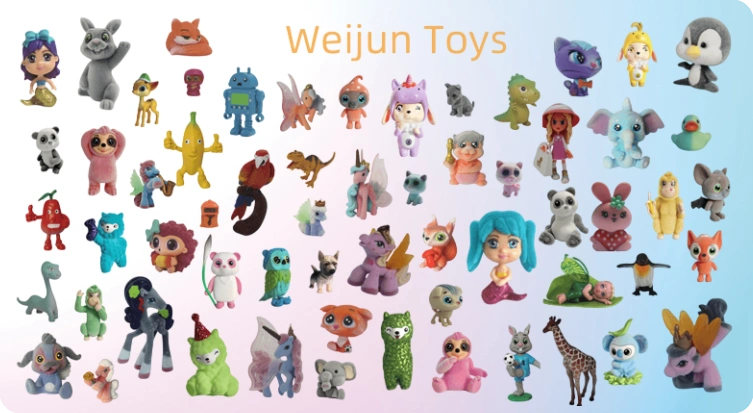
For magnetic figures, particular attention should be given to magnet selection, secure retention, product structure, and applicable safety standards. These details help establish a clear specification before prototyping and mass production. By combining customization services with manufacturing experience, Weijun Toys helps business customers develop products aligned with their design goals and commercial needs.
 2 Modern Factories 30 Years of Toy Manufacturing Expertise 200+ Cutting-Edge Machines Plus 3 Well-Equipped Testing Laboratories 560+ Skilled Workers, Engineers, Designers, and Marketing Professionals One-Stop Customization Solutions Quality Assurance: Able to Pass EN71-1,-2,-3 and More Tests Competitive Prices and On-Time Delivery










