
Prize figures are an important category within the Japanese-style collectible figure market. Originally associated with amusement arcades and crane games, they have developed into widely recognized character merchandise sold through specialty retailers, online stores, anime merchandise shops, and collectible channels around the world.
Unlike premium scale figures, prize figures generally focus on delivering recognizable character designs and attractive presentation at a more accessible price point. Their relatively practical production approach makes them particularly interesting for brands, entertainment companies, retailers, and IP owners looking to develop character merchandise at commercial scale.
What Is a Prize Figure
A prize figure is a collectible character figure traditionally designed for prize distribution through amusement arcade machines, particularly crane games. The term is strongly associated with the Japanese character merchandise market, where manufacturers develop affordable figures based on popular anime, manga, video game, movie, and other entertainment properties.
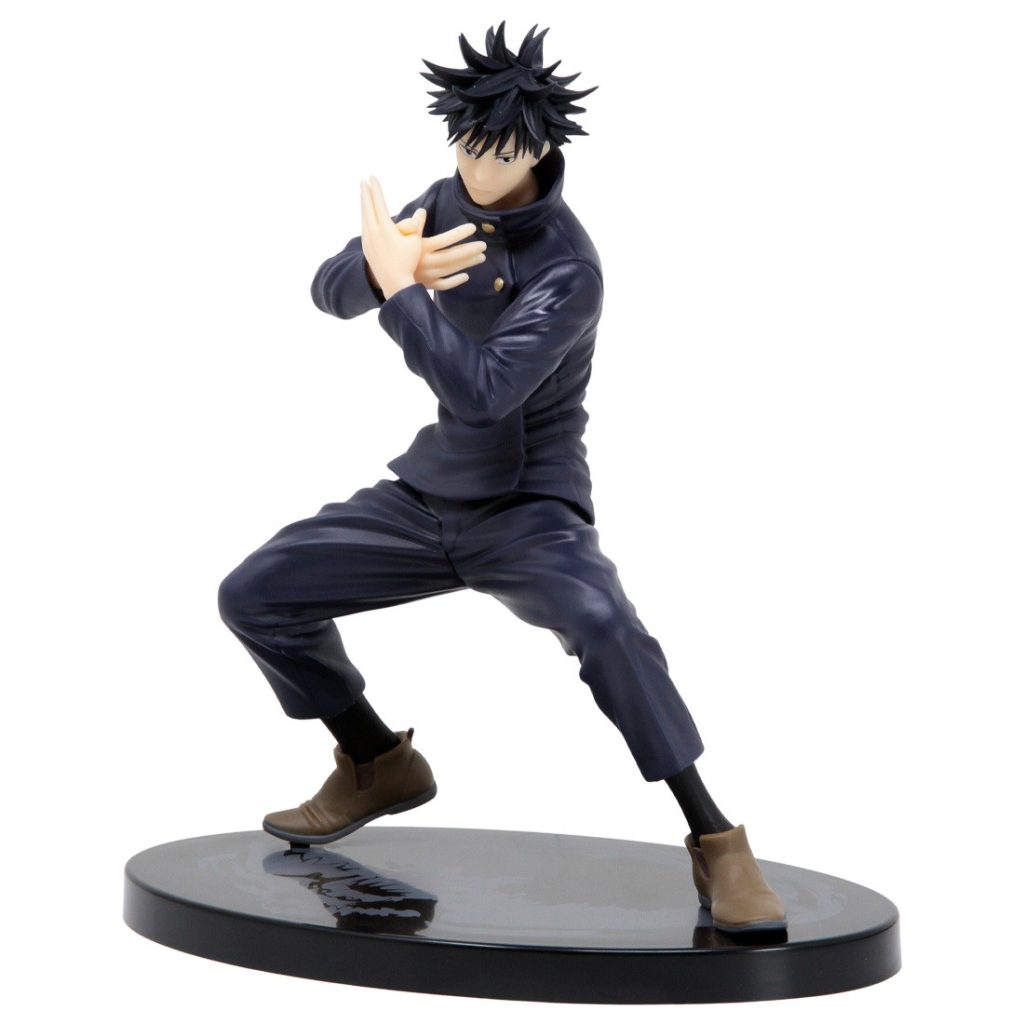
Compared with high-end collector figures, prize figures typically use simpler construction and finishing. They may have fewer intricate components, limited articulation, or simpler accessories, depending on the product concept. Nevertheless, a well-designed prize figure can still feature carefully sculpted hair, costumes, facial expressions, accessories, and detailed paint applications.
Today, prize figures are no longer limited to physical arcade prizes. Similar products are also sold through online marketplaces, specialty stores, anime retailers, conventions, and collectible shops. This expansion has made the prize-figure production model increasingly relevant to brands looking for accessible character merchandise.
What’s the Difference Between a Prize Figure and a Scale Figure
Prize figures and scale figures can both represent anime, manga, game, and entertainment characters, but they generally serve different market positions.
A scale figure is usually designed around a specific scale ratio, such as 1/7 or 1/8, with particular attention to character proportions, sculpting accuracy, pose, costume details, and overall presentation. Premium scale figures often use more elaborate sculpting, painting, accessories, bases, and packaging, which contributes to a higher retail price.
Prize figures, on the other hand, generally prioritize affordability and broad accessibility. Their dimensions may vary by product rather than strictly following a standardized scale ratio. Manufacturers typically optimize the design and production process to achieve attractive visual results while keeping tooling, material, labor, and assembly costs under control.
The difference can also be seen in the level of finishing. A premium scale figure may contain numerous small components and highly detailed paint applications, while a prize figure may use a more streamlined construction and painting process. This does not mean prize figures are poorly made. Rather, the product is engineered around a different cost and market objective.
How to Customize Prize Figures for Your Brand
Customizing prize figures starts with a clear understanding of the character and commercial objective. Brands may begin with original artwork, an existing mascot, a licensed anime character, a game character, or another form of intellectual property.
The first stage is to establish the character concept and visual specifications. This includes the character’s pose, facial expression, costume, accessories, colors, proportions, and overall visual style. If the brand has existing 2D artwork, turnaround sheets, reference images, or licensed character guidelines, these materials can help the manufacturer create a more accurate 3D interpretation.
The next stage is 3D modeling. A 3D model translates the two-dimensional character concept into a physical production structure. During this stage, manufacturers need to consider both visual accuracy and manufacturability. Hair strands, clothing folds, weapons, accessories, and other complex features may need to be adjusted so they can be molded, painted, assembled, and packaged efficiently.
Once the 3D model is approved, a physical prototype can be produced. The prototype allows the brand to evaluate the actual proportions, pose, surface details, accessories, and overall appearance. It is also an opportunity to identify structural problems before tooling begins.
Customization can extend beyond the figure itself. Brands can specify the figure’s size, material, colors, surface finishing, accessories, base, logo placement, and packaging. For a character series, different figures can also be developed with coordinated visual themes.
For licensed characters, brands must also ensure that they have the appropriate rights and permissions to manufacture and commercialize the figures. The manufacturer can produce according to approved IP specifications, but the brand or rights holder is responsible for securing the necessary licensing authorization.
What Materials Are Used to Make Prize Figures
PVC is one of the most widely used materials for prize figures because it offers a useful combination of moldability, durability, surface quality, and cost efficiency. PVC can be used for character bodies, hair, clothing, accessories, and other components depending on the design.
ABS is another important material, particularly for structural components that require greater rigidity. Bases, supports, weapons, internal structures, and certain accessories may benefit from ABS because of its stiffness and dimensional stability.
Some premium or highly detailed collectible projects may also incorporate resin, particularly during prototype development or for specialized limited-production applications. Resin can reproduce fine details effectively, but its production characteristics and cost structure differ from injection-molded plastics.
In many cases, a prize figure may use a combination of materials rather than a single material. For example, PVC may be used for the character while ABS is used for the base or support. The final material selection should be based on the figure’s structure, intended finish, production volume, cost target, and applicable safety requirements.
For brands, choosing the right material early in development is important because it can influence tooling, assembly, painting, durability, and overall production cost.
How Are Prize Figures Manufactured
The manufacturing process begins with concept development and 3D modeling. The manufacturer’s design team converts the approved character artwork into a detailed 3D model, paying attention to character proportions, surface details, accessories, pose, and structural requirements.
After the digital model is approved, a prototype is created. The prototype provides the first physical representation of the final figure and allows the brand to review the design before production tooling. At this stage, modifications to proportions, details, pose, and components can be made more easily than after molds are completed.
The next stage is tooling and mold creation. Depending on the design, a prize figure may require multiple molds for different components.
Once the molds are ready, plastic components can be produced through injection molding. Plastic material is heated and injected into the molds under controlled conditions before cooling and being removed. Different components may be molded separately and assembled later.
After molding, components undergo trimming and finishing. Excess material, molding marks, and unwanted edges are removed to prepare the parts for painting and assembly.
Painting and printing are particularly important because they determine much of the figure’s final visual quality. Base colors may be applied through automated processes, while more detailed areas can require pad printing, spray painting, or manual touch-ups. Facial features, eyes, logos, costume patterns, and small decorative elements need to be positioned consistently.
The individual components are then assembled. Depending on the design, this may include attaching the head, body, hair, clothing, accessories, weapons, support structures, and display base. Assembly requires careful control because small alignment differences can affect the final appearance.
Finally, finished figures undergo quality inspection and packaging. Manufacturers check appearance, dimensions, paint quality, assembly, accessories, and other specifications before the products are packed for shipment. For larger projects, quality control should take place throughout production rather than only at the final stage.
Key Factors to Consider When Customizing Prize Figures
The first major consideration is design complexity. A highly detailed character with elaborate clothing, long hair, weapons, and numerous accessories can require more components, molds, painting processes, and assembly time. Brands should balance visual detail with the intended retail price and production volume.
Figure size also affects manufacturing. Larger figures generally require more material and may require larger tooling, packaging, and shipping cartons. Smaller figures can reduce material and transportation costs but may make very fine details more difficult to reproduce.
Production quantity has a direct impact on unit economics. Custom tooling creates an upfront development cost, and producing larger quantities generally allows tooling and development expenses to be distributed across more units.
Painting and finishing requirements should also be defined early. A character with many colors, metallic effects, gradients, fine facial details, or intricate patterns may require more production processes than a simpler design.
Packaging is another important consideration for character merchandise. Custom boxes, window packaging, display packaging, or other retail formats can strengthen the product presentation while protecting the figure during transportation.
Brands should also consider safety and compliance according to the target market and intended age group. Materials, coatings, paints, small components, and other parts may need to meet applicable toy safety and chemical requirements.
Finally, brands should establish a clear sample approval process. The approved sample should become the reference for mass production, helping the manufacturer maintain consistency in dimensions, colors, painting, accessories, and overall appearance.
How to Choose a Reliable Prize Figure Manufacturer
A reliable prize figure manufacturer should have experience not only in plastic molding but also in character product development. The ability to understand 2D artwork, create accurate 3D models, develop prototypes, manufacture molds, and manage painting and assembly is essential for custom figure projects.
Brands should also examine the manufacturer’s production capabilities. An integrated factory with molding, painting, printing, assembly, testing, and packaging capabilities can provide better control over the complete production process than a supplier that relies heavily on multiple external factories.
Quality control is another important factor. The manufacturer should have clear inspection procedures covering materials, molding, painting, assembly, packaging, and finished products.
Experience with international markets is also valuable. A manufacturer familiar with requirements such as ASTM F963, CPSIA, EN71, and other applicable standards can help brands identify relevant compliance considerations early in the project.
Communication should not be overlooked. Custom figure development often involves multiple rounds of design revisions and physical sample approval. A manufacturer that provides clear technical feedback and communicates efficiently can help reduce delays and unnecessary development costs.
Why Partner with Weijun Toys for Custom Prize Figures
With over 30 years of toy manufacturing experience, Weijun Toys provides professional OEM and ODM services for brands developing custom figures, collectibles, promotional toys, and licensed merchandise.
Our production capabilities cover the complete development process, from concept development and 3D modeling to prototyping, mold creation, injection molding, painting, printing, assembly, quality inspection, and customized packaging. This integrated approach allows brands to manage their figure projects through one experienced manufacturing partner.
Weijun Toys has extensive experience manufacturing PVC figures, ABS plastic toys, vinyl collectibles, action figures, mini collectible toys, and other character merchandise. This broad product expertise enables us to recommend appropriate materials and production methods based on the character design, target price, order volume, and intended market.
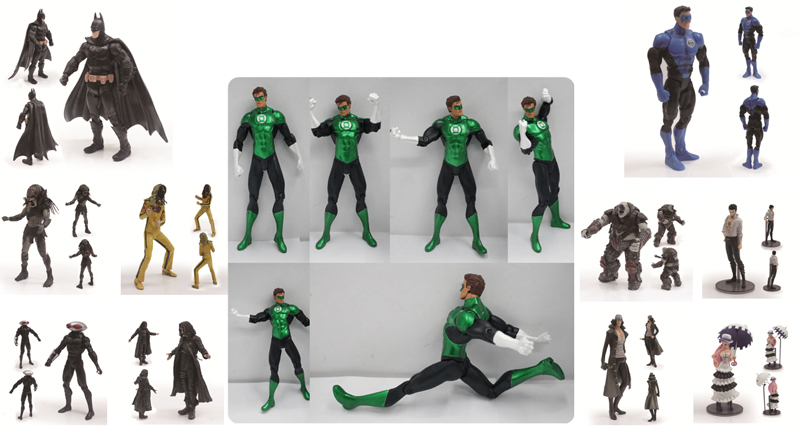
We also provide flexible OEM and ODM solutions for brands, retailers, distributors, promotional product companies, and IP owners. Customization can cover figure shape, size, colors, accessories, surface finishing, packaging, and branding.
For licensed products, production can be carried out according to approved artwork and specifications provided by the rights holder or authorized brand. Our experience with character merchandise allows us to focus on manufacturing accuracy, production consistency, and quality control throughout the project.
Whether you are developing a single custom prize figure or a complete character collection, Weijun Toys can support the transition from concept to mass production with an integrated manufacturing process.
 2 Modern Factories 30 Years of Toy Manufacturing Expertise 200+ Cutting-Edge Machines Plus 3 Well-Equipped Testing Laboratories 560+ Skilled Workers, Engineers, Designers, and Marketing Professionals One-Stop Customization Solutions Quality Assurance: Able to Pass EN71-1,-2,-3 and More Tests Competitive Prices and On-Time Delivery










