
Scale figures are popular collectible figures designed to reproduce characters at a specific proportion relative to their fictional or real-world size. Known for their detailed sculpting, carefully matched proportions, high-quality painting, and strong display appeal, scale figures are especially popular among anime, manga, gaming, and character collectors. Unlike many toys designed primarily for play, scale figures are generally created with collecting and display in mind.
What Is a Scale Figure
A scale figure is a collectible figure manufactured according to a specific scale or proportional ratio. Instead of producing a character at an arbitrary size, the figure is reduced or enlarged according to a defined proportion of the character’s supposed original height. For example, a 1/7 scale figure represents a character at approximately one-seventh of the character’s stated height.
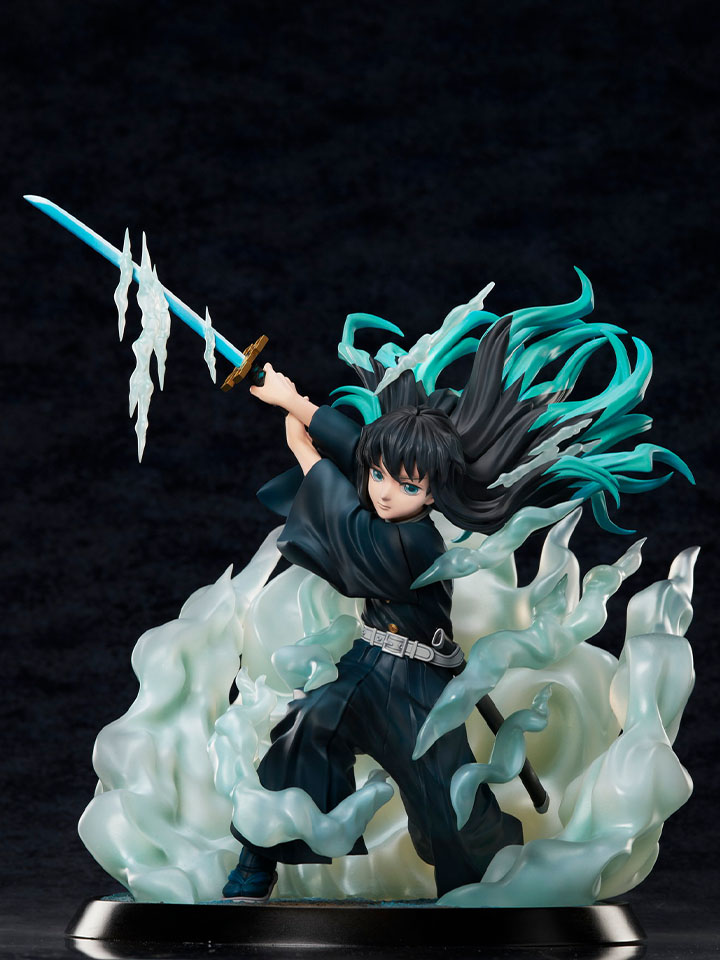
Scale figures are particularly common in the anime and character collectible market. A character designed to be 175 cm tall would theoretically be approximately 25 cm at 1/7 scale, although the actual finished height can vary depending on the character’s pose, hairstyle, accessories, and base.
One of the most important characteristics of scale figures is their emphasis on accurate proportions and detailed presentation. Manufacturers pay close attention to facial features, clothing folds, hair, accessories, poses, and color schemes. Many scale figures are produced as static display pieces rather than highly articulated toys, allowing manufacturers to prioritize sculptural accuracy and complex poses.
What Are the Most Common Scale Figure Sizes
Scale is one of the defining characteristics of this product category. Common scales include 1/12, 1/10, 1/8, 1/7, and 1/6, although the actual dimensions vary according to the character’s height and pose.
A 1/12 scale figure is relatively compact and is often around 15 cm for a character with an average human height. Its smaller size makes it easier to display and collect, particularly when consumers want to build a larger lineup without requiring significant shelf space.
1/10 scale figures are slightly larger and can provide a useful balance between display size and detail. This scale is commonly seen across various action and collectible figure categories.
1/8 scale has traditionally been a popular format for character collectibles. It provides enough physical space for detailed sculpting and painting while remaining manageable for home displays.
1/7 scale is particularly popular in the anime collectible market. These figures are often large enough to showcase intricate costumes, hairstyles, accessories, and elaborate bases while remaining practical for collectors.
1/6 scale figures are substantially larger and can offer an impressive visual presence. The increased physical size allows manufacturers to reproduce larger details, but it can also increase material consumption, production costs, packaging requirements, and shipping expenses.
The choice of scale depends on the character, intended retail price, display requirements, and target audience. For brands developing a collection, maintaining a consistent scale across different characters can also create a more cohesive display experience.
Why Are Scale Figures So Expensive
Scale figures can be significantly more expensive than ordinary toy figures because their production focuses heavily on sculpting accuracy, decoration, materials, tooling, and overall presentation.
The manufacturing process is one of the most important. Unlike mass-produced prize figures, premium scale figures often require detailed PVC or resin molding, precision assembly, multiple production processes, and extensive hand painting or finishing. Intricate gradients, facial details, metallic effects, and other decorative elements can significantly increase labor and production costs.
The complexity of the base and accessories also has a major impact. A figure with a simple circular plastic base is generally less expensive to produce, while multi-character dioramas, elaborate environments, translucent magical effects, clear plastic elements, and highly detailed background scenes require additional molds, materials, assembly, and decoration. These features can push the retail price well beyond $350.
Licensing fees are another important consideration for figures based on popular entertainment franchises. Well-known global IPs may require substantial licensing royalties and related costs, which can ultimately be reflected in the retail price. As a result, two scale figures with similar sizes and manufacturing complexity may have significantly different prices depending on the IP and licensing agreement.
Scale Figures vs. Prize Figures: What’s the Difference
Scale figures and prize figures can both feature popular characters, but they are developed with different market positioning and production priorities.
Price is usually one of the most obvious differences. Prize figures are generally designed to be more affordable, while scale figures typically occupy a higher price range because of their development, materials, decoration, and collector-oriented positioning.
In terms of quality and detail, scale figures generally place greater emphasis on sculpting accuracy, character proportions, paint applications, and overall presentation. Prize figures can still offer attractive designs and good quality, but their production is typically optimized for affordability and larger distribution.
Size varies across both categories, but scale figures are often produced according to a clearly defined character scale such as 1/7 or 1/8. Prize figures may have standardized or character-specific dimensions without necessarily following the same scale system.
Materials can also differ. Both categories may use PVC and ABS, but scale figures may incorporate more complex combinations of materials and decorative treatments depending on the design.
For display value, scale figures generally have an advantage among collectors who prioritize detailed presentation. Their larger size, character-accurate proportions, elaborate poses, and bases can make them the centerpiece of a display.
Neither category is inherently better. Prize figures are often suitable for collectors who want recognizable characters at a more accessible price, while scale figures are better suited to consumers who prioritize detail, display quality, and premium presentation.
How Much Do Scale Figures Cost
The price of a scale figure can vary considerably depending on its size, character complexity, material, production volume, manufacturer, licensing costs, decoration, packaging, and market demand.
As a general reference, standard scale figures typically cost around $120 to $350 USD, while the broader market can range from approximately $40 to more than $2,000 USD. The final price depends heavily on the figure’s scale, manufacturing complexity, brand, and production quantity.
Smaller or relatively simple scale figures may be positioned at a lower price point, while larger 1/6 or highly detailed 1/7 scale figures can cost substantially more. Limited-edition products, elaborate bases, special effects, multiple accessories, and complex costumes can further increase the price.
Are Scale Figures Worth It
Whether a scale figure is worth the price ultimately depends on what the buyer values most. For collectors who prioritize character accuracy, detailed sculpting, premium decoration, and display quality, a well-made scale figure can provide significant value.
Scale figures can also become the visual centerpiece of a collection. Their larger dimensions and detailed bases allow manufacturers to create dynamic scenes that may not be possible with smaller figures.
However, scale figures require more space and care than compact collectibles. Larger products can also be more expensive to purchase, display, and transport. Collectors should therefore consider their available space, budget, interest in the character, and long-term collecting goals.
For brands, scale figures can be worth developing when the character has a strong fan base or when a premium collectible product fits the brand’s positioning. A well-designed scale figure can extend an IP into a higher-value merchandise category and create a more premium connection between the character and its audience.
How to Create Custom Scale Figures
Creating custom scale figures starts with a clear character concept and an understanding of the intended market. Brands should determine the character, target audience, desired scale, approximate size, material, retail positioning, and production quantity before beginning development.
The next stage is 3D modeling and sculpting. The character needs to be translated into a production-ready three-dimensional model while preserving the original artwork’s proportions and distinctive details. Designers build the character as a three-dimensional model and determine how different components should be separated for manufacturing and assembly.
A 3D-printed prototype is typically created before production tooling. This physical sample allows the brand to evaluate the character from different angles and identify problems with proportions, balance, details, or accessories.
Once the prototype is approved, the manufacturer proceeds with mold making. Steel molds are particularly suitable for commercial production because of their durability, dimensional stability, and ability to withstand repeated molding cycles while maintaining consistent details.
Then the figure enters mass manufacturing. Depending on the design, PVC, ABS, vinyl, resin, or a combination of materials can be used. The molded components then move to painting and decoration. Depending on the design, manufacturers may use spray painting, pad printing, hand painting, metallic effects, or other finishing techniques. Multiple components are subsequently assembled, inspected, and matched with their bases or accessories.
Finally, the finished figures are placed into customized protective packaging. Quality inspection is performed throughout the process to ensure that the finished products meet the approved sample and the brand’s specifications.
How to Care for Your Scale Figures
Proper care is important for maintaining the appearance and condition of scale figures over time. Collectors should keep figures away from prolonged direct sunlight because UV exposure can gradually affect colors and certain materials.
Dust should also be removed regularly. A soft brush or suitable air blower can help clean delicate areas without placing excessive pressure on small accessories. Avoid harsh cleaning chemicals unless they are specifically confirmed to be safe for the figure’s material and painted surfaces.
Temperature and humidity should also be controlled where possible. Excessive heat, moisture, or significant environmental changes may affect certain plastics, paints, adhesives, or other components. Figures with fragile accessories should be handled carefully, particularly when moving them between display locations.
Finally, keep original packaging whenever possible. Proper packaging can protect the figure during storage or transportation and may also be valuable to collectors who want to preserve the product as a complete collectible.
Weijun Toys: Your Trusted Scale Figure Manufacturer
With more than 30 years of toy manufacturing experience, Weijun Toys provides professional OEM and ODM manufacturing services for brands developing scale figures, collectible toys, action figures, PVC figures, vinyl toys, blind box collectibles, and other character products.
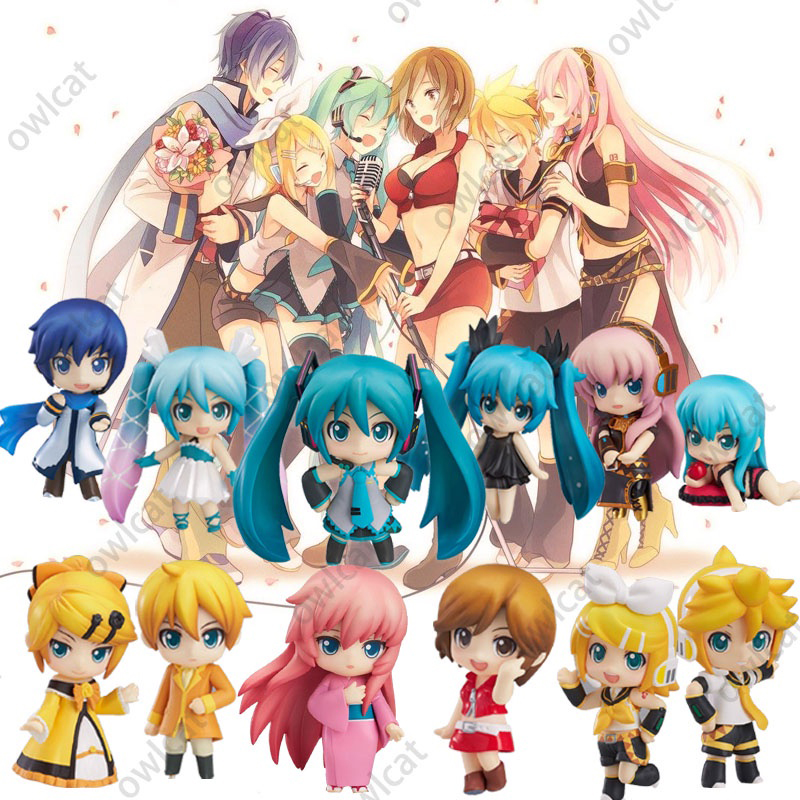
Our manufacturing capabilities cover the entire development process, from concept support and 3D modeling to prototyping, mold making, mass production, painting, assembly, quality inspection, and packaging. This integrated approach allows brands to work with one experienced manufacturing partner throughout the project.
We can support different scale requirements, materials, decoration techniques, packaging formats, and production quantities according to each project’s specifications. Whether you have finished 3D files, character artwork, or only an initial concept, our team can help develop the design into a production-ready collectible.
Weijun Toys provides professional OEM and ODM manufacturing support for brands looking to develop custom scale figures and other collectible toys, helping transform creative concepts into market-ready products with reliable production capabilities and quality control.
 2 Modern Factories 30 Years of Toy Manufacturing Expertise 200+ Cutting-Edge Machines Plus 3 Well-Equipped Testing Laboratories 560+ Skilled Workers, Engineers, Designers, and Marketing Professionals One-Stop Customization Solutions Quality Assurance: Able to Pass EN71-1,-2,-3 and More Tests Competitive Prices and On-Time Delivery










