
Chibi figures have become a recognizable style in the anime, manga, gaming, and collectible toy markets. With oversized heads, simplified bodies, expressive facial features, and an intentionally cute appearance, chibi characters transform familiar characters into compact and highly collectible figures. Their distinctive proportions make them particularly suitable for anime merchandise, blind box collections, desk decorations, promotional products, and character-based retail products.
What Is the Meaning of Chibi
The term “chibi” is commonly used in Japanese popular culture to describe a character drawn or represented in a small, cute, and highly stylized form. Although the word can have different contextual meanings in Japanese, in anime, manga, and character merchandise, it is widely associated with exaggeratedly cute proportions, particularly a large head and a small body.
Chibi should not be considered a specific material or manufacturing method. It is primarily a character art and design style. A chibi character can be represented through illustrations, digital artwork, plush toys, keychains, PVC figures, vinyl collectibles, resin figures, and other forms of merchandise.
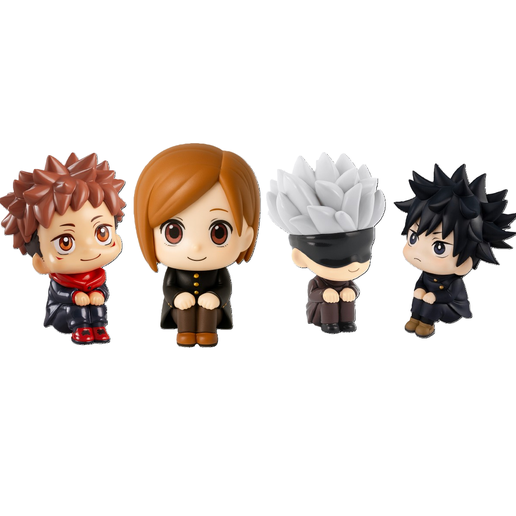
In the collectible figure industry, chibi figures typically retain the most recognizable elements of the original character while simplifying or exaggerating other features. Hairstyles, costumes, facial expressions, weapons, accessories, and color schemes can be adapted into a compact three-dimensional format. This balance between character recognition and visual simplification is one of the reasons chibi figures work so well as merchandise.
What Materials Are Used to Make Chibi Figures
The material used for a chibi figure depends largely on the intended application, production quantity, design complexity, desired finish, and budget. For handmade or one-off figures, artists may work with polymer clay, air-dry clay, or resin clay. These materials are relatively flexible for sculpting and are commonly used to create prototypes, artistic pieces, or small-batch handmade figures.
For mass-produced commercial chibi figures, however, manufacturers more commonly use materials such as PVC and ABS plastics, while vinyl and resin may also be suitable for particular product concepts. The choice between these materials should be made according to the figure’s design and manufacturing requirements rather than simply based on material popularity.
PVC is widely used for commercial collectible figures because it provides a good balance of durability, detail reproduction, flexibility, and manufacturing efficiency. It can reproduce rounded chibi forms, facial details, costumes, and accessories while supporting different painting and surface-finishing techniques. PVC is therefore particularly suitable for character figures produced in medium or large quantities.
ABS is another common material in figure manufacturing. It is generally harder and more rigid than PVC, making it useful for structural components, bases, accessories, weapons, stands, and other parts where additional rigidity is desirable. In some commercial figures, PVC and ABS can be used together to take advantage of the characteristics of both materials.
How to Customize Chibi Figures for Commercial Use
Customizing chibi figures for commercial use starts with a clear understanding of the character and the purpose of the product. Whether the figure is intended for anime merchandise, a gaming franchise, a promotional campaign, a retail collection, or a blind box series, the design needs to balance visual appeal, character recognition, manufacturability, and commercial cost.
The first stage is character development. Brands can provide existing character artwork, concept sketches, turnaround drawings, or other design references. A professional figure manufacturer can then adapt the character into a three-dimensional chibi form while maintaining its most recognizable visual characteristics.
Proportion is particularly important in chibi figure customization. The head-to-body ratio, size of the eyes, length of the limbs, shape of the hands and feet, and overall silhouette all contribute to the chibi aesthetic. Once the basic character structure has been established, brands can customize facial expressions and poses. A smiling, surprised, sleepy, angry, or playful expression can give the same character a completely different personality.
Costumes and accessories provide another major customization opportunity. Chibi figures can feature character-specific clothing, hats, bags, weapons, props, instruments, food items, or other accessories. These details can reinforce the character’s identity while also creating visual variety across a collection.
Color customization is equally important. Character colors should be defined clearly during the development stage, particularly when the figure represents an established brand or IP. Manufacturers can use approved color references to maintain consistency between the original artwork, prototype, and mass-produced figures.
Surface finishing can further enhance the appearance of a chibi figure. Depending on the design, manufacturers may use spray painting, pad printing, special coatings, matte finishes, glossy finishes, metallic effects, pearlescent effects, or other techniques. Small details such as facial features, logos, patterns, and costume decorations may require precise printing or painting processes.
Packaging should also be incorporated into the customization process rather than being considered only after production is complete. Commercial chibi figures can be packaged in blind boxes, window boxes, display boxes, blister packaging, bags, or customized gift packaging. Packaging can include character artwork, branding, product information, collection numbers, and other marketing elements that enhance the retail presentation.
It is also important to address intellectual property rights during customization. If the figure is based on an existing anime, manga, game, or entertainment character, the business must have the appropriate licensing or authorization to manufacture and sell the product. For original characters, brands can work with an OEM/ODM manufacturer to develop exclusive designs and merchandise according to their own specifications.
For commercial projects, prototype development is a critical stage. The manufacturer typically converts the approved concept into a 3D model and creates a physical prototype for evaluation. Brands can then review the figure’s proportions, details, colors, accessories, surface treatment, and overall appearance before approving mass production. After the final sample is approved, the manufacturer can proceed with tooling and bulk production. Professional production may involve injection molding, painting, pad printing, assembly, and final inspection.
Why Are Chibi Figures Popular for Anime Merchandise
Chibi figures have become particularly popular in anime merchandise because they combine recognizable character identities with a highly appealing collectible aesthetic.
One major advantage is character recognition. Even when a character is simplified, important visual elements such as hairstyle, costume, color scheme, facial expression, and accessories can remain recognizable. This allows fans to identify their favorite characters immediately while enjoying a new interpretation of the original design.
The style is also versatile across different age groups and consumer segments. While anime fans may purchase chibi figures as character merchandise, collectors may appreciate them as display pieces, and casual consumers may simply be attracted to their cute appearance. For anime and entertainment brands, chibi figures can therefore serve both as standalone collectibles and as part of a broader merchandising strategy.
From a business perspective, chibi figures can also provide opportunities for product-line expansion. A successful character can be adapted into PVC figures, vinyl collectibles, plush toys, keychains, blind boxes, capsule toys, and other merchandise categories. A consistent chibi design language can help maintain a unified visual identity across an entire collection.
How to Choose a Reliable Chibi Figure Manufacturer
Choosing the right chibi figure manufacturer is one of the most important decisions for brands planning a commercial figure project. The manufacturer needs to understand not only plastic toy production but also character development, figure proportions, painting, assembly, packaging, quality control, and international compliance.
Manufacturing experience should be one of the first factors to evaluate. A supplier with extensive experience in PVC figures, vinyl toys, anime merchandise, and collectible products is more likely to understand the technical challenges involved in converting stylized character artwork into manufacturable products.
OEM and ODM capabilities are equally important. A capable manufacturer should be able to work from existing artwork while also providing professional development support when a brand needs assistance with character adaptation, 3D modeling, prototyping, materials, or production methods.
Production capacity is another consideration, particularly for commercial projects involving large quantities. A manufacturer should have appropriate molding equipment, painting and printing capabilities, assembly facilities, skilled workers, and quality control systems to maintain consistent output.
Quality control should cover the entire manufacturing process rather than relying only on final inspection. Material inspection, mold accuracy, color matching, painting, printing, assembly, packaging, and final product inspection all contribute to the consistency of the finished figures.
Brands should also confirm the manufacturer’s experience with international safety requirements and testing documentation relevant to their target market. Clear communication regarding specifications, MOQ, sampling, lead time, packaging, and shipping is equally important when developing products for international distribution.
Finally, requesting a prototype before committing to mass production is essential. A physical sample allows the brand to evaluate whether the manufacturer can accurately reproduce the character and meet the expected quality level.
Weijun Toys: Your Custom Anime Chibi Figure Manufacturer
With 30+ years of toy manufacturing experience, Weijun Toys provides professional OEM and ODM services for brands looking to develop custom chibi figures, anime merchandise, collectible figures, and other character-based products.
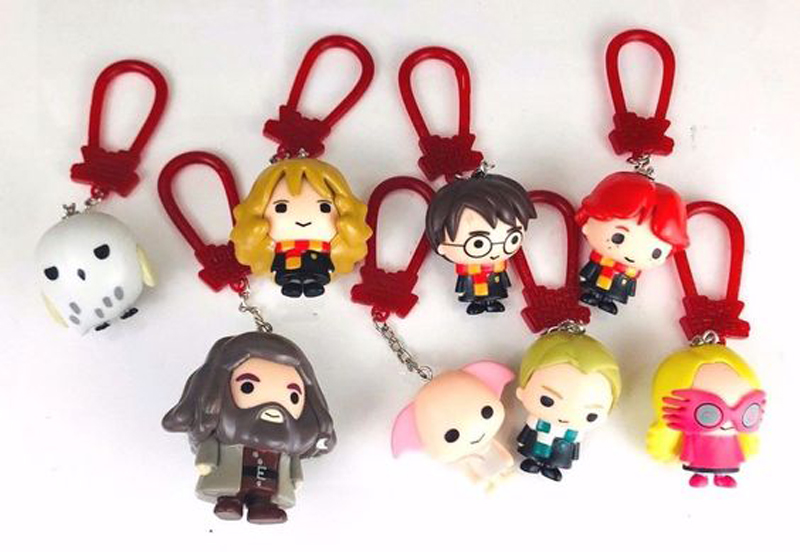
Our capabilities cover the complete product development process, from concept development and 3D modeling to prototype sampling, mold development, mass production, painting, printing, assembly, quality inspection, and custom packaging. We work with materials including PVC, ABS, vinyl, and resin to develop products according to different design requirements and commercial applications.
Weijun Toys supports flexible customization of character designs, sizes, colors, expressions, costumes, accessories, surface finishes, packaging, and branding. Whether you are developing an original anime-style character, expanding an existing licensed merchandise line, or creating a customized collectible series, our team can help transform your concepts into production-ready products.
For brands and retailers, working with a full-service manufacturer can simplify the transition from creative concept to finished merchandise. Weijun Toys provides integrated support throughout product development and manufacturing, helping customers manage design requirements, production feasibility, quality control, packaging, and bulk orders more efficiently.
 2 Modern Factories 30 Years of Toy Manufacturing Expertise 200+ Cutting-Edge Machines Plus 3 Well-Equipped Testing Laboratories 560+ Skilled Workers, Engineers, Designers, and Marketing Professionals One-Stop Customization Solutions Quality Assurance: Able to Pass EN71-1,-2,-3 and More Tests Competitive Prices and On-Time Delivery










