
Blind bag toys combine the excitement of surprise with the appeal of character-based collecting. Unlike traditional toys that allow consumers to see the exact product before purchasing, a blind bag contains a mystery figure or collectible hidden inside an opaque package. Buyers know the general series or theme but usually do not know which specific design they will receive until the bag is opened.
This simple concept creates an engaging unboxing experience while giving brands and retailers an effective way to build collectible product lines. Blind bags can contain PVC figures, ABS toys, vinyl collectibles, resin figures, plush toys, vinyl plush characters, keychains, and other small products. They are commonly sold through toy stores, gift shops, specialty retailers, vending machines, online stores, and promotional channels.
What Is a Blind Bag Toy
A blind bag toy is a collectible or small toy packaged in an opaque or non-transparent bag so that the buyer cannot see the specific product inside before opening it. Some collections may also include rare or special designs, often referred to as chase figures, rare figures, or limited editions.
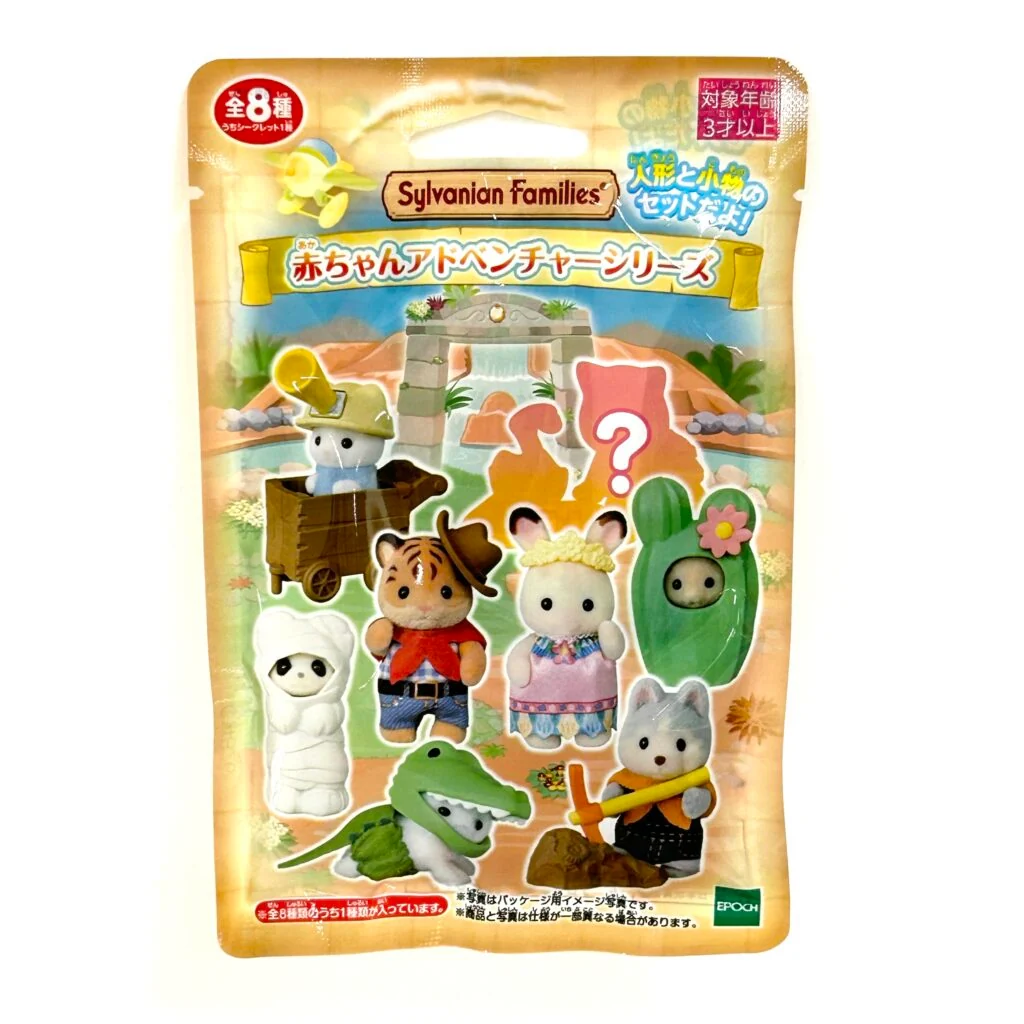
Blind bags are particularly suitable for small collectibles because the packaging is lightweight, compact, and relatively easy to display and transport. A manufacturer can develop a series with multiple designs and package each figure separately, creating a consistent retail presentation while preserving the mystery element.
The product inside a blind bag does not have to be a traditional figure. Depending on the brand and target market, it may be a PVC character, vinyl collectible, plush toy, keychain, miniature accessory, or other small product. This flexibility allows businesses to use the blind bag format across different toy and collectible categories.
Blind Bag vs. Blind Box: What’s the Difference
Blind bags and blind boxes use a similar mystery-based product concept, but their packaging formats are different. A blind bag normally uses an opaque flexible bag or pouch, while a blind box uses a small cardboard or paperboard box that conceals the product inside.
The most obvious difference is therefore the physical packaging. Blind bags are generally lighter, more flexible, and easier to produce and transport. Blind boxes provide a more rigid package that can offer additional space for artwork, storytelling, collection information, and retail presentation.
The two formats can also create slightly different consumer experiences. Blind bags often have a simple, lightweight, and accessible appearance, making them suitable for small collectibles, impulse purchases, capsule-toy-style products, party favors, and promotional merchandise. Blind boxes tend to provide a more structured unboxing experience and are widely associated with designer collectibles and character-based collectible series.
Why Are Blind Bag Toys So Popular
The biggest appeal of blind bag toys is the element of surprise. Traditional products show consumers exactly what they are buying, while a blind bag creates anticipation because the specific design remains unknown. Opening the package becomes part of the product experience rather than simply a step before using the toy.
Collectibility is another important factor. A blind bag series may contain several related characters, color variations, costumes, poses, or accessories. Consumers who enjoy a particular collection may want to discover more designs or complete the entire series. This makes a single character concept scalable into a broader product line.
The relatively small size and accessible price point of many blind bag products also make them suitable for impulse purchases. They can be displayed near checkout counters, in gift shops, toy stores, vending machines, or online product collections. Their compact packaging can also help retailers manage shelf and storage space efficiently.
Blind bags have also benefited from the popularity of unboxing content and social sharing. Consumers can photograph or record the opening experience and share the result with friends or online communities. Discovering a rare or particularly desirable figure can make the experience even more engaging.
How to Customize Blind Bag Toys
Creating custom blind bag toys usually begins with a clear product concept. Before contacting a manufacturer, businesses should determine the target audience, product theme, number of designs, approximate size, expected order quantity, target price, and intended sales channels.
Develop the Character and Product Concept
The first step is to establish the visual direction of the collection. Brands can provide original character artwork, sketches, 3D files, reference images, or simply a creative concept for the manufacturer to develop. A professional OEM/ODM manufacturer can help transform these ideas into production-ready figures.
For a collectible series, the individual designs should share a consistent visual language while still being distinctive enough to encourage collecting. Businesses may develop several regular designs together with special, rare, chase, or limited-edition versions.
Select the Size, Material, and Production Method
The product’s size and material should be considered together. Small PVC figures, for example, are suitable for compact blind bags and can reproduce detailed character features efficiently in mass production. Vinyl can be suitable for lightweight, hollow collectible figures, while plush or vinyl plush can provide a softer and more tactile product experience.
The production method also depends on the selected material and design. Injection molding is commonly used for PVC and ABS products, while roto-casting can be used for certain hollow vinyl figures. More specialized products may require resin casting or plush manufacturing processes.
Create the Prototype and Approve Sample
Once the concept and specifications are confirmed, the manufacturer develops a 3D model and prototype. This stage allows both the manufacturer and buyer to evaluate the character’s proportions, dimensions, details, pose, and overall appearance before mass production.
For blind bag products, the prototype stage is especially important when several designs form one collection. The manufacturer needs to ensure that the figures have consistent dimensions and quality while preserving the individual characteristics of each design.
Develop the Mold and Begin Production
After the sample is approved, production tooling can be developed. For injection-molded PVC or ABS figures, steel molds are commonly used for high-volume production because of their durability and dimensional stability.
Once the molds are ready, the manufacturer produces the molded components, removes excess material, and prepares them for finishing. Depending on the design, figures may undergo spray painting, pad printing, manual detailing, flocking, or other surface treatments.
Assemble, Inspect, and Package the Figures
If a figure contains multiple components, the parts are assembled after molding and finishing. The manufacturer checks component alignment, paint application, printing, surface quality, and overall appearance against the approved sample.
The final figures are then placed into blind bags. Packaging can be customized with brand logos, collection artwork, character themes, product information, barcodes, warnings, and other required markings. The bag design should create a strong visual identity while keeping the individual product hidden.
Common Materials for Blind Bag Figures
The material selected for a blind bag figure affects its appearance, durability, weight, production method, cost, and level of detail. Different materials are therefore suitable for different product concepts and market positions.
PVC
PVC is one of the most widely used materials for blind bag figures. It offers a good balance of durability, detail reproduction, production efficiency, and cost. PVC can be molded into small and relatively complex shapes, making it suitable for character figures, animals, food-themed collectibles, miniature toys, and promotional products.
PVC is also compatible with various finishing techniques, including spray painting, pad printing, and flocking. This allows manufacturers to create colorful and highly detailed collectible designs while maintaining consistent quality during large-scale production.
ABS
ABS is a relatively rigid plastic that provides good strength and dimensional stability. Compared with flexible PVC, ABS has a harder feel and can be useful for structural components, accessories, bases, or products where rigidity is important. For some blind bag designs, ABS may be used either as the primary material or together with other materials.
Vinyl
Vinyl figures are commonly associated with flexible PVC-based materials and collectible toy production. In many applications, vinyl figures are produced using roto-casting, a rotational casting process that forms a lightweight, hollow figure by distributing heated vinyl material along the inside of a mold. This construction is particularly suitable for stylized characters and collectible designs with rounded or relatively large forms. Vinyl can also provide a distinctive tactile quality that differentiates these products from conventional solid plastic figures.
Resin
Resin is often selected for highly detailed collectible figures, prototypes, art toys, and smaller production runs. It can reproduce intricate sculpting details and fine surface features, making it attractive for premium or specialty collectibles. However, resin production may be less suitable for very large-volume, cost-sensitive blind bag collections than high-efficiency plastic molding.
Vinyl Plush
Vinyl plush combines soft textile components with molded vinyl elements, creating a hybrid product with both a soft and structured feel. This format has become particularly attractive for character-based collectibles because it allows brands to combine plush bodies with vinyl faces, heads, accessories, or other molded components.
For blind bag products, vinyl plush can create a more distinctive tactile experience than traditional hard figures. When developing vinyl plush blind bag toys, businesses should pay close attention to the relationship between the plush and vinyl components.
Why Choose Weijun Toys for Custom Blind Bag Toys
Weijun Toys is a professional toy manufacturer with 30+ years of toy manufacturing experience, providing OEM and ODM services for brands, retailers, wholesalers, promotional companies, and other businesses worldwide. Our product capabilities include PVC figures, vinyl toys, vinyl plush toys, plush toys, ABS plastic toys, action figures, blind box collectibles, keychains, capsule toys, and customized promotional products.
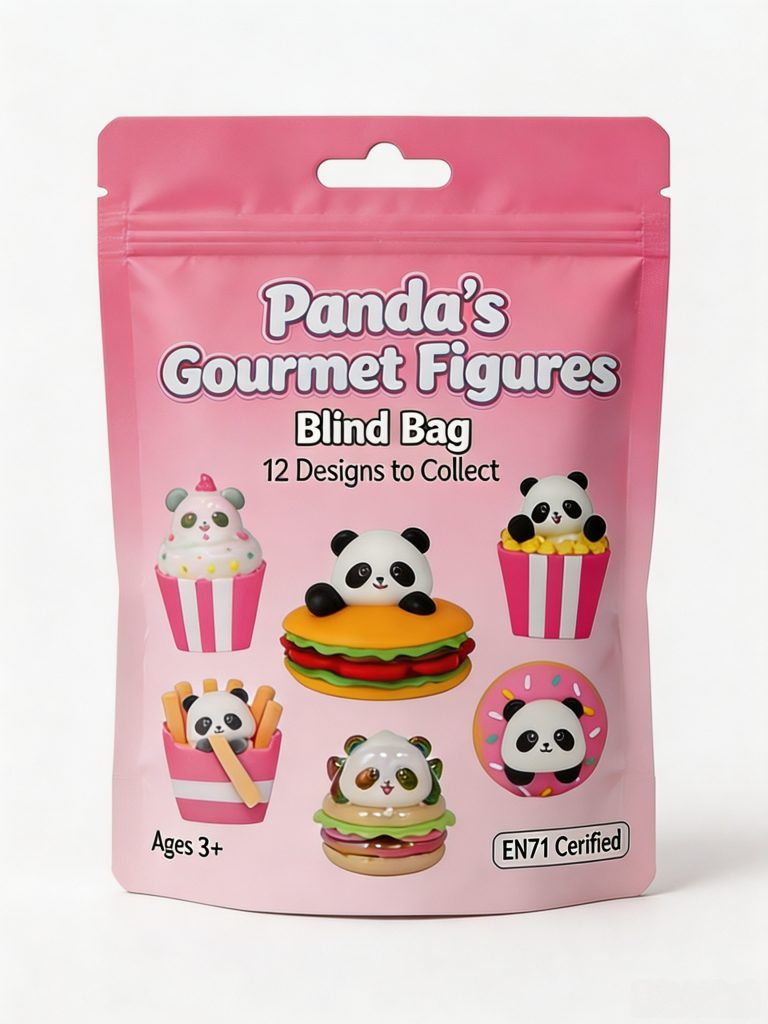
For custom blind bag projects, Weijun Toys can support the complete development process, from concept and 3D modeling to prototyping, mold making, mass production, painting, pad printing, flocking, assembly, quality inspection, packaging, and delivery. This integrated approach allows customers to manage different stages of their project through one experienced manufacturing partner.
Weijun Toys also provides flexible customization for blind bag collections, including character design, figure size, colors, poses, surface finishes, rarity concepts, packaging, and branding. Whether you are developing a small PVC animal collection, a character-based vinyl series, or a soft vinyl plush blind bag, our team can help turn your concept into a production-ready product.
Quality and safety are also important parts of the manufacturing process. Depending on the product and target market, applicable requirements may include EN71, ASTM F963, CPSIA, CE, and REACH. Our testing facilities and quality control processes help ensure that products are evaluated according to the relevant requirements before shipment.
 2 Modern Factories 30 Years of Toy Manufacturing Expertise 200+ Cutting-Edge Machines Plus 3 Well-Equipped Testing Laboratories 560+ Skilled Workers, Engineers, Designers, and Marketing Professionals One-Stop Customization Solutions Quality Assurance: Able to Pass EN71-1,-2,-3 and More Tests Competitive Prices and On-Time Delivery










