
The global toy industry has undergone a notable transition toward sensory-focused products that combine entertainment with emotional benefits. Within this segment, squishy toys, especially well-known brands such as NeeDoh, have seen rapid adoption across various age demographics and retail channels.
What began as a simple stress-relief concept has evolved into a mainstream consumer trend, fueled by social media exposure, collectible culture, and increasing demand for tactile experiences. For manufacturers, distributors, and brand owners, understanding this phenomenon is essential for capturing emerging opportunities in a highly competitive market.
What Are Squishy Toys
Squishy toys are soft, squeezable products typically made from flexible materials such as polyurethane foam, silicone, or gel-filled compounds. Designed to deform under pressure and slowly return to their original shape, these toys provide a satisfying tactile experience that appeals to both children and adults.
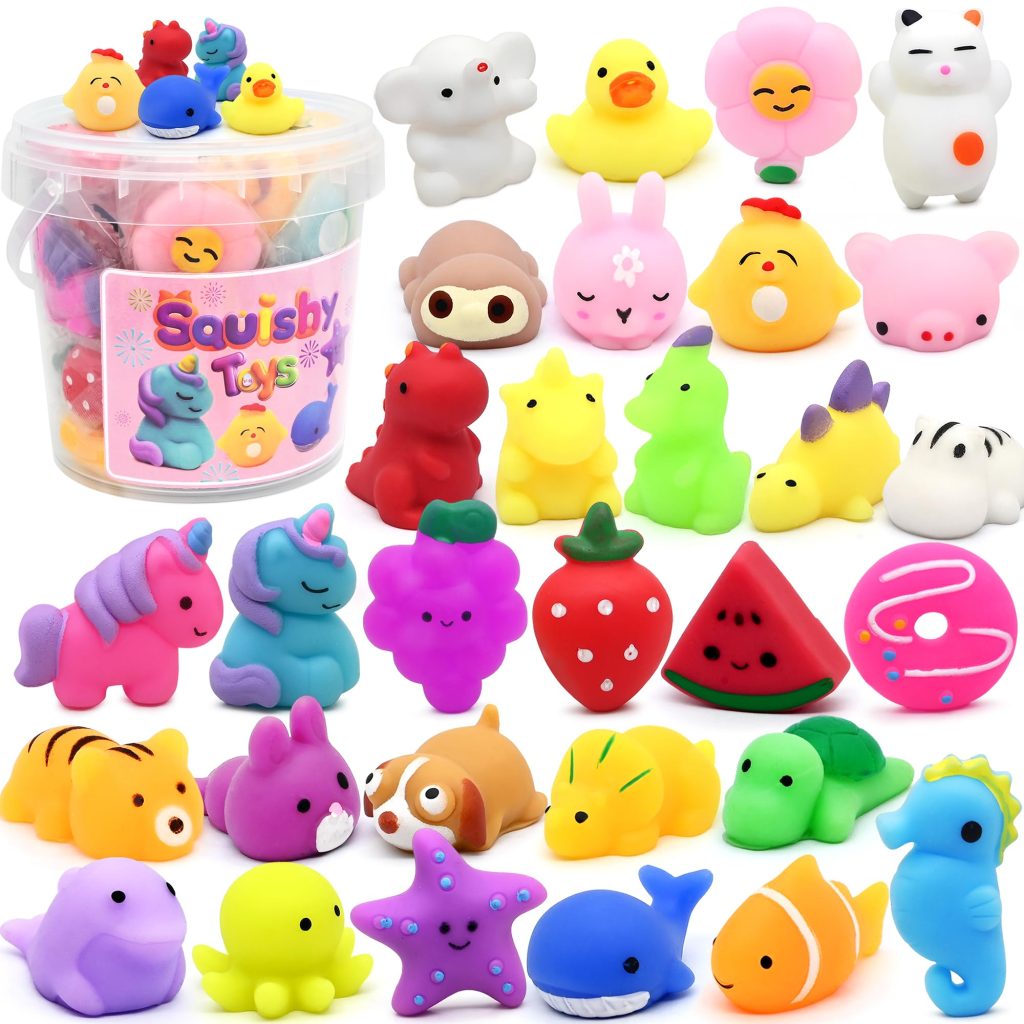
Their core appeal lies in sensory stimulation. The act of squeezing, stretching, or pressing these toys activates tactile feedback that can help reduce stress, improve focus, and provide a calming effect. This makes them particularly popular among students, office workers, and individuals seeking anxiety relief. In addition, their compact size and relatively low price point make them ideal for impulse purchases and mass distribution.
Understanding the Squishy Toy Trend
The rise of squishy toys is closely tied to broader consumer trends emphasizing wellness, sensory engagement, and emotional comfort. In an increasingly fast-paced and digitally saturated world, consumers are gravitating toward products that offer simple, physical interaction. Squishy toys fulfill this need by providing an accessible form of stress management without requiring screens or complex instructions.
Social media platforms have played a crucial role in accelerating this trend. Short-form videos showcasing the satisfying textures, vibrant colors, and slow-rebound effects of squishy toys have generated millions of views, turning these products into viral sensations. Influencers and content creators often feature unboxing experiences, texture demonstrations, and collection showcases, further amplifying consumer interest.
Additionally, the trend benefits from its cross-generational appeal. While children enjoy the playful designs and bright aesthetics, adults are drawn to the therapeutic and nostalgic aspects. This dual-market demand has significantly expanded the consumer base, making squishy toys a versatile product category for retailers.
NeeDoh Squishy Toy: A Blend of Soft and Stress-Relief
NeeDoh squishy toys have emerged as a standout product within this category, largely due to their unique material composition and consistent user experience. Unlike traditional foam-based squishies, NeeDoh products often feature a gel-like filling encased in a durable outer layer, creating a smooth, dough-like texture that enhances the tactile sensation. This distinctive feel sets them apart in a crowded market and contributes to strong brand recognition.
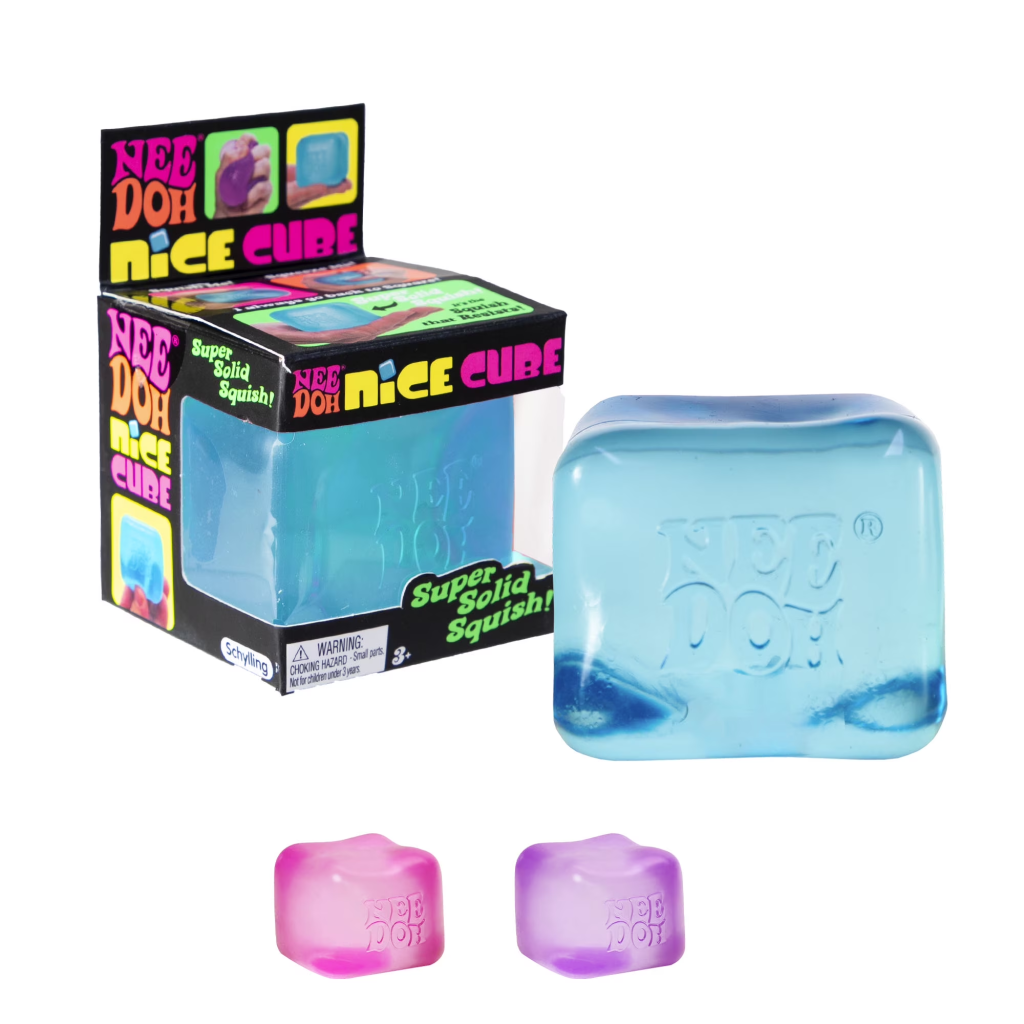
From a product development perspective, NeeDoh toys represent a successful balance between simplicity and innovation. Their minimalist design focuses on texture and functionality rather than overly complex features, allowing for cost-effective production while maintaining high consumer satisfaction. At the same time, variations in color, size, and firmness provide enough diversity to keep the product line fresh and engaging.
The brand’s success also highlights the importance of consistency in quality. Consumers expect a reliable tactile experience, and any variation in material performance can significantly impact brand perception. For manufacturers, this underscores the need for precise material formulation, strict quality control, and thorough testing during production.
What Drives the NeeDoh Hunting Craze
One of the most notable developments in the squishy toy market is the rise of “NeeDoh hunting,” a viral trend driven by social media, where consumers actively search for popular and often sold out NeeDoh squishy fidget toys.
Originating on platforms like TikTok, this behavior involves enthusiasts visiting multiple retail locations, including specialty toy stores, gift shops, and major chains such as Target and Walmart, in pursuit of specific variants like color-changing, tie-dye, or mini-sized versions.
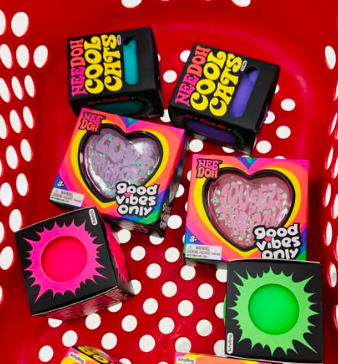
NeeDoh hunting is fueled by several key factors. First, the introduction of product variations creates a sense of exclusivity and encourages repeat purchases. Consumers are motivated to complete collections or obtain unique items, transforming a simple toy into a collectible asset. Second, social media communities play a significant role in sharing discoveries, showcasing rare finds, and building excitement around new releases. This peer-driven engagement amplifies demand and reinforces the perception of value.
Retail strategies also contribute to the craze. Limited stock availability, seasonal launches, and strategic product placement can create a sense of urgency that encourages immediate purchase decisions. For businesses, this highlights the potential of combining product design with marketing tactics to drive sustained consumer interest and higher sales volumes.
Materials and Manufacturing Behind Squishy Toys
The production of squishy toys involves careful selection of materials and manufacturing techniques to achieve the desired texture, durability, and safety standards.
Common materials include thermoplastic rubber (TPR) for elasticity, and gel or liquid fillings for enhanced tactile experiences. Each material offers different characteristics in terms of softness, resilience, and cost, allowing manufacturers to tailor products to specific market segments.
Manufacturing processes typically involve molding, filling, sealing, and surface finishing. For gel-filled products like NeeDoh, ensuring leak-proof construction is critical. This requires precise sealing technology and rigorous quality testing to prevent defects. Additionally, compliance with international safety standards such as ASTM, EN71, and CPSIA is essential, particularly for products intended for children.
Why Squishy Toys Appeal to Both Kids and Adults
The broad appeal of squishy toys can be attributed to their ability to meet both emotional and functional needs across different age groups.
For children, these toys offer sensory play that supports fine motor skills development and imaginative interaction. Bright colors, fun shapes, and playful designs enhance their attractiveness and encourage engagement.
For adults, the appeal is more closely linked to stress relief and mindfulness. The repetitive motion of squeezing a squishy toy can have a calming effect, helping to reduce anxiety and improve concentration. This makes them popular as desk accessories, travel companions, and even therapeutic tools in certain settings.
The universality of tactile satisfaction bridges the gap between these demographics. Unlike many toy categories that target a specific age group, squishy toys successfully tap into a shared human response to touch, making them a unique and versatile product in the market.
Retail Opportunities and Market Demand for Squishy Toys
From a business perspective, the squishy toy market presents significant opportunities across multiple retail channels. Their low production cost and high perceived value allow for attractive profit margins, while their compact size reduces shipping and storage expenses. This makes them ideal for both physical retail stores and e-commerce platforms.
Impulse buying behavior further enhances their commercial potential. Squishy toys are often placed near checkout counters or featured in online promotions, encouraging spontaneous purchases. Additionally, their compatibility with themed collections and seasonal campaigns enables retailers to continuously refresh their offerings and maintain consumer interest.
The growing demand for stress-relief products also opens opportunities beyond traditional toy markets. This diversification expands the potential customer base and increases overall market resilience.
How Brands Can Capitalize on the Squishy Toy Trend
To successfully capitalize on this trend, brands need to adopt a strategic approach that combines product innovation, branding, and marketing. Developing unique textures, introducing limited-edition series, and incorporating licensed designs can help differentiate products in a competitive landscape. At the same time, maintaining consistent quality is essential for building long-term consumer trust.
Brand storytelling also plays a crucial role. Communicating the benefits of stress relief, sensory engagement, and emotional comfort can enhance product appeal and justify premium pricing. Leveraging social media platforms for content marketing, influencer collaborations, and user-generated content can further amplify brand visibility and drive engagement.
From an operational standpoint, partnering with experienced manufacturers ensures efficient production and compliance with safety standards. Flexibility in customization and scalability is particularly important for responding to market trends and launching new products.
Key Takeaways
The rapid rise of squishy toys like NeeDoh reflects a broader shift in consumer preferences toward products that offer both emotional value and physical interaction. Driven by social media, collectible culture, and increasing awareness of mental well-being, this category has evolved into a significant segment within the global toy market.
For businesses, the opportunity lies not only in meeting current demand but also in anticipating future trends and continuously innovating. By combining high-quality manufacturing, strategic marketing, and a deep understanding of consumer behavior, brands can successfully position themselves in this dynamic and fast-growing market.
Weijun Toys: Your Trusted OEM & ODM Toy Manufacturer
Weijun Toys brings extensive experience working with globally recognized brands such as Mattel, Disney, Harry Potter, Hello Kitty and Barbie. We offer both OEM and ODM services, combining high-quality manufacturing with strong in-house design capabilities.
Through our OEM services, we manufacture toys based on your exact designs and specifications, ensuring consistent quality, strong brand alignment, and reliable delivery. For ODM projects, our experienced design and engineering teams develop innovative, market-driven toy concepts, offering flexible customization in design, size, materials, colors, and packaging.
 2 Modern Factories 30 Years of Toy Manufacturing Expertise 200+ Cutting-Edge Machines Plus 3 Well-Equipped Testing Laboratories 560+ Skilled Workers, Engineers, Designers, and Marketing Professionals One-Stop Customization Solutions Quality Assurance: Able to Pass EN71-1,-2,-3 and More Tests Competitive Prices and On-Time Delivery










